

 0
0Men's Hair Systems Explained: The Complete Guide
When you start researching hair replacement solutions, you will quickly find that the terminology is very confusing. Hair system, toupee, wig, hairpiece – they are related, but not identical. To clear things up, here's a simple breakdown of what each one means and how they differ.
What is a hair system?
If you say "hair system" to most people, you will probably see puzzled faces. You won't find a tidy definition for the term "hair system" in most dictionaries. Even among native English speakers, it's less familiar than wig or toupee. But in the hair replacement industry, it's a well-defined term that has a specific meaning.
So what is a hair system? A hair system is simply a non-surgical way to replace the hair you've lost. It's made of a thin base that sits against the scalp, with real hair attached to it, so the final result looks like it's growing naturally. You put it on, blend it in, and it gives immediate coverage without medical procedures
How does a Hair System work?
A hair system starts with a base. This is the part that rests against your scalp. The base is thin and flexible, and individual human hair strands are either knotted or injected into it to create the look of natural hair growth. The type of base you choose affects how the system feels, how it looks, and how long it lasts.
Here's a quick look at the most common base types and what they offer:
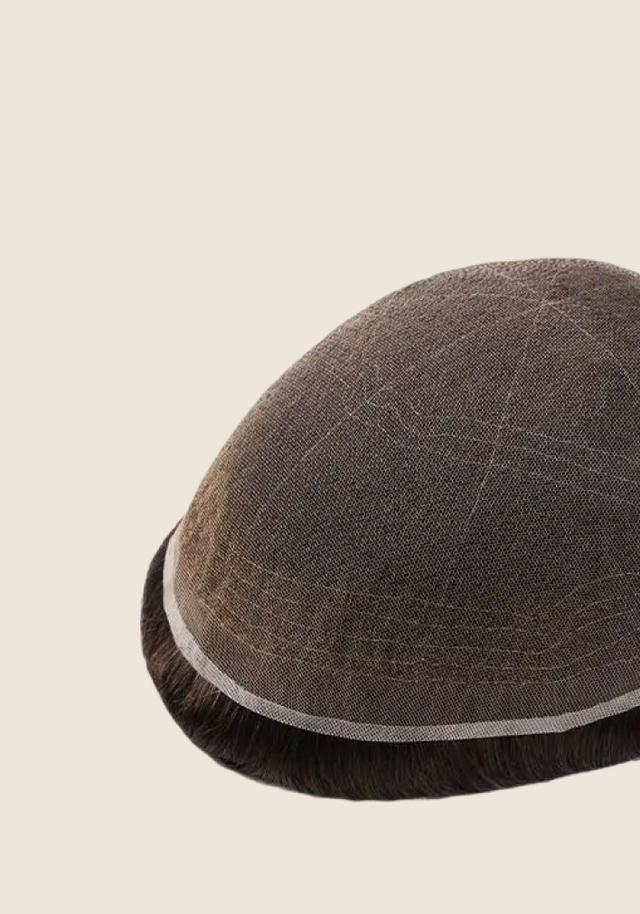
- Lace: Very light and breathable, almost like fine mesh. Lace bases disappear into the skin at the front, which makes the hairline look extremely natural.
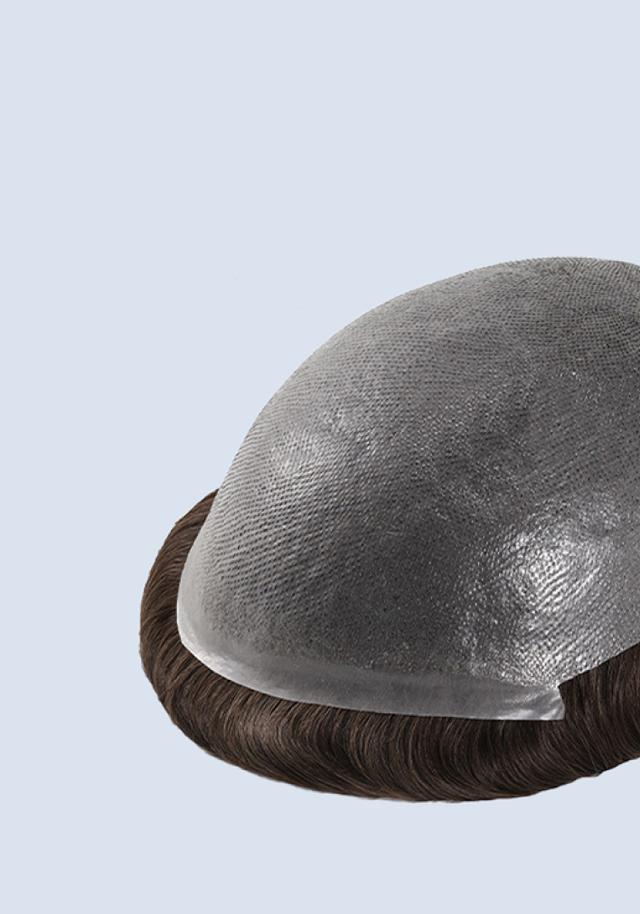
- Skin (polyurethane): Smooth and thin, almost like a second layer of skin. Thin skin base mimics the scalp, which gives a very natural look. It's also easier to apply and maintain than a lace base.
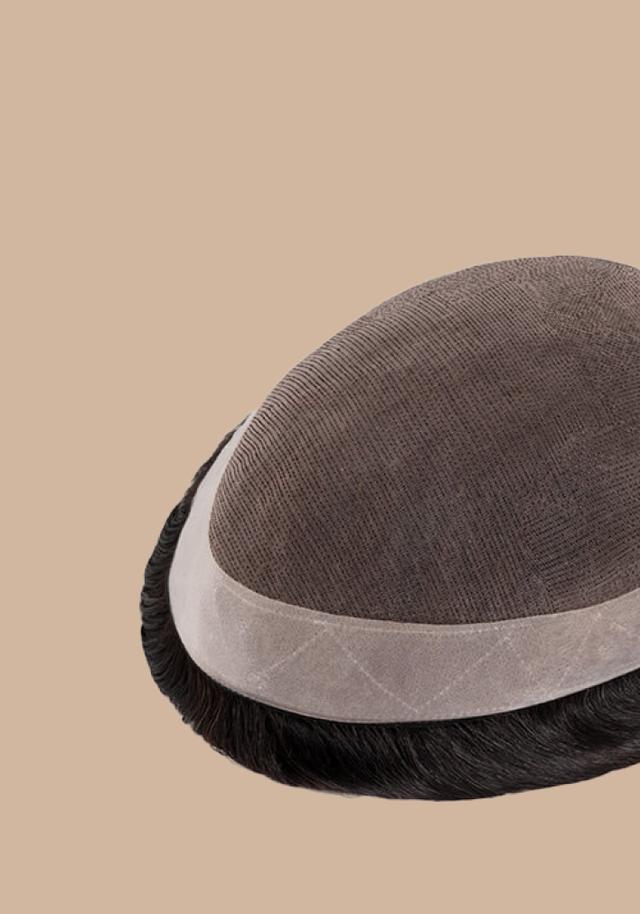
- Mono mesh: A sturdier, more durable mesh material. It's not as invisible as lace but holds up well for people who want something long-lasting.
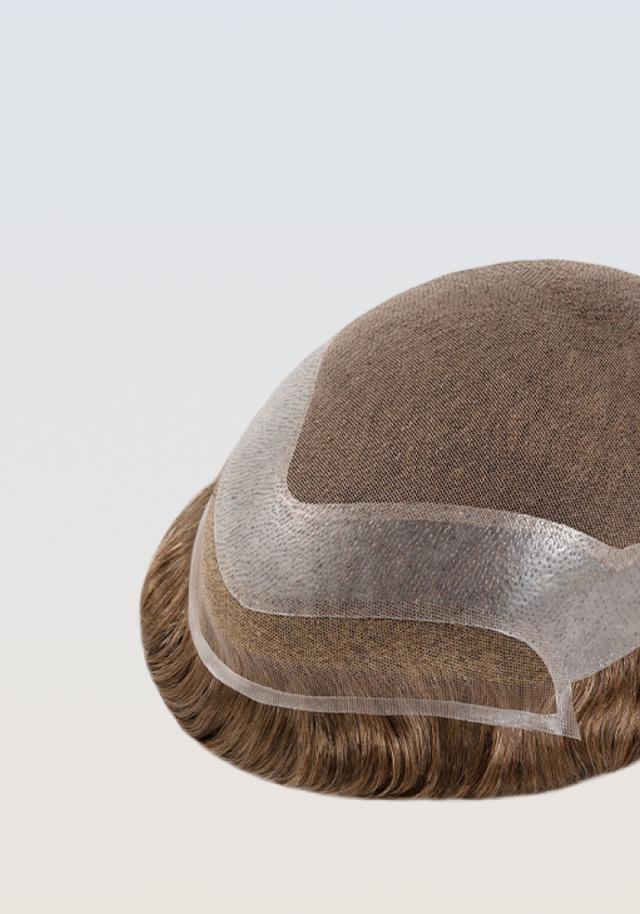
- Hybrid bases: A mix of lace, skin, or mono in different areas. These combine strengths, for example, lace in the front and top for a natural hairline and better breathability, and a thin skin perimeter for easy maintenance.
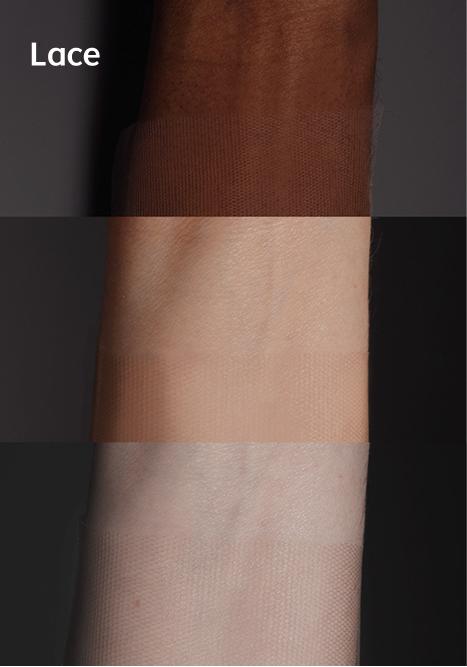
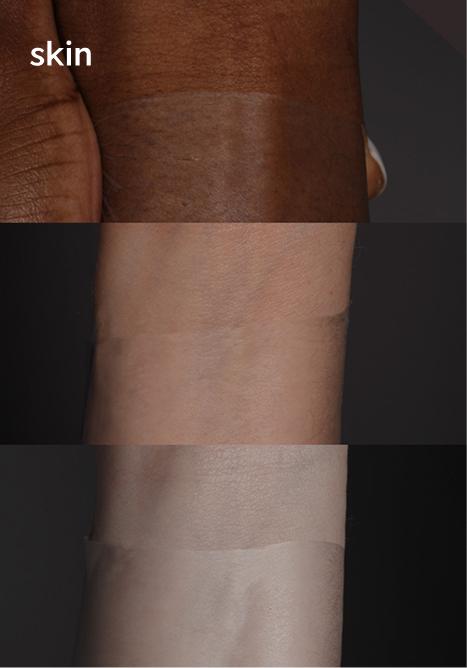
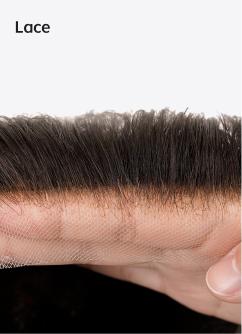
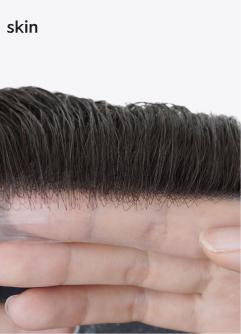
After the base, the hair is the next big piece of the puzzle. The type of hair, its color, and its texture all play a huge role in how natural everything looks once it's on your head. Because hair systems come in different densities, colors, and textures, you can match them to your natural hair.
Suppliers usually offer stock hair systems that can meet most people's needs. If you want the most natural look that is tailored to your specific requirements, a custom hair system can be a perfect match. With everything customized to fit your style, the final result feels like your own hair, and you can decide how you want it to look.
Now that you know what a hair system is and how it works, you may still feel confused by terms like toupee, wig, or hairpiece. These words get mixed up all the time, so it's worth taking a moment to explain the differences.
What is a toupee?
Most people have heard the word toupee, even if the image that pops into their mind is something their grandfather might have worn - thick, shiny, and not exactly subtle. Originally, a toupee was just a small piece of hair used to cover a thinning spot on the crown to the front hairline. Old-day toupees didn't always blend well, which is why the word sometimes gets an unfair reputation today.
Modern toupees look nothing like those older pieces. They are made with lightweight bases and natural human hair, so they sit flatter, move naturally, and are far harder to spot than the toupees people remember.
What is a wig?
When people hear the word wig, they usually think of something that covers the entire head. And that's exactly what a wig is: a full-cap piece of hair that covers all of your natural hair, not just a thinning area.
In the modern world, wigs are more commonly associated with women. They've become a big part of women's fashion and are also a go-to option for many dealing with thinning hair or medical hair loss.
In fact, men have been using wigs since ancient times. Historically, men used wigs for everything from covering bald spots to showing social rank. That hasn't changed completely. Today, a men's wig sits over the entire scalp, making it a practical option for anyone dealing with total hair loss or wanting a quick, low-effort way to change their look.
While wigs are still used by men, men who only have thinning in specific spots usually prefer hair systems because they blend with existing hair and look more like natural growth.
What is a hairpiece?
A hairpiece is a broad, catch-all term that covers any type of partial hair replacement. Hair pieces cover toupees, toppers, and even modern hair systems. Unlike a wig, a hairpiece is designed to cover hair loss in a specific area, whether at the front, the crown, or any other specific spot.
Because the word has been used for decades, people still use it today to describe all kinds of hair solutions, old and new. Some hairpieces from the past were thick or obvious, but modern men's hairpieces, especially today's hair systems, use lighter-weight bases and natural human hair, so they blend with your existing hair more invisibly.
So while "hairpiece" is still technically correct, most of the advanced versions you see today are better described as hair systems, simply because they look more natural and are built with updated materials and techniques.
Hair System vs Toupee vs Wig vs Hairpiece: Comparison Table
| Item | What is it? | Coverage Area | Typical Use | Modern Reputation & Notes |
|---|---|---|---|---|
| Hair System | A modern, non-surgical replacement made with a thin base and real human hair that blends naturally with existing hair. | Partial (front, crown, or top area) | Men with thinning or partial hair loss who want a realistic, blended look. | Most advanced and natural-looking option; sits flat, moves naturally, and provides instant coverage. |
| Toupee | Traditionally a small hairpiece used to cover thinning spots; older versions were bulky, but modern toupees use updated materials and techniques. | Partial (usually crown or front hairline) | Men with localized thinning or bald spots. | Older toupees had a bad reputation; modern ones look similar to hair systems and are much more natural. |
| Wig | A full-cap piece that covers the entire head, replacing all natural hair. Available in synthetic or human hair. | Full (entire scalp) | Commonly worn by women for fashion or hair loss; men use them mainly for total hair loss or a full style change. | Covers everything, doesn't require blending; easier but less personalized than a hair system for men with partial thinning. |
| Hairpiece | A broad term for any partial hair replacement, including toupees, toppers, and even hair systems. | Partial (front, crown, or any specific area) | General term used for many types of men's and women's hair additions. | An older umbrella word; modern versions that look most natural are typically referred to as hair systems. |
Do I Need a Hair System?
Hair loss presents itself differently in everyone. Some people notice hair thinning on the crown. Some people experience a hairline recession that eventually becomes difficult to overlook. You may begin noticing more hair appearing on the shower drain, or you may notice your hairstyle doesn't sit as well as it should. At some point, many people will come to the same question: "Do you need a hair system?"
A hair system is a non-surgical hair replacement for people who suffer from hair loss. It is a non-invasive method to restore your hair rather than changing the way your natural hair grows. It is one of many solutions available for hair loss.
Not everyone is a good candidate for a hair system. It depends on your lifestyle, comfort, and what you want to achieve from it. Below are some factors that will help you evaluate whether you should use a hair system, so you can make an informed decision.
Who Is a Hair System For?
Hair systems are usually opted for by those who require a surefire way to handle their continued hair loss. While they are not limited to one age group or one type of hair loss, they are best suited for individuals looking to achieve visible results without surgery.
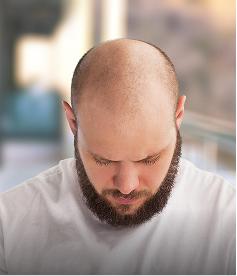
Genetic hair loss: Genetic hair loss is a common reason for many people who use hair systems. When thinning at the crown, a receding hairline, or gradual loss over time becomes difficult to manage with treatments, a hair system provides immediate coverage and can be adjusted as the hair loss changes.
Medical conditions: Hair systems are also a very practical solution for people suffering from medical conditions. Alopecia, thyroid conditions, and autoimmune diseases can result in patchy hair loss, or other sudden hair loss. In such cases, a hair system will provide a consistent look from day to day. People undergoing cancer treatment may also opt for hair systems as temporary or longer-term solutions during the period when their hair is affected.
Lifestyle and professional needs: Actors, performers, and all those whose profession is connected with their appearance very often choose hair systems because they allow control and flexibility. Some people just want to have an opportunity to change their hairstyle without making a permanent commitment.
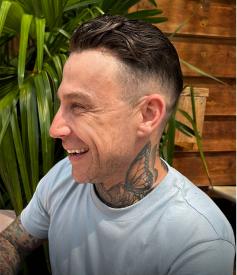
Cosmetic reasons: Hair systems will be for anyone who wants a better look and feels more confident. What matters most is finding a solution that fits your lifestyle, not just your hair loss.
 Genetic hair loss
 Medical conditions
 Lifestyle and professional needs
 Cosmetic reasons
What Results Can You Expect From a Hair System?
A hair system gives instant coverage. As a non-surgical hair replacement option, hair systems don't involve recovery or permanent changes. It allows a high degree of freedom, but also requires good care. Hair system maintenance, including regular cleaning, proper attachment, and daily upkeep are part of wearing a system long-term.
It isn't an easy compromise for everyone, but it can be worthwhile. A hair system will give you consistency and control so that you can better deal with your hair loss issues. Once you maintain it properly, it will seamlessly become a part of your life instead of something you have to stress about.
Hair Systems vs Other Non-Surgical Hair Loss Solutions
When people look for hair loss remedies, they may try multiple methods along the way. Non-surgical hair loss solutions have been favored by many people since they don't involve any invasive procedures or downtime.
While each of them can be effective for hair restoration, they don't work in the same way. Some methods relate to slowing down hair loss and promoting hair growth; some relate to changing appearance. Let's take a closer look at how these options compare.
Hair systems, as a non-surgical hair replacement method, directly replace missing hair and deliver immediate results. A hair system offers visible hair coverage once it is fitted, no matter what the cause of hair loss is, or what stage it is at.
Hair growth treatments, such as Minoxidil and Finasteride, aim at promoting existing hair. Minoxidil is a topical treatment applied to the scalp to help stimulate hair growth, while Finasteride is an oral medication that works by reducing the hormone linked to hair loss. Results vary, and both usually require long-term, consistent use to maintain any progress.
Low-level laser therapy (LLLT), is another non-invasive option people try. LLLT stimulates the scalp with the aid of light, and helps people with mild thinning. But it typically requires consistent use for months, and results can be mixed.
Hair loss solutions like hair fibers and scalp micropigmentation are more cosmetic. They create the look of hair but don't actually add volume. These hair loss solutions can be useful at an early stage, but they might not be an ideal solution if your level of hair loss is more advanced.
| Solution | How It Works | Pros | Cons | Best For |
|---|---|---|---|---|
| Hair System | A hair piece covers the hair loss area, attached to the scalp with glue or tape | - Instant, natural results- Fully customizable (style/color)- Works for any level of baldness | - Needs maintenance (cleaning, reattachment)- Replaced every 1–6 months, depending on materials and proper care | Men who want a natural-looking, full head of hair fast |
| Scalp Micropigmentation (SMP) | Tattoo dots mimic shaved hair | - Permanent (no daily upkeep)- No adhesives- Looks like a buzz cut | - Not actual hair (just an illusion)- Can fade over time | Men who like the shaved-head look |
| Hair Fibers | Powder of Keratin fibers sprinkled onto thinning hair to make it look thicker | - Cheap & instant- No commitment- Easy to use | - Washes off daily- Only works for mild thinning (not balding spots) | Men with early-stage thinning |
| Low-Level Laser Therapy (LLLT) | Laser combs, caps, or helmets are used to stimulate hair growth | - No chemicals/surgery- Slows hair loss | - Slow results (6+ months)- Works best with existing hair | Men with mild thinning who want gradual improvement |
| Medications (Minoxidil, Finasteride) | Apply foam or take pills to stimulate hair growth | - FDA-approved- Can regrow some hair | - Side effects possible- Must use for life (or hair falls out) | Men who want to keep their natural hair |
Still wondering if a hair system is the right solution for your hair loss? Check out this guide: Non-Surgical Hair Replacement: Is a Hair System the Right Solution for Your Hair Loss?
Non-Surgical Hair Replacement System vs Surgical Hair Restoration
As we talked before, men's hair systems, also known as men's toupees or hairpieces, are a non-surgical solution to hair loss. Non-surgical hair replacement systems are a quick and relatively affordable solution to hair loss. They can be fitted and styled in a matter of hours, and they do not require any surgical procedures or downtime. Hair systems provide flexibility in terms of styling, allowing the wearer to achieve different looks and styles as they please.

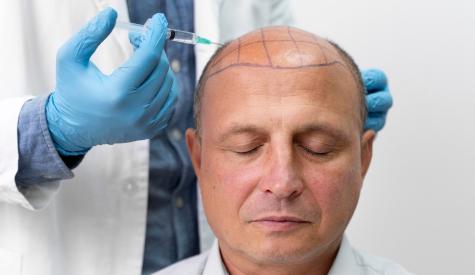
On the other hand, hair transplants involve the surgical transplantation of hair follicles from a donor area to the area of hair loss. Hair transplants can be performed using various techniques, such as Follicular Unit Extraction (FUE) or Follicular Unit Transplantation (FUT).
One of the main benefits of hair transplants is that they provide a permanent solution to hair loss, and the results are natural-looking and durable. Hair transplants require a skilled surgeon and can be costly, but they offer a long-term investment in the restoration of hair.
In terms of maintenance, toupees require regular cleaning and upkeep, and they need to be replaced every few months, depending on the quality and type of hair system. Hair transplants require little maintenance, and the transplanted hair grows and behaves like natural hair, requiring the same care and attention.
Both hair replacement systems and hair transplants can be effective solutions to hair loss, but they differ in terms of cost, durability, and maintenance. The most suitable choice should be based on individual needs, preferences, and budget.
| Feature | Hair Transplant | Hair System |
|---|---|---|
| Results Timeline | 6–12 months or longer | Instant |
| Cost (Initial) | One-time significant cost (may involve multiple sessions) | Lower upfront cost; ongoing maintenance fees |
| Maintenance | Low (natural hair care after healing) | High (reattachment every 2–3 weeks) |
| Permanence | Permanent; lifelong solution with your own hair | Short-term; unit replaced every 1–6 months |
| Invasiveness | Surgical (leaves scars) | Non-surgical (sensitive to adhesives) |
| Natural Look | High (natural growth) | High (if fitted well) |
For a detailed comparison of Hair System vs Hair Transplant, read this article: Hair System vs Hair Transplant: Which is the Best Hair Loss Solution for You?
Natural Remedies for Hair Loss
In addition to the aforementioned methods, people also explore natural remedies for hair loss. These remedies involve the use of natural ingredients and methods to stimulate hair growth, such as using essential oils, changing your diet, or massaging the scalp.
Oil for Hair Loss
Using oil for hair loss is a natural remedy that has been used for centuries. Different types of oil, such as coconut oil, castor oil, and argan oil, are believed to have properties that can help prevent hair loss and promote hair growth. The oil may have the effect of reducing dryness, breakage, or promoting the health of the scalp, but it will do nothing for hair loss where hair follicles are no longer active. Using it excessively also leads to buildup.
Change Your Diet for Hair Loss
Changing your diet can potentially help with hair loss, as hair requires certain types of nutrients to grow. These nutrients include vitamins, iron, proteins, and fatty acids, etc. A healthy diet may lead to stronger hair, particularly if hair loss is due to a deficiency in these nutrients.
Scalp Massage for Hair Loss
Scalp massage is another method that people find helpful. Scalp massage with the fingertips helps to increase blood flow and relieve tension and stress, which can contribute to hair loss. It can also remove buildup and dead skin cells from the scalp, and stimulate the production of new hair cells.
Natural remedies should be seen as supportive care. They are often inexpensive and can be done at home, but their effectiveness is not scientifically proven, and they may not work for everyone. The results may vary depending on the individual and the underlying causes of hair loss. They may also take longer to show results than non-surgical hair replacement options.
Different Types of Hair Systems
Hair systems can be categorized based on different features. In this guide, we will break down men's hair systems by the following aspects:
- Hair Loss Area: Full-cap hair systems vs toppers vs partial hair systems
- Base Material: Skin vs lace vs mono hair systems
- Personalization Level: Stock vs custom hair systems
Full-cap Hair Systems vs Toppers vs Partial Hair Systems
One of the easiest ways to compare hair systems is by how much of your head they cover. Some options replace all of your hair, while others may only cover specific areas. Knowing the difference helps you make a suitable choice more easily.
Full Cap Wigs for Men
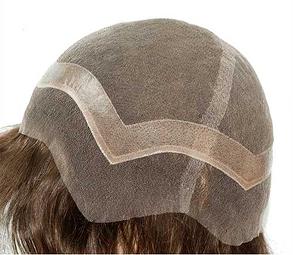
Full-cap wigs for men cover the entire head. They are commonly used when there is extensive or full hair loss, when it is not possible to integrate with existing hair. Some wear full-cap hairpieces for cosmetic or fashion reasons, especially if they like changing their hairstyle, color, or overall look without committing to anything permanent.
Toppers
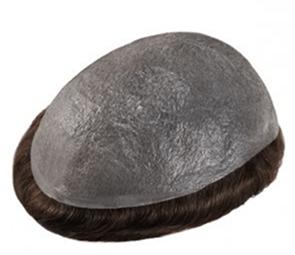
Hair toppers are commonly used to cover the crown or the top of the scalp. They blend with existing natural hair and are often attached to the scalp with adhesive or clips. Toppers are usually best for hair loss in early or middle stages, when there is still enough natural hair for a seamless transition.
Partial Hair Systems
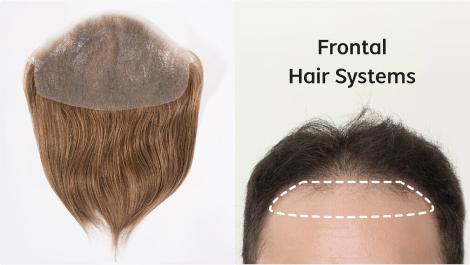
Partial hair systems are commonly chosen to cover hair loss in small targeted areas. They are designed to blend directly into existing hair and come in different shapes and sizes depending on the area of loss.
Common types include:
Frontals, which restore a receding hairline or thinning at the front
Hair patches, which cover thinning or bald spots on the crown, top, or side
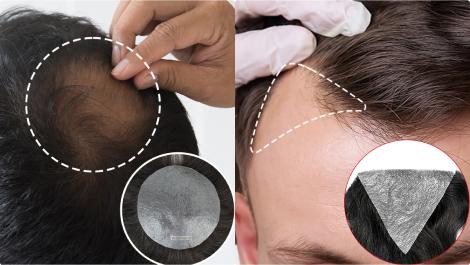
Because partial systems are tailored to specific areas, they can look very natural when properly fitted.
Quick Comparison
| Type | Coverage | Works Best When | Things to Keep in Mind |
|---|---|---|---|
| Full-Cap Wig | Whole scalp | Hair loss is extensive or complete | Full coverage, no support hair or blending |
| Topper | Crown or top | Hair loss is mild to moderate | Needs surrounding hair to blend well |
| Partial Hair System | Front, crown, or targeted areas | Receding hairline or localized hair loss | Most natural look when matched correctly |
Skin vs Lace vs Mono Hair Systems Pros & Cons
The most common way to categorize hair systems is by their base material. Skin, lace, and mono are three of the most popular base materials used for hair systems. As each of them has unique features, hair systems built on these materials have their advantages and disadvantages.
Skin Hair Systems:
Skin hair systems are made of a thin, transparent layer of polyurethane material. The material is shaped to fit the wearer's scalp and is designed to mimic the appearance of natural skin.
Pros:
- They blend with the scalp seamlessly and offer a natural look.
- They are easy to attach and remove.
- They require low maintenance and easy daily upkeep.
Cons:
- Skin hair systems have low breathability, making them uncomfortable to wear in hot weather or during workouts.
- Ultra-thin skin hair systems can be delicate and easy to tear up when removing or cleaning.
- They may look less natural if the skin base is too thick, as the edge can become more noticeable.
Lace Hair Systems:
Lace hair systems are made of a fine, sheer mesh material that is designed to mimic the appearance of natural hair. The mesh material is typically made of either French or Swiss lace. Advantages of lace hair systems include:
Pros:
- They are very lightweight and comfortable to wear.
- They offer a natural-looking hairline that is virtually undetectable.
- They are highly breathable and allow for good air circulation on the scalp.
Cons:
- They are delicate and can easily become damaged if not properly cared for.
- They are not so easy to maintain as skin hair systems, as the holes can get clogged up with glue more easily.
- Glue doesn't do well with lace — tape is best.
Mono Hair Systems:
Monofilament (mono for short) looks a lot like lace at first glance, but it is a stronger mesh material. It is more durable than lace but offers a less natural look.
Pros:
- They are durable and can last for a long time with proper maintenance.
- They are easy to attach and remove.
- They offer good scalp coverage, with the mesh creating a natural scalp appearance.
Cons:
- They are not ideal for exposed hairlines, especially when seen up close.
- They allow for moderate breathability, but not as good as lace.
- They are slightly thicker, and not as comfortable as lace.
Hybrid Hair Systems
While each base material has its strengths and weaknesses, what if you could combine their advantages? That's exactly why hybrid hair systems were developed.
Hybrid hair systems use more than one base material in a single design. Different areas of the system are built for different purposes. For example, lace is used at the top and front for good breathability and a natural hairline, and a skin perimeter is added for easy attachment and enhanced durability. This approach offers a balance of comfort, realism, and strength, making hybrid systems a practical option for many wearers.
Quick Comparison
| Feature | Lace | Skin | Mono |
|---|---|---|---|
| Appearance | Most natural hairline | Realistic scalp look | Balanced natural look |
| Breathability | High | Minimal | Moderate |
| Durability | 2-4 months | 1-6 months | 2-6 months |
| Comfort | Lightweight, breathable | Soft, less breathable | Moderate breathability |
| Maintenance | High (delicate) | Low (easy to clean) | Moderate |
| Best Use | Active lifestyles, hot climate | Low-maintenance wear | Long-term durability |
Still not sure which hair system base fits you best? Check out this article for detailed guidance: Lace vs. Skin vs. Mono: Which Hair System Base Is Right for You?
Stock Hair Systems vs Custom Hair Systems
Based on the personalization level, hair systems can be categorized into stock and custom hair systems.
Stock Hair Systems
Stock hair systems are pre-made and come in standard sizes and colors. They are usually more affordable than custom hair systems and can be delivered quickly. They can mostly meet your needs for daily wear. However, they may not be a perfect fit, as base size, hair color, hair density, texture, and other features may not match your natural hair exactly.
Pros:
- Quick delivery: Stock hair systems can be delivered quickly since they are already made.
- Affordable: Stock hair systems are usually less expensive than custom systems.
- Friendly to beginners: Many first-time wearers start with stock hair systems to learn what base type, density, and style they prefer.
Cons:
- Not Exact Fit: Stock hair systems are made to standard sizes. You may need extra adjustment to get a complete fit.
- Limited Options: Stock hair systems are pre-made. If your preferences fall outside standard specs, it's harder to get a close match.
- Styling Flexibility: Stock hair systems come with a set hair length and general style. They have lower styling freedom than custom ones.
Custom Hair System:
Custom hair systems are made to the wearer's exact specifications. Almost all the features of a hair system, from base material, base size, hair color, hair density, to texture, can be customized. A custom hair system is an ideal choice for those who want a perfect match and ultimate naturalness.
Pros:
- Perfect Fit: Custom hair systems are made exactly to your specifications, so they fit perfectly and feel comfortable.
- More Natural Results: Hair density, color, curl, and hairline shape can be tailored to closely match your natural hair.
- Ideal for Specific Needs: Custom systems suit those with unique head shapes, unusual hair patterns, or higher expectations for fit and appearance.
Cons:
- Expensive: Custom hair systems usually cost more than stock systems.
- Longer Production Time: Custom hair systems usually take 2-3 months for production. You have to order them in advance so they can arrive at your desired time.
- Harder to Replace: If you need a replacement fast, a custom system may not be immediately available.
Quick Comparison
| Feature | Stock Hair Systems | Custom Hair Systems |
|---|---|---|
| Availability | Ready to ship | Made to order |
| Fit | Standard sizing | Tailored to your measurements |
| Customization | Limited options | Fully customizable |
| Cost | Lower | Higher |
| Turnaround Time | Immediate | 2-3 months |
| Best For | Beginners or quick replacements | Experienced wearers or specific needs |
Overall, whether you choose a stock or custom hair system will depend on your budget, your preferences for comfort and naturalness, and your need for customization. To learn more about how to choose a custom hair system, read this article: An Easy Guide to Picking Your Best Custom Hair System.
How to Choose a Hair System
Now you know the features of different types of hair systems and how they compare to each other. With so many options available, how can you find the hair system that best suits your needs? Here are some helpful tips:
Set your budget: Hair systems can vary in price, so it's essential to establish your budget before you start shopping.
Find a reliable supplier: Choose a supplier with a good reputation and customer reviews to make sure you are getting a high-quality hair system. As one of the largest online retailers of men's hair systems, Lordhair has 20 years of experience in serving men with hair loss. This means you are in safe hands when ordering with Lordhair.
Measure your base size: The first step to getting a suitable hair system is choosing the right base size. Proper measurements are key to selecting a base size that offers a secure, comfortable fit.
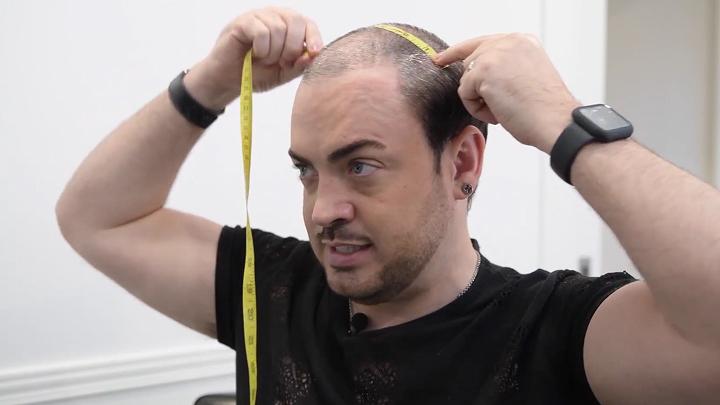
Choose a base: Lace, skin, mono, and hybrid hair systems each have their unique advantages. Your choice of the base should depend on your lifestyle, desired hairstyle, and level of comfort.
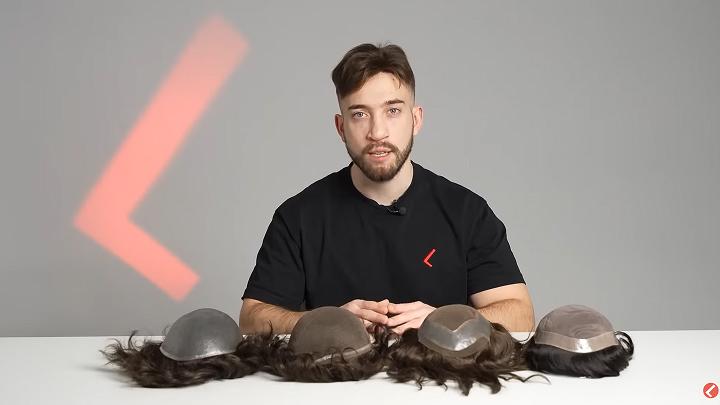
Consider hair quality: Synthetic systems are typically less expensive; human hair systems offer a more natural look and better durability. All Lordhair hair systems are made from human hair for the best quality and comfort.
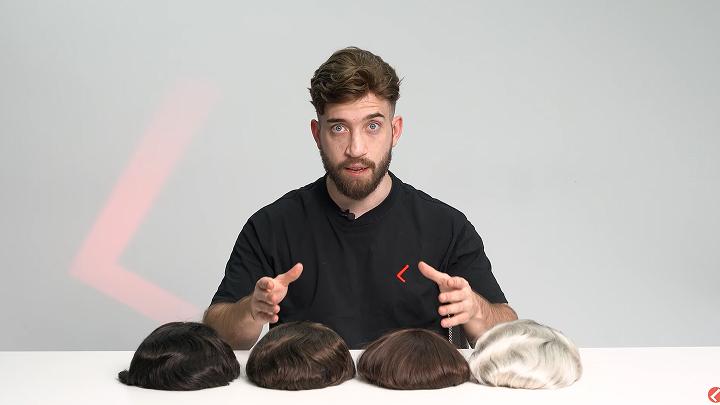
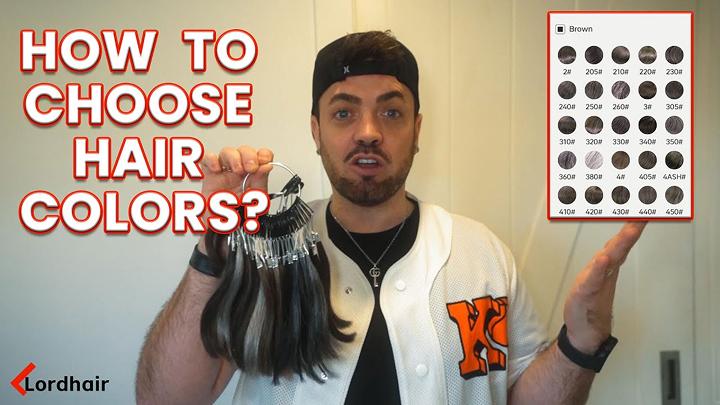
Match your hair color: Choose a color that matches your natural hair or the shade you want to achieve. Unmatched hair color can make a hair system visible.
Determine hair density: Density refers to the amount of hair on the hair system. Choose a density that blends well with your existing hair for a seamless look.
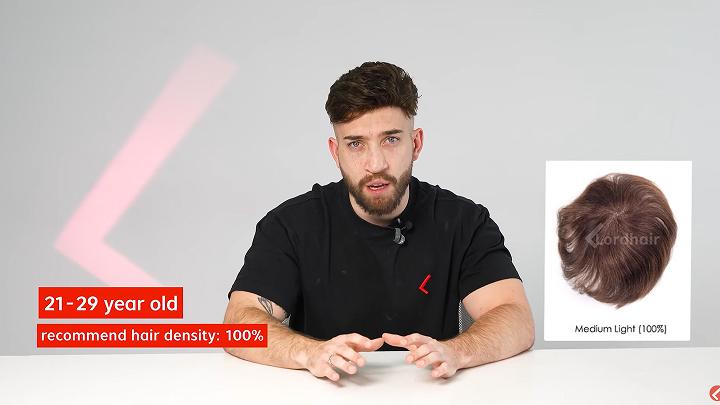
Consider Maintenance Routine: Different hair system bases require different levels of care. Choose a hair system that fits your lifestyle and maintenance expectations.
Choosing a hair system requires careful consideration and research. If you have any questions during this process, feel free to contact us at any point. Lordhair is here to make the experience as smooth and comfortable as possible.
Hair System Cost vs Life Span
The cost and lifespan of a hair system can vary depending on a number of factors, including the quality of the hair system, the type of hair used (synthetic vs human hair), the construction method, and the maintenance and care routine.
Generally speaking, a high-quality hair system made with real human hair and constructed using advanced techniques will cost more than a synthetic hair system or one made with lower-quality materials.
Even among human hair systems, lifespan isn't fixed. The lifespan of a hair system can also vary depending on factors such as base materials, how often it is worn, and the level of care and maintenance it receives. On average, a well-maintained men's hair system can last anywhere from 1 month to 6 months before needing to be replaced. Wigs attached by clips can last longer.
When evaluating the cost of hair systems, it's important to keep in mind that it is not just the initial purchase price, but also includes ongoing maintenance and replacement costs. Regular cleaning, styling, and upkeep are necessary to ensure the hair system looks and feels natural and lasts as long as possible.
We will break all this down so you can make a more informed decision when choosing the best men's toupee for your needs.
Let's first compare the lifespan of men's hair systems by base material type.
How Long Do Hair Systems Last?
The lifespan of a toupee base can vary depending on several factors, including the quality of the base material, how often the toupee is worn, the wearer's lifestyle and level of activity, and the maintenance and care routine.
Here are some general guidelines for the lifespan of different toupee base materials:
- Lace base: A lace base is a popular option for its natural look and breathability. French lace and Swiss lace are the two most popular lace base materials. With proper care and maintenance, a French lace hair system can typically last 2 to 4 months, and a Swiss lace system can last 1-2 months.
- Skin base: A skin base is made of a thin layer of polyurethane that is attached to the scalp. Thin skin hair systems can last 1-6 months with proper care. 0.02-0.03mm ultra-thin skin toupees last about 1 month. 0.06-0.10mm super thin skin hair systems last 2-4 months, thin skin bases of 0.1mm+ usually can last 3-6 months.
- Mono base: A mono(monofilament) base is made of a fine, plastic mesh material that is durable and allows for moderate hair flow. A mono base can last 3-6 months with proper care.
- Hybrid base: A hybrid base combines different materials, such as lace and skin, to provide the benefits of both. The lifespan of a hybrid base can vary depending on the materials used and how well it is cared for.
It's important to note that these are just general guidelines, and the actual lifespan of a toupee base can vary depending on the factors mentioned above. Proper maintenance, cleaning, and care can help extend the lifespan of a toupee base.
Compare Key Features of Hair System Bases
| Base Type | Comfort | Breathability | Ease of Maintenance | Realism | Durability |
|---|---|---|---|---|---|
| Ultra-Thin Skin | ★★★★☆ | ★★☆☆☆ | ★★★★☆ | ★★★★★ | ★★☆☆☆ |
| Thin Skin | ★★★★☆ | ★★☆☆☆ | ★★★★☆ | ★★★★☆ | ★★★☆☆ |
| Skin | ★★★★☆ | ★★☆☆☆ | ★★★★★ | ★★★☆☆ | ★★★★☆ |
| Lace | ★★★★★ | ★★★★★ | ★★★☆☆ | ★★★★★ | ★★★☆☆ |
| Mono | ★★☆☆☆ | ★★★☆☆ | ★★★★☆ | ★★★☆☆ | ★★★★★ |
| Lace & Skin | ★★★★★ | ★★★★☆ | ★★★★☆ | ★★★★☆ | ★★★★☆ |
| Mono & Skin | ★★★☆☆ | ★★★☆☆ | ★★★★☆ | ★★★★☆ | ★★★★☆ |
| Mono & Skin & Lace | ★★★☆☆ | ★★★★☆ | ★★★★☆ | ★★★★☆ | ★★★★★ |
Compare the Costs of Different Hair Systems for Men
| Toupee type | Minimum Cost | Average units per year | Annual cost | Salon maintenance cost/time | Maintenance appointments per year | Total Annual cost | Cost per day |
|---|---|---|---|---|---|---|---|
| Ultra Thin Skin | $239 | 12 | $2868 | $200 | 12 | $5268 | $14.43 |
| Super Thin Skin | $249 | 3-4 | $747 | $200 | 3-4 | $1347 | $3.69 |
| Thin Skin | $239 | 3-4 | $717 | $200 | 3-4 | $1317 | $3.61 |
| Lace | $329 | 3-4 | $987 | $200 | 3-4 | $1587 | $4.35 |
| Mono | $209 | 2-3 | $418 | $200 | 2-3 | $818 | $2.24 |
| Hybrid | $289 | 3-4 | $867 | $200 | 3-4 | $1467 | $4.02 |
What is the Most Cost-effective Hair Solution?
Now you know how much men's hair systems cost. Then how do hair systems compare with other popular hair loss solutions? Let's look at the raw costs of each option through this table.
| Hair Solution | Typical Cost (USD) | Effective Period | Cost/Year | Cost/Day | Disadvantages |
|---|---|---|---|---|---|
| Hair Transplant | $5,000-$30,000+ | 10-15+ years (permanent) | $333-$3,000+ | $0.90-$8.20+ | High upfront cost, surgical risks, recovery time, results vary |
| Platelet-Rich Plasma (PRP) | $1,200-$3,000+ total (typically $400–$1,000 per session) | 1-2 years with follow-ups | $1,200-$3,000+ | $3.30-$8.20+ | Requires multiple treatments, ongoing maintenance, cost adds up |
| Finasteride | $16-$50+ per month | Ongoing use | $200-$600 | $0.55-$1.65 | Works mainly for early hair loss, ongoing cost, possible side effects |
| Minoxidil | $10-$40+ per month | Ongoing use | $120-$480 | $0.33-$1.32 | Must be used continuously, results vary |
| Low-Level Laser Therapy (LLLT) | $300-$1,500+ (per device or session) | Ongoing | $300-$1,500+ | $0.82-$4.10+ | Results can be modest, regular use required |
| Scalp Micropigmentation (SMP) | $1,500-$3,000+ | 2-5 years | $300-$1,500+ | $0.82-$4.10+ | Cosmetic only, does not grow hair |
| Hair Fibers, Concealers | $50-$200/year | Short term | $50-$200 | $0.14-$0.55 | Temporary, daily reapplication |
| Hair Systems + at home fitting | $200-$450 per unit | 1-6 months | $400-$900 | $1.09-$2.47 | Recurring replacements, maintenance needed |
Cost-effectiveness of a Hair System based on other dimensions
When picking a hair loss solution, cost should not be the only factor to consider. Remember what we discussed earlier about the key advantages hair systems offer compared with other options.
Alternatives to hair systems:
- Results are gradual and may not restore full volume
- Can cause irreversible damage
- Expensive
Hair systems:
- Suitable for long-term and short-term use without permanent damage
- Immediate results with full volume
- Non-invasive and risk-free
When you compare the costs side by side, hair systems stand out as one of the most cost-effective ways to manage hair loss. They offer a clear balance of results, flexibility, and safety at a lower and more manageable cost.
How To Prolong Hair System Life and Save Money
Proper maintenance and care can help prolong the life of a hair system. According to feedback from real hair system users, there are three biggest issues that impact the lifespan of a hair system.
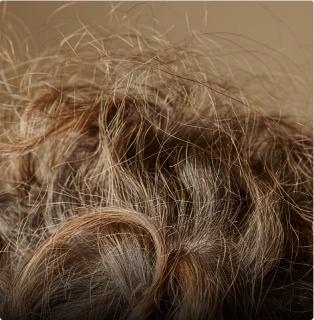
- Drying: This is one of the most frustrating things for most wearers, and it's completely normal. Unlike your own hair, a hair system doesn't get moisture from the natural oils of the scalp, so all the moisture needs to come from the products you use.
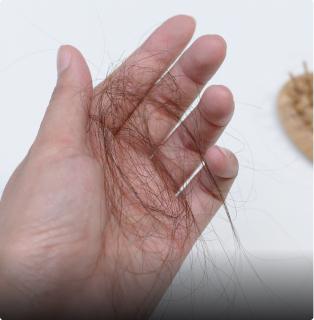
If you wash your system too often, use the wrong kind of shampoo, or expose it to heat and sun without protection, the hair gradually loses moisture. Even hot water or hard water can make it worse. When that happens, the hair will feel rough, lose shine, and become hard to style. - Shedding: Seeing extra strands in your brush or sink can be stressful. Shedding often occurs due to adhesive buildup, rough handling, or harsh washing that weakens the hair knots.
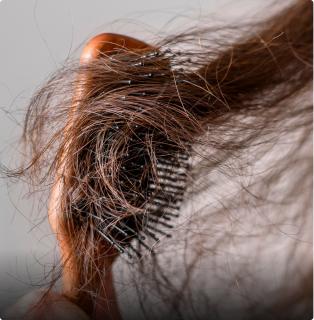
Hair is tied to the hair system base by knotting or knotless ventilation methods. Over time, due to brushing, washing, and daily wear, the connection between hair and the base can loosen or break. Rough washing or brushing, and harsh products can worsen the situation and accelerate shedding. - Tangling: Tangling usually happens when hair gets too dry or when there is residue buildup. Because toupee hair doesn't get the natural oils from the scalp, it can dry out easily and become rough. When that happens, the strands start to catch on each other and form knots.
Skipping the conditioner or using too much styling product can worsen tangling. Over time, this can cause the hair to look frizzy or difficult to manage. If tangles are not fixed, they will continue to pull on the base and cause the hair to break off or fall out.
 Drying
 Shedding
 Tangling
How to Get Professional Hair Care at Home
Tailored to these frustrations, Lordhair worked with real hair system wearers and has designed a maintenance process that enables users to enjoy professional-level hair care at home at a more affordable price. We name it a 3R routine — RESET, RENEWAL, and REFRESH.
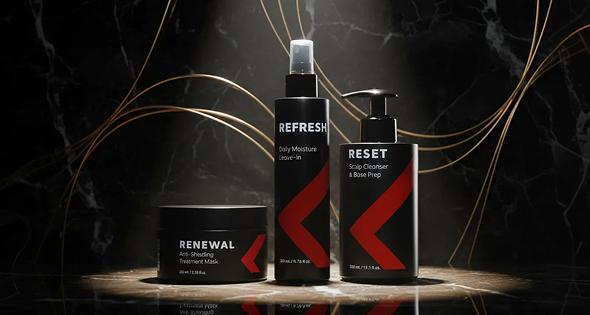
RESET: Clean the Base Gently but Thoroughly
Remove your hair system slowly and carefully. Spray adhesive remover onto a cotton pad and gently rub in circular motions as you remove the hairpiece from your scalp. Be patient and avoid pulling it too hard, or you may damage the base or pull it out of shape.
Next, wash the hair system with RESET in lukewarm water. Massage it gently around the adhesive areas to remove any residue and buildup. Repeat this two or three times until the base is completely clean, and then rinse it thoroughly in clean water.
RENEWAL: Deep Conditioning
Once your base is clean, it's time to take care of the hair. First, gently detangle the hair with a wide-tooth comb, brushing away from the base of the hair system to avoid loosening knots. Then apply the RENEWAL mask evenly through the hair. Leave it for about five minutes to let it soak in, then rinse with lukewarm water.
This step helps bring back softness and shine, smooths out tangles, and keeps the hair feeling like new again. If your system's been feeling dry or rough lately, this step will bring it back to life.
REFRESH: Lock In Moisture and Protect
The last step is all about keeping moisture. After washing, gently place your hair system on a towel, fold the towel over, and press gently to remove extra water. Avoid twisting or wringing it, or it can damage the base or cause shedding. Let your system air dry. Once your hair system is about 80% dry, it's time for the final touch.
Apply REFRESH to lock in moisture and protect from heat, sun and dryness. This step keeps the hair soft, smooth, and easy to style like natural hair.
To learn more about the Lordhair 3R hair maintenance process, read this article: Hair System Maintenance: Simple At-Home Routine for Professional Results.
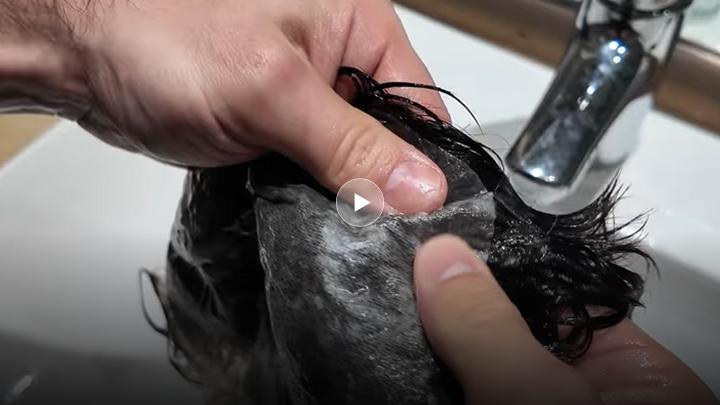
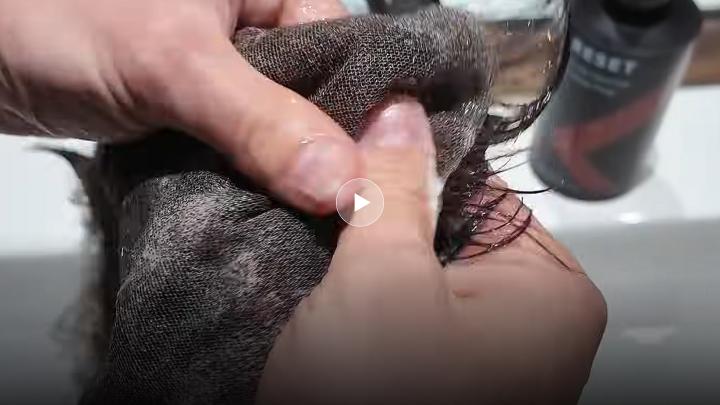
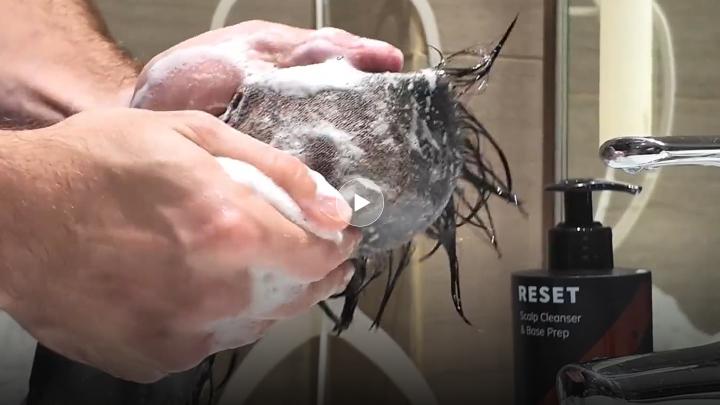
Watch the Maintenance Process in Action
- How to Maintain a Thin Skin Hair System
- How to Maintain a Full Lace Hair System
- How to Maintain a Hybrid Hair System
Additional Tips to Keep Your Hair System Fresh
Small daily habits can make a big difference in how long your hair system holds up. Here are some useful tips to keep it in good shape:
- Handle your hair system with care: Avoid pulling or tugging on the hair system, and be gentle when brushing or combing. Use a wide-tooth comb or brush designed for use with hair systems.
- Avoid exposure to heat: Heat can damage hair systems, so avoid using hot styling tools like curling irons, flat irons, and hair dryers. If you are going to stay in direct sunlight for a long time, you'd better wear a cap.
- Protect your hair system when swimming: Chlorine and saltwater can damage hair systems, so special care is needed before and after swimming to minimize the impact. For guidance, read this article: Can You Swim with a Hair System?
- Get professional assistance: As a beginner, hair system maintenance can feel challenging. A professional's help can make the early stage less stressful. They can help you resolve issues that are difficult to handle on your own.
If you have questions or need guidance, feel free to contact Lordhair anytime for advice, support, and step-by-step guidance.
Before & After Pictures
Over the years, tens of thousands of men have chosen Lordhair hair systems and seen real changes in their lives. Their before and after photos show more than just a new look; you can see the confidence in their smiles.
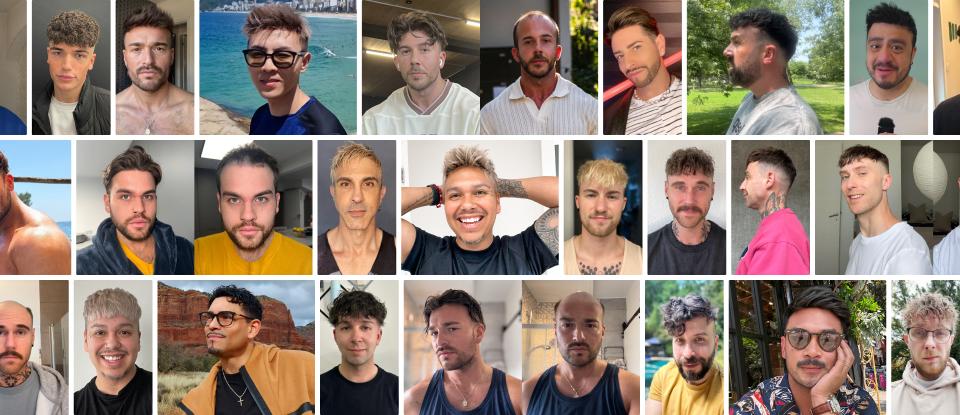
Could you be the next to start a new chapter in life?
Take the first step today and see what's possible.
START YOUR TRANSFORMATION