

Sweating in a Hair System: What You Need to Know
- Written by Raina Hou
- | Published Sep 3, 2021
- | Updated Aug 19, 2026
- |
- 5 min read
 Listen to the full text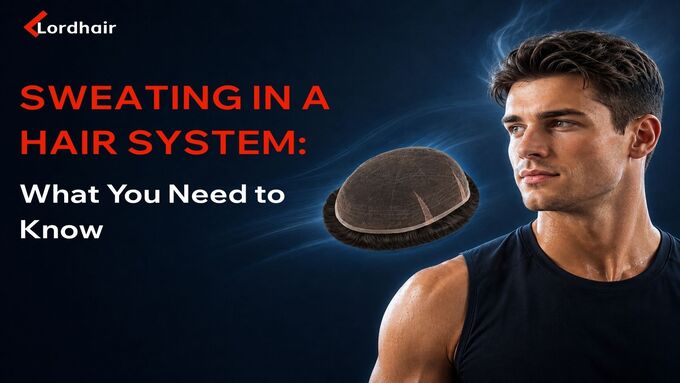
Worried sweat is going to wreck your hair system? Or that it'll feel like wearing a pot on your head at the gym? You're not the only one — it's one of the first questions almost everyone asks before getting a hair system.
The good news: you can absolutely sweat and work out in a hair system. The key is giving a fresh bond enough time to cure, choosing a base that suits your sweat level, and adjusting your care routine when needed.
Key Takeaways
-
Sweat won't ruin a properly attached hair system, but a fresh bond needs time to cure. Avoid heavy sweating, showering, or swimming during the cure window.
-
Lace is usually the best base for heavy sweating because it allows more airflow.
-
Post-workout care should match how much you sweat. Remove excess sweat promptly and shorten your cleaning or reattachment cycle when needed — but you don't have to shampoo after every workout.
Will Sweat Loosen My Hair System's Bond?
Let's get straight to it: sweat doesn't damage a hair system. Over time, however, repeated exposure to sweat, scalp oils, heat, and trapped moisture can gradually shorten the life of the adhesive bond.
The window that actually matters most is right after a fresh attachment, while the adhesive is still curing. Sweating, showering, or swimming too soon can weaken a new bond and may cause the adhesive around the hairline to turn white when it comes into contact with moisture before fully setting.
Cure time depends on the adhesive and attachment method you're using. Around 24 hours is common, while some adhesives may require up to 24–48 hours before heavy sweating, swimming, or intense exercise. Always follow the instructions for your specific adhesive.
Once you're past that window, you're clear. Sweat normally, work out normally — the main thing that changes is how often you clean, touch up, and reattach.
Choosing a Base for Heavy Sweat
If you sweat a lot and exercise often, picking a base isn't something to gloss over — the four main types of hair system bases handle heat and sweat differently:
| Base Type | How It Handles Sweat | Breathability | Best For | Lordhair's Go-To |
| Lace | Mesh structure lets air, heat, and sweat pass through the base more easily | ★★★★★ | Heavy sweating and frequent exercise. French lace balances breathability and durability; Swiss lace is lighter and more undetectable |
Champion |
| Skin (Poly) | Sweat and heat are more likely to build up underneath the base during activity | ★★☆☆☆ | Lighter sweaters who prioritize easy attachment, cleanup, and a close scalp feel | SuperSkin-V |
| Mono | Mesh structure offers some airflow, though the material is generally thicker than lace | ★★★☆☆ | Anyone balancing breathability, stability, and durability | Lite Cosmos |
| Hybrid | Combines lace, skin, or mono by zone to balance airflow and upkeep | ★★★★☆ | Wearers who want a middle ground between breathability, durability, and easy maintenance | Neo |
For heavy sweaters, lace is usually the best choice. French lace, in particular, offers a good balance of breathability and durability, making it well suited for active users and hot climates.
For the full rundown on breathability, durability, natural appearance, and maintenance across different bases, see Lace vs. Skin vs. Mono: Which Hair System Base Is Right for You.
Your Sweat Routine
Before — Prep Your Scalp
Clean, oil-free skin is what lets adhesive actually bond — leftover residue or oil from your last wear can prevent new adhesive from holding properly.
Lordhair's advice: wipe a cotton pad soaked in a solvent like C22 across the scalp while slowly lifting away old tape or glue, adding more solvent instead of pulling if you hit resistance. Once the residue is gone, clean the scalp with a gentle product and let it dry completely before applying anything new.
For people who sweat heavily, have oily skin, or live in hot climates, a scalp protector can also help by creating a barrier between the skin and adhesive, improving attachment and reducing direct skin contact with the bonding product.
If you sweat heavily, your attachment method should work with your base.
For a lace base, tape is usually the easier choice. It sits on top of the lace instead of seeping through the mesh, which also makes removal and cleanup simpler. To preserve as much breathability as possible, apply tape mainly around the perimeter rather than covering large sections of the lace.
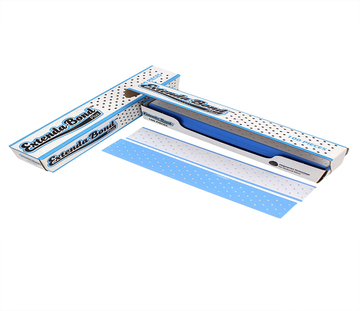
For a skin (poly) base, both tape and glue work well. Tape is generally quicker to apply and easier to remove, making it a convenient option for beginners or anyone who prefers simpler maintenance. Glue, on the other hand, can create a thin, even bond across the skin base and offers more control over the strength of the attachment. Because skin has no open mesh, you also don't have to worry about liquid adhesive working its way through the base. If you prefer glue, Ghost Bond is a water-based hair system adhesive available from Lordhair.
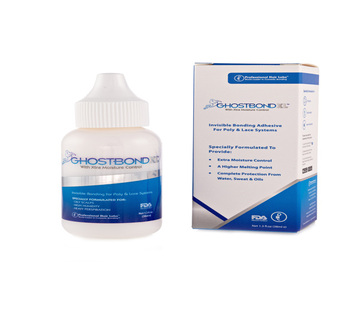
Ghost Bond Glue
Extenda-Bond Plus Tape Best Hair System Adhesive for a Strong Hold - Ships to the U.S. and UK only
VIEW DETAILIf you're wearing a hybrid base, you can combine both methods — for example, using tape on the lace sections and tape or glue on the skin areas depending on the design and your preference.
For a more detailed look at how tape and glue work with different bases, see Lace Base Men's Hair System: Tape or Glue.
During — A Small Habit That Helps
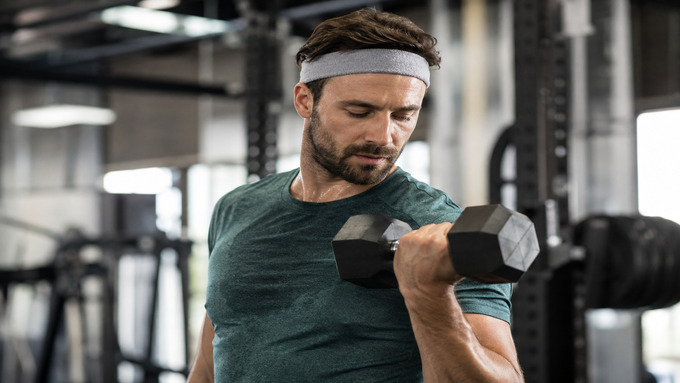
A simple habit that can help during workouts is wearing a soft, breathable sweatband.
It absorbs some sweat before it reaches the hairline and bonded edges, reducing how much moisture sits around the attachment area during exercise.
It won't stop sweating entirely, and it's not a substitute for proper attachment and care. Avoid anything overly tight, since constant pressure and friction around the hairline can pull on the hair and base.
After — How Often to Clean
How you clean after a workout comes down to your sweat level and how the bond is holding up, not a number circled on a calendar:
-
Light to moderate sweating: pat away excess sweat or rinse gently with cool or lukewarm water when needed. A full cleaning and maintenance session every 1–2 weeks is a reasonable starting point.
-
Heavy sweating or intense training: gently rinse away heavy sweat when practical so salt and oil don't remain on the base for long periods. A full removal-clean-reattach cycle may need to shorten to roughly 7–10 days.
-
Hot climates: higher temperatures often mean more sweat and scalp oil, so the reattachment interval may need to shorten. Use edge lifting, adhesive residue, odor, and scalp comfort as your real indicators rather than relying only on a fixed calendar.
A full reattachment and a small edge touch-up are also different jobs. The hairline gets more friction, movement, sweat, and exposure than the back and sides, so it may need attention more frequently — especially for heavy sweaters. Touch it up when you notice lifting rather than assuming every area of the system needs to be removed on the same schedule.
One more thing: "rinsing" doesn't mean shampooing after every workout. Frequent shampooing — especially with harsh or stripping formulas — can dry out hair-system hair faster. The goal after a sweaty session is simply to avoid leaving heavy sweat, salt, and oil sitting on the system for hours.
For regular upkeep, Lordhair's 3R Maintenance System — RESET, RENEWAL, and REFRESH — is designed specifically for hair-system hair, which does not receive the same continuous natural-oil replenishment as growing hair. The routine combines gentle cleansing, conditioning, and between-wash maintenance to help manage dryness, tangling, and shedding.
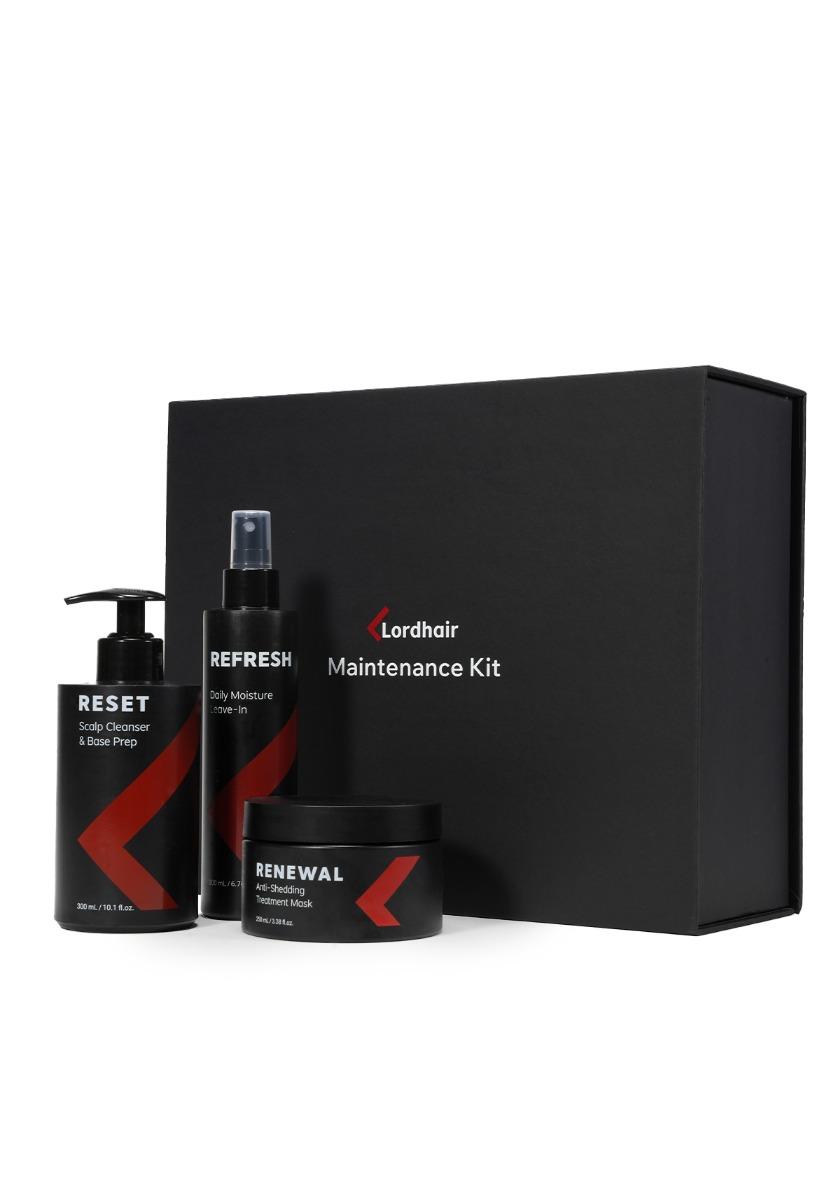
3R - Hair System Maintenance Collection
Revolutionary 3-Step Hair System Care - Reset • Renewal • Refresh Ships to the U.S. Only
VIEW DETAILIf odor and bacterial buildup between cleans are a particular concern, Lordhair's ZyroSen series uses silver-ion antibacterial technology designed to help control bacterial growth and odor during wear.
For Heavy Sweaters — Should I Remove My Hair System at Night?
Sweat a lot and want to minimize how long moisture stays against your scalp? Nightly removal is a completely legitimate option.
Lordhair customer Yenu does exactly this — years into wearing hair systems, he's become familiar enough with the routine to remove and reinstall his system very quickly.
Nightly removal takes more daily effort, but it gives the scalp a regular overnight break from adhesive, heat, and trapped moisture. For some very heavy sweaters or people who prefer daily access to their scalp, that trade-off can make sense.
The standard 7–14 day wear cycle is enough for many users, so nightly removal isn't something every heavy sweater needs to adopt. It's simply another valid way to wear a hair system rather than a fallback for someone who "can't get attachment right."
Sports, Gym & Hair Systems
Lifting, running, playing sports — all completely fine with a hair system on.
Just make sure a fresh attachment has completed its recommended cure time, choose a breathable base if you sweat heavily, and deal with excess sweat reasonably soon after intense exercise.
For base choices by sport, water activities, and reattachment schedules for athletes, see Hair System for Swimming and Sports: What You Need to Know.
Need Help Choosing a Sweat-Friendly Hair System?
 WHATSAPP
  EMAIL
EMAILPrefer a quick digital recommendation? Ask the Lordhair AI Assistant based on your activity level, climate, and maintenance preferences.
Lordhair's Brand Month runs through August 31 — $45 off one hair system, $100 off two.
FAQs
Can I wear a hair system if I sweat a lot?
Absolutely. Heavy sweating doesn't rule out wearing a hair system. Give a fresh attachment enough time to cure, choose a breathable base if needed, and adjust your cleaning and reattachment schedule to match your activity level. If you'd rather not handle all of the maintenance yourself, Lordhair's partner salons and maintenance service can help with installation and care.
Will sweat cause my hair system's adhesive to fail outright?
Not suddenly under normal conditions. Sweat, scalp oil, heat, and moisture can gradually shorten bond life over time, while heavy moisture exposure during the adhesive's initial cure window can cause a fresh attachment to fail earlier than expected. Once the adhesive is properly cured, normal sweating is something a hair system can handle — you may simply need to maintain or reattach it more frequently.
Does the scalp get hot and start to smell after sweating, and what helps?
It can, especially with less breathable bases or when sweat and oil remain against the scalp for long periods. Lace generally allows more heat and moisture to escape, while skin bases tend to trap more warmth underneath. Removing excess sweat after workouts and keeping up with regular cleaning can help control buildup and odor. If odor between cleans is a recurring concern, an antibacterial option such as the ZyroSen series may also be worth considering.
Should heavy sweaters remove their hair system at night?
It's an option, not a requirement. Nightly removal gives your scalp an overnight break and makes daily scalp cleaning easier, which some very heavy sweaters prefer. For most wearers, however, a longer attachment cycle with regular cleaning and occasional edge touch-ups is more practical.
share