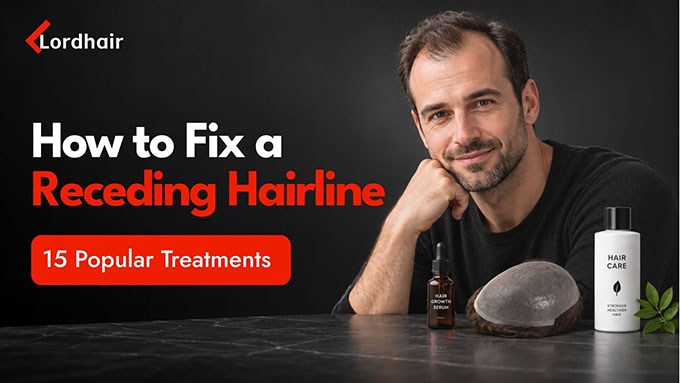
How to Fix a Receding Hairline: 15 Popular Treatments
- Written by Sarah Rowland
- | Published Oct 10, 2020
- | Updated Sep 15, 2026
- |
- 5 min read
 Listen to the full text
Hair loss at the front of your scalp is hard to miss. Genetics tied to DHT sensitivity, getting older (especially past 50), and conditions like alopecia areata are the usual reasons. You look in the mirror and start thinking about how to fix receding hairline problems before they worsen, and how to help receding hairline issues early. The good news? You’ve got options. The right receding hairline treatment can slow, stop, or even improve things. Here are 15 widely used hair recovery solutions. We’ll start with medical approaches.
Key Takeaways
-
Medical treatments can slow or reverse hair loss: FDA-approved Minoxidil may stimulate growth, while Finasteride can help prevent further loss in men only.
-
Permanent and cosmetic options exist: Hair transplants offer long-term restoration but can be costly, while hair systems, scalp micropigmentation, and strategic haircuts provide immediate visual improvement.
-
Support hair health safely: Natural supports like protein-rich diets, pumpkin seed oil, and ketoconazole shampoo may help follicle health.
Clinical and Prescription Treatments for Hair Loss
If Hair loss is hormone-related, treatments should target it directly. Doctors usually reach for these first because they're backed by real clinical data.
1. Minoxidil (Topical and Oral Solutions)
Suitable at the initial stage of receding hairline
Rogaine is usually the first name that comes up. Its active ingredient, minoxidil, is available over the counter in both topical and oral forms, and it works by thickening follicles at the front of the scalp and strengthening weak roots. Most people stick with the topical version, and it usually requires consistent use. Once stop using it, the new growth tends to fall out. Irritation and unwanted facial hair are the main side effects to watch for. It won't touch the hormone actually causing the recession, which is a separate problem entirely.
2. Finasteride (DHT Blocker)
Suitable at the initial and mid-stages of receding hairline
Finasteride blocks DHT, the hormone responsible for shrinking hair follicles, and it's one of the most prescribed options for men dealing with a receding hairline. It's strictly for men — pregnant women, or those who could become pregnant, shouldn't take it at all, since it carries real risks to a male fetus. Side effects can include anxiety, skin issues, or a lower sex drive, which is worth flagging to a doctor before starting.
3. Dutasteride (DHT Blocker)
Suitable at the initial stage of receding hairline
Dutasteride is a prescription oral medication primarily used to treat symptoms of an enlarged prostate, also called benign prostatic hyperplasia (BPH). Doctors sometimes prescribe it for male pattern hair loss, though it's not officially approved. The same precautions apply: men only, with a similar risk of anxiety, skin issues, or reduced libido.
Surgical Hair Restoration Methods
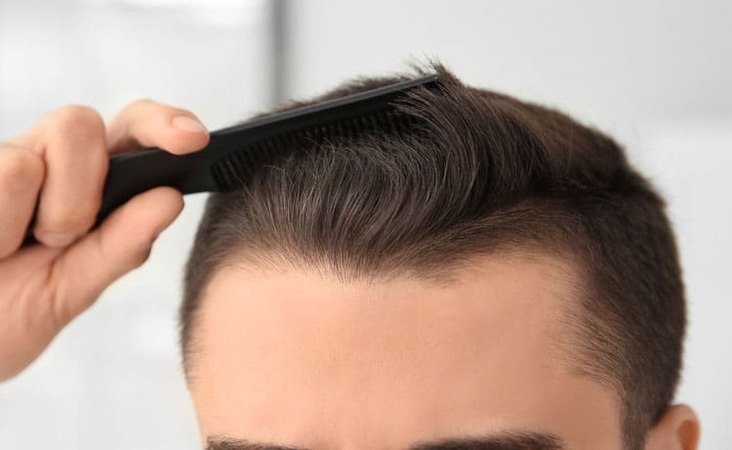
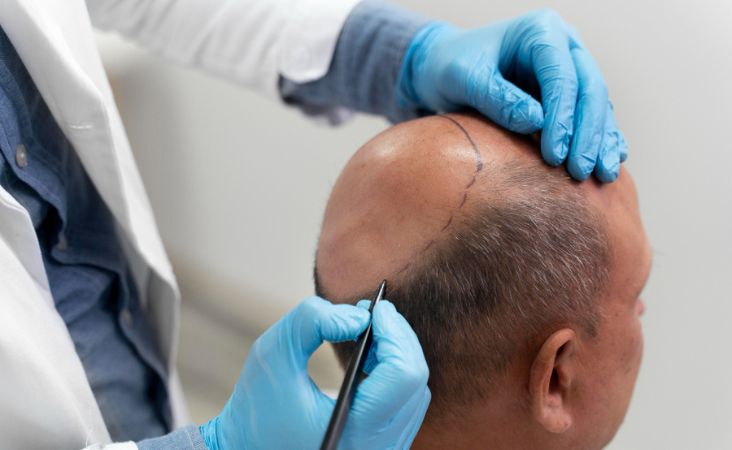
Medications usually need to be taken for a lifetime. Once stopped, the result is gone. So some people prefer a permanent solution like a hair transplant. In the process, surgery moves healthy follicles to where they're actually needed. It's a permanent fix, but it takes real skill and a real budget.
4. Strip Harvesting (FUT)
Suitable at the initial and mid-stage of receding hairline
FUT, or Follicular Unit Transplantation, is the older of the two mainstream surgical routes, and it can fix a receding hairline for good. A strip of scalp is removed and divided into individual grafts for transplant. Expect a cost between 4,000 and 15,000, plus a visible scar and some risk of cysts or infection.
5. NeoGraft (FUE)
Suitable at the initial and mid-stages of receding hairline
NeoGraft, or FUE (Follicular Unit Extraction), is the newer of the two. Follicles come out one at a time, which means smaller marks and a shorter recovery, though it usually costs more than FUT. Both methods restore hair where it's transplanted, but they don't stop hair loss from continuing in the untreated areas behind it.
Cosmetic and Instant Non-Surgical Solutions
Sometimes surgery and medication aren't what you're after — you want a fix today, with zero recovery time. Scalp micropigmentation, hair systems, and a sharp haircut can help, whether you're buying time before a bigger decision or just want to look good for an event.
6. Scalp Micropigmentation (SMP)
Suitable at the advanced stage of receding hairline
Scalp micropigmentation, or SMP, fakes the look of fuller hair without adding a single strand. Fine needles deposit pigment into the scalp to mimic shaved follicles, and it costs a lot less than a transplant. It's not without risk: poor technique can cause infections, swelling, or granulomas, and unclean equipment raises the odds of something worse. Stick to a trained specialist, and get a dermatologist's opinion first. Some people stop there; others layer a hair system on top for fuller coverage.
7. Low-Level Light Therapy (LLLT)
Suitable at the mid-stage of receding hairline
Low-level light therapy uses red light, around 660 nm, to stimulate follicles and boost cellular activity at the scalp. It's painless, non-invasive, and may thicken strands over time. Laser caps are the usual delivery method, but they aren't cheap, and you're looking at several sessions a week, up to 30 minutes each. Whether it actually works is still debated in the research. Either way, it's a real time commitment.
8. Lordhair Premium Hair Systems
Suitable at the mid and advanced stages of receding hairline
Hair systems today are nothing like old-school toupees. A Lordhair system uses real human hair on an undetectable base that looks natural. If you’re asking ‘how to fix my receding hairline today’, this works fast. You attach it using adhesive, tape, or clips. Fixing your hairline this way gives instant, predictable results. No waiting for regrowth. It’s also much more affordable than a hair transplant. Instead of stressing over how to grow your hairline out, you can simply wear a full, natural-looking head of hair. It’s quick, flexible, and effective.
A frontal hairpiece in particular is worth a look if the hairline is your main concern. Learn more about how to choose a front hairpiece.
products


For a detailed comparison between hair systems and hair transplants, read Hair System vs Hair Transplant: Which is the Best Hair Loss Solution for You?
9. Strategic Hairstyles
Suitable at the initial stage of receding hairline
A good haircut can give you a fuller look. A slick-back undercut, for instance, adds volume up top and softens the contrast at the temples — thinning becomes less obvious, and nothing else about your routine has to change. Here are the hottest hairstyles for men with receding hairline to look dapper.
10. Shaved or Buzzed
Suitable at the advanced stage of receding hairline
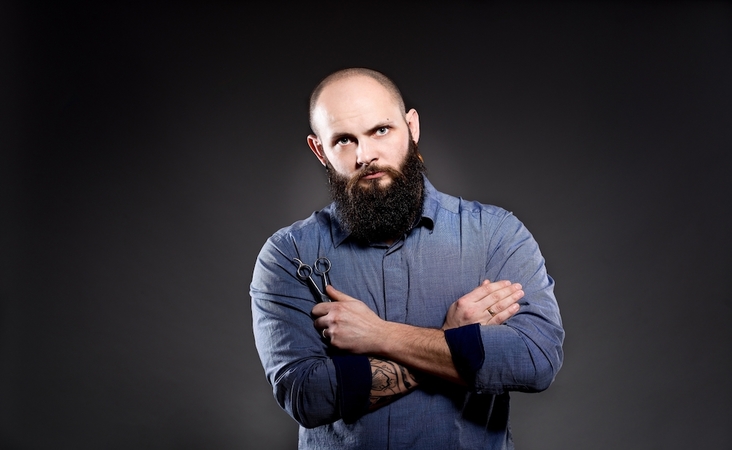
If you ask us, there is nothing wrong with going completely bald. Someone with the right face, fitness, and mindset can pull off a shiny bald head with great success (Ask Dwayne Johnson). From buzz cut to bald-with-beard look, there are a lot of options to experiment with if you choose to get rid of scalp hair altogether.
Light Therapy and Daily Care Routines
None of the treatments below replace medication or surgery, but a decent care routine protects whatever you're keeping long-term, whichever path you end up choosing.
11. Nutrient-Rich Diet
Suitable at the initial stage of receding hairline
Protein comes first. Hair is made of keratin, and lacking it can lead to hair shedding. Zinc, iron, and B vitamins matter too. Cutting back on smoking and drinking helps as well, since both restrict circulation to the scalp.

12. Gentle Hair Care Routines
Suitable at the initial stage of receding hairline
If your shampoo is stripping more oil than it should, that's worth fixing on its own. Ketoconazole shampoo is a common dermatologist recommendation here. It fights dandruff, calms inflammation, and lightly blocks DHT at the scalp. Check with a professional before adding any medicated product to your routine, since not every scalp needs the same fix.
Natural Remedies and Plant-Based Treatments
There are natural remedies that people have used to treat hair loss. They are believed to have minimal side effects, but the real results are not clinically proven.
13. Onion Juice
Suitable at the initial stage of receding hairline
Onion juice is one of the oldest home remedies for hair loss, and the reasoning is its sulfur content, thought to support hair structure.

14. Aloe Vera
Suitable at the initial stage of receding hairline
Aloe vera works better for scalp dryness specifically — it's nutrient-dense and calms irritation almost on contact.
15. Pumpkin Seed Oil
Suitable at the initial stage of receding hairline
Pumpkin seed oil gets cited most often among natural options, mainly for its antioxidants and fatty acids, and some early research points to a mild DHT-blocking effect.

For these natural treatments, it's better to treat them as support rather than a guaranteed fix. If you're serious about regrowth, see a doctor for more professional advice rather than relying only on these unproven remedies.
15 Treatments at a Glance
|
#
|
Treatment
|
Category
|
Best For
|
|
1
|
Minoxidil
|
Medical
|
Stimulating regrowth
|
|
2
|
Finasteride
|
Medical
|
Slowing further loss (men only)
|
|
3
|
Dutasteride
|
Medical
|
DHT blocking (off-label for male pattern hair loss)
|
|
4
|
FUT (Strip Harvesting)
|
Surgical
|
Lower-cost permanent restoration
|
|
5
|
NeoGraft (FUE)
|
Surgical
|
Less visible scarring
|
|
6
|
Scalp Micropigmentation
|
Non-Surgical
|
The look of a fuller hairline without surgery
|
|
7
|
Lordhair Hair Systems
|
Non-Surgical
|
Instant volume, predictable results, versatile hairstyles
|
|
8
|
Strategic Hairstyles
|
Cosmetic
|
Minimizing the look of thinning
|
|
9
|
Going Bald / Buzz Cut
|
Cosmetic
|
A clean, low-maintenance look
|
|
10
|
Onion Juice
|
Natural
|
Supporting hair structure
|
|
11
|
Aloe Vera
|
Natural
|
Calming scalp irritation
|
|
12
|
Pumpkin Seed Oil
|
Natural
|
Gentle, ongoing follicle support
|
|
13
|
Low-Level Light Therapy
|
Lifestyle
|
Painless, non-invasive stimulation
|
|
14
|
Nutrient-Rich Diet
|
Lifestyle
|
Long-term follicle health
|
|
15
|
Gentle Hair Care Routine
|
Lifestyle
|
Protecting the hair you have
|
Finding the Right Fit
Every option has its strengths and weaknesses. Medication and surgery treat the underlying cause, natural remedies and daily care support what's already there, and cosmetic and non-surgical options like hair systems change your look today while you figure out the rest.
If you'd like to explore hair systems in more detail, have a free consultation with our specialists.
Still have questions?
Book a free 1:1 video
consultation with a specialist

FAQs
Is a receding hairline permanent?
The most common cause is genetic, which usually keeps progressing unless you do something about it. Catching it early and starting a treatment like Minoxidil or Finasteride gives you the best shot at slowing it down before too much is lost.
Can you regrow a receding hairline naturally?
Sometimes, but don't count on it. If the follicles are still active, habits like eating enough protein, reducing scalp irritation, and using supportive products may help your hair look thicker. Once a follicle stops producing hair altogether, though, no natural remedy brings it back. At that point, visible improvement usually needs medical treatment, a transplant, or a non-surgical hair replacement system.
How can men fix a receding hairline?
Men can treat a receding hairline in several ways depending on the level of hair loss. Minoxidil may support regrowth, while prescription Finasteride can help slow further loss by targeting DHT. Hair transplants such as FUE or FUT may offer a longer-term surgical option. Men can also use hair systems for quicker visual improvement.
What non-surgical options are available for receding hairlines in men?
Non-surgical options include treatments that aim to maintain existing hair, such as Minoxidil, Finasteride, and scalp-supporting products, as well as cosmetic solutions that improve the appearance of the hairline straight away. These include hair fibers, scalp micropigmentation, and hair systems, which can create the look of a fuller, natural hairline without surgery.
What is the most effective non-surgical option?
If the goal is immediate visible improvement, a modern hair system is often the most effective non-surgical option. Treatments like Minoxidil and Finasteride can be useful for slowing loss or encouraging growth, but they take time and results vary. A high-quality men's hair system can restore the appearance of a full, natural-looking hairline straight away without surgery.
References
- National Alopecia Areata Foundation: What Is Alopecia Areata?
- Suchonwanit P, Thammarucha S, Leerunyakul K. Minoxidil and its use in hair disorders: a review. Drug Des Devel Ther. 2019 Aug 9;13:2777-2786. doi: 10.2147/DDDT.S214907. Erratum in: Drug Des Devel Ther. 2020 Feb 10;14:575. doi: 10.2147/DDDT.S247601. PMID: 31496654; PMCID: PMC6691938.
- Iamsumang W, Leerunyakul K, Suchonwanit P. Finasteride and Its Potential for the Treatment of Female Pattern Hair Loss: Evidence to Date. Drug Des Devel Ther. 2020 Mar 2;14:951-959. doi: 10.2147/DDDT.S240615. PMID: 32184564; PMCID: PMC7060023.
- Al-Horani RA, Patel P. Dutasteride. [Updated 2024 Mar 20]. In: StatPearls [Internet]. Treasure Island (FL): StatPearls Publishing; 2026 Jan-.
- ISHRS: Guide to FUT Hair Transplant: Benefits, Procedure & Recovery
- ISHRS: Guide to FUE Hair Transplant: Benefits, Process & Recovery
share