

Hair Systems vs. Toupees vs. Wigs: How They Differ
- Written by Maisie Martin
- | Published Jul 30, 2021
- | Updated Jul 15, 2026
- |
- 5 min read
 Listen to the full text
Hair loss terminology can get confusing fast. You search for one fix and run into dozens of different labels. At Lordhair, we call our main products Hair Systems. The whole hair system vs. wig vs. toupee conversation really comes down to modern builds versus older designs. You need a clear hair system definition to understand what you’re actually buying. This guide lays out how modern non-surgical hair replacement works in real life.
Key Takeaways
- Modern hair units are called ‘hair systems’. They aren’t outdated movie jokes. It’s a completely different category now.
- Today’s non-surgical hair replacement uses advanced base materials and real human hair.
- The bond is semi-permanent. Hair systems can be left bonded to your scalp for weeks at a time.
- They stay put. You can shower, work out and sleep without them shifting.
- Clip-on hair systems still do exist. But today, they are just one of many options.
What is Artificial Hair Called Today?
A common question is what artificial hair is called in today's market. Traditional definitions are broad and outdated. They describe it as ‘any artificial covering for baldness’, which doesn’t reflect current technology. When people ask what fake hair is called, professionals don’t point to a single generic item anymore. They refer to a range of specialised products. Materials have improved a lot, and attachment methods have evolved just as much. Calling modern systems “artificial” isn’t really accurate. Most use real human hair while only the ultra-thin base is engineered for performance and comfort.
Why “Fake Hair” is Called a Hair System
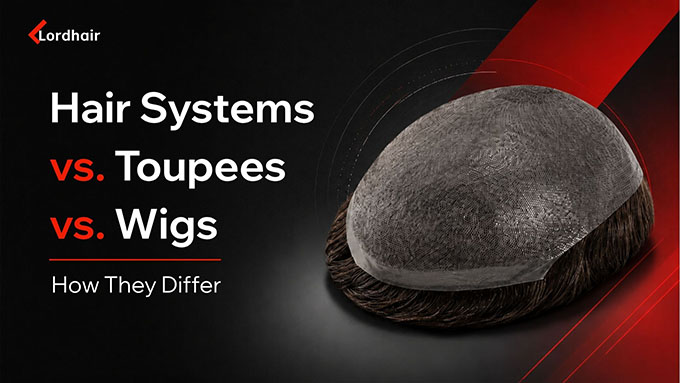
The name sounds technical because the product is. A basic hairpiece just sits on your head. A hair system, however, works with your scalp. The base might be made from thin polyurethane, fine lace, monofilament, or a combination of these. Individual strands are hand-tied into that base with precision.
The result is seamless and secure. You don’t take it on and off casually. It becomes part of your everyday routine. It blends right in with your natural hair and lifestyle.
Hair System vs Wig vs Toupee: The Core Differences
The hair system vs wig vs toupee comparison usually starts with coverage, but that’s only part of it. Yes, they all deal with hair loss, but how they function is very different. A toupee vs wig comparison highlights older use cases, while modern systems change the game entirely. Who wears them, how they attach, and how they feel day to day all matter. Understanding this helps you avoid buying something that looks obvious or feels uncomfortable.
The Traditional Toupee: A Male-Centric Solution
Toupees have historically been designed for men dealing with partial hair loss. This type of hair piece usually covers the crown or top of the head rather than the full scalp. In the classic toupee vs wig breakdown, the toupee is all about targeted coverage. Older versions relied on clips or thick adhesive strips that didn’t look natural. That’s where the bad reputation comes from. Many didn’t blend well with natural side hair and could look separate under bright lighting. While modern versions have improved, the term still carries that outdated image.
Wigs and Full Hair Units: Beyond the Costume Shop
Wigs typically cover the entire scalp and are often linked to medical use, fashion or costumes. A cheap wig might be something you wear once and forget about. But a modern hair unit is built differently. Full scalp non-surgical hair replacement involved custom sizing, careful fitting and strong attachment methods. These units stay in place throughout your daily routine. They don't slide or lift when you move. They’re meant for everyday wear, not occasional use.
What Is the Difference between a Hair System and a Wig?
What Makes a Lordhair Hair System Unique?
To really understand a hair system definition, you have to look at how it’s made. Lordhair focuses on modern non-surgical hair replacement that feels natural and lightweight. These aren’t heavy, outdated pieces. The difference comes from base construction and hair quality. Older designs trapped heat and felt bulky, whereas modern systems are breathable and nearly invisible at the hairline. When applied correctly, they blend right into your skin.
Advanced Base Materials: Lace, Skin and Monofilament
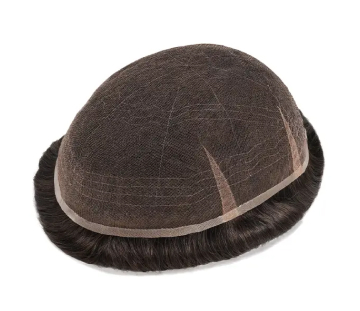
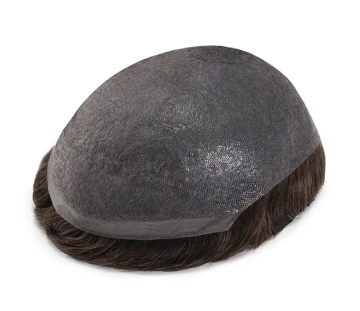
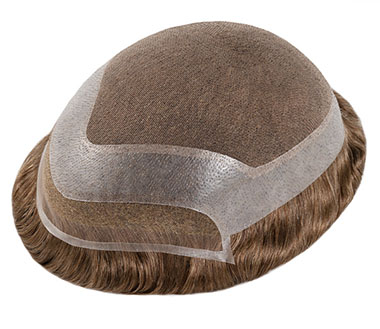
The base of a hair unit plays a huge role in how it looks and feels. Lordhair mainly uses three materials. Lace is lightweight and allows maximum airflow, which helps keep your scalp cool. Polyurethane, often called thin skin, creates a smooth, waterproof surface that bonds closely to the scalp. Monofilament adds durability and structure. Many systems combine these materials for balance, we call these Hybrid Systems. For example, a unit might use lace at the front for a natural hairline and skin at the sides for easier maintenance. This approach gives you both realism and practicality.
Best-selling Lace, Skin and Hybrid Hair Systems
Real Human Hairs vs. Synthetic Fibers
People often ask “what is artificial hair called?” when browsing options online. In most cases, that refers to synthetic fibers. These are man-made and designed to hold their shape, but they can look overly shiny in natural light. Lordhair systems mainly use real human hair instead. That's what gives them a natural move and appearance. If you’re wondering about synthetic hair being used in a Lordhair production setting, it usually applied to specialty fibers used for special effects like grey blending. Outside of that, the focus stays on real hair for authenticity.
Hair System vs Toupee vs Wig vs Hairpiece: Comparison Table
| Term | What It Is | Coverage Area | Typical Use | Modern Reputation & Notes |
| Hair System | A modern, non-surgical replacement made with a thin base and real human hair that blends naturally with existing hair. | Partial (front, crown, or top area) | Men with thinning or partial hair loss who want a realistic, blended look. | Most advanced and natural-looking option; sits flat, moves naturally, and provides instant coverage. |
| Toupee | Traditionally a small hairpiece used to cover thinning spots; older versions were bulky, but modern toupees use updated materials and techniques. | Partial (usually crown or front hairline) | Men with localized thinning or bald spots. | Older toupees had a bad reputation; modern ones look similar to hair systems and are much more natural. |
| Wig | A full-cap piece that covers the entire head, replacing all natural hair. Available in synthetic or human hair. | Full (entire scalp) | Commonly worn by women for fashion or hair loss; men use them mainly for total hair loss or a full style change. | Covers everything, doesn't require blending; easier but less personalized than a hair system for men with partial thinning. |
| Hairpiece | A broad term for any partial hair replacement, including toupees, toppers, and even hair systems. | Partial (front, crown, or any specific area) | General term used for many types of men's and women's hair additions. | An older umbrella word; modern versions that look most natural are typically referred to as hair systems. |
The Shift Toward Non-Surgical Hair Replacement
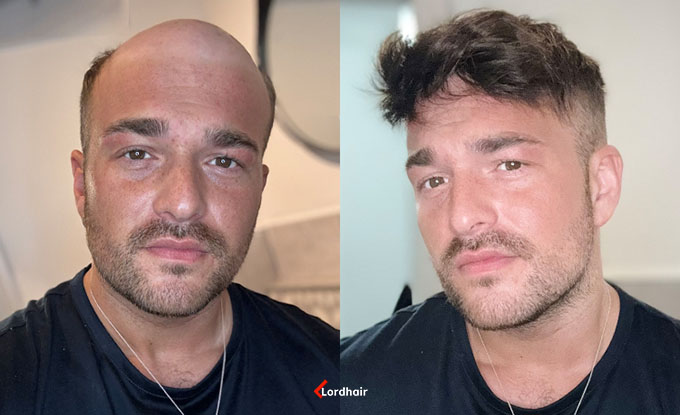
Hair transplants can be expensive and involve medical risks. Recovery time and scarring are also factors to consider. Because of that, more people are turning to non-surgical hair replacement. The results are immediate, and there’s no down time. This shift has also changed how people talk about solutions. The old hair system vs wig vs toupee debate matters less when modern systems offer such realistic results. You can wake up with hair loss and get a full head of hair the same day. For a detailed comparison between hair transplant and hair system, read Hair System vs Hair Transplant: Which is the Best Hair Loss Solution for You?
The Rise of the “Man Weave” and Modern Hair Units
Different terms pop up depending on your culture and location. Take the phrase “man weave”. It’s huge in barbershops right now, and it usually refers to afro hair systems. Still, the core idea is exactly the same, the hair system is attached directly to the scalp. Then, a barber blends it into the natural hair for a clean finish. Call it a man weave, a hair unit or something else entirely.The goal doesn't change; it’s just about getting a seamless, natural look.
Semi-Permanent Attachment: Glue, Tape and Clips
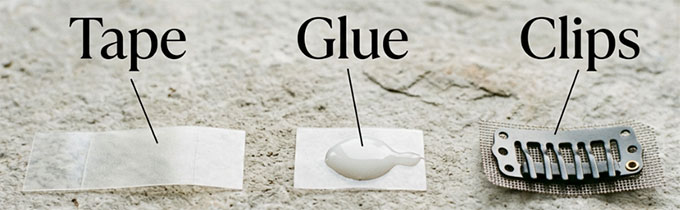
How a hair system attaches makes a big difference in daily life. Older hairpiece designs only used clips and had to be removed at night. Modern systems mostly rely on adhesives such as glue or tape for a semi-permanent hold. These bonds secure the unit to a shaved section of the scalp and can last for weeks. In the hair system vs wig vs toupee comparison, this is a key distinction. Wigs are usually removed daily, while systems stay in place throughout workouts, sleep and showers. Maintenance happens on a schedule rather than every night.
Choosing the Right Lordhair Solution for Your Lifestyle
Now that you understand the hair system definition, the next step is choosing the right one. The best non-surgical hair replacement depends on your routine. Sweat levels, climate and styling habits all matter. Someone who exercises daily will need something different from someone with a more relaxed lifestyle. That’s why there are multiple base types and configurations available.
Breathability vs. Durability: Finding Your Balance
Every hair unit involved a trade-off. Lace bases are extremely breathable. This makes them perfect for active lifestyles or warm climates. Heat and moisture escape easily. The downside? They wear out faster and need careful handling.
Skin bases work differently. They are much easier to maintain. You get a strong bond and a smooth appearance but they are not breathable so can feel warmer and uncomfortable over time. Choosing the right hair system means balancing out comfort with maintenance.
Why Terminology Matters for Your Search
The search for solutions gets frustrating if you don’t know the right terms. Look up what fake hair is called, and you’ll often see low-quality costume options. Search for an older term like toupee, and you might find outdated designs. Learn the difference in the hair system vs wig vs toupee discussion to narrow your options. The right wording points you toward modern, wearable solutions instead of trial-and-errror purchases. It saves time and avoids disappointment. To find a full range of non-surgical hair replacement options, it is best to use the phrase ‘hair systems’.
If you have unanswered questions, contact us today via Online Chat or Email. Our experts will be more than happy to assist you!
 WHATSAPP
 EMAIL
EMAILFAQs
How long does a modern hair system last?
A typical hair unit's lifespan ranges from 1 to 6 months. It depends on the materials. Thinner bases look perfectly natural, but they wear out fast. Thicker options last longer. The trade off? Less realism. How you treat the unit matters too. Consistent non-surgical hair replacement maintenance extends lifespan.
Can you swim or shower with a hair system?
Yes, you can. This is one of the biggest differences in the hair system vs wig vs toupee comparison. Once the adhesive sets, the bond becomes water-resistant. You can shower, swim, and go about your routine normally. Over time, chlorine or saltwater may affect the hair quality, so your hairpiece requires extra care for these activities. To better protect your hair system, read Can You Swim with a Hair System? Ultimate Guide to Keeping It Secure.
Is a hair system the same as a hair patch?
In most cases, yes. A hair patch is just a smaller type of hairpiece designed for limited areas of hair loss. It's another version of what fake hair is called in everyday language. The materials and attachment methods are the same. The only real difference is the size and coverage area.
Can people tell if I wear a hair system?
No. Modern hair systems are designed for an invisible look. People will generally not be able to tell you are wearing one if a quality hair system is properly fitted.
Do Hair Systems Fall off Easily?
No. Hair systems should not fall off easily if they are applied properly. A secure fit depends on the right base, scalp prep, tape or glue choice, and correct attachment.