

Hair Replacement Options: What Will Work Best for You?
- Written by Sarah Rowland
- | Published Dec 27, 2019
- | Updated Jul 24, 2026
- |
- 5 min read
 Listen to the full text
You see it in the mirror. Your hairline is pulling back. Millions of men and women deal with hair loss every year, and yes, it can feel alarming. But there are real hair replacement options out there. Some involve surgery, others rely on medications, and a few give instant cosmetic results. Here’s a clear look at what actually works.
Key Takeaways
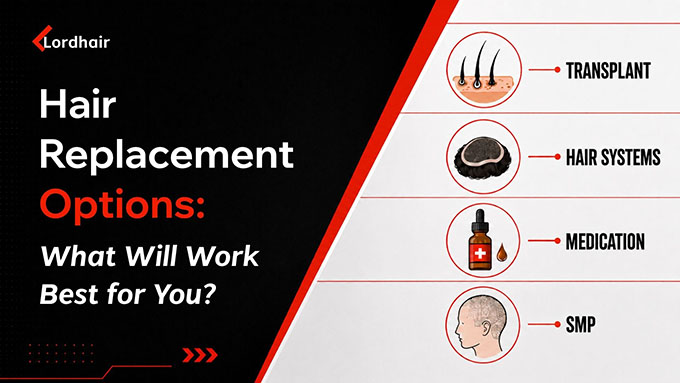
- Hair replacement options range from surgical transplants and medications to scalp micropigmentation and non-surgical hair systems, each with different costs, timelines, risks, and maintenance needs.
- Hair transplants can offer long-term results, but they are expensive, involve recovery time, may leave scarring, and do not prevent future hair loss in untreated areas.
- Medications like minoxidil and finasteride can help slow hair loss or support regrowth, but they require consistent long-term use and may come with side effects.
- Non-surgical hair systems offer an immediate, realistic-looking solution without surgery, downtime, or medication-related risks, making them a practical option for people who want fast visual results.
Understanding Hair Transplants as a Permanent Solution
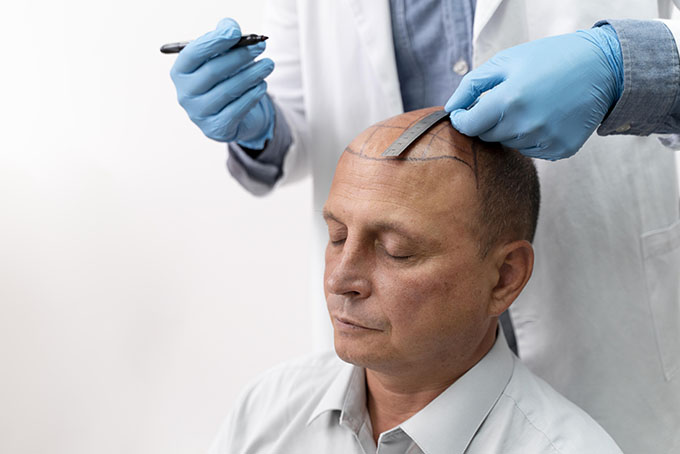
Hair transplants are often the first thing people think about when facing long-term hair loss. It’s a surgical process where doctors take hair-bearing scalp grafts from thicker areas, usually the back or sides, and place them into thinning or bald spots. In simple terms, it moves hair you already have to where it’s needed. The scalp is numbed with local anesthesia, and the procedure can take several hours depending on the area being treated.
The Difference Between FUE and FUT Techniques
There are two main ways surgeons perform hair transplants. FUE, or Follicular Unit Extraction, involves removing small pieces — individual follicles — directly from the scalp one at a time. It leaves tiny dot-like scars. FUT (Follicular Unit Transplantation), on the other hand, involves removing a strip of skin and then separating it into grafts. Both methods aim to fill thinning areas effectively. The real difference is how the grafts are collected. Costs can climb quickly, usually landing between $4,000 and $20,000 depending on the extent of the work.
Potential Side Effects and Recovery of Hair Transplants
Like any surgery, a hair transplant comes with risks. Recovery can take time, and discomfort is common early on. Some people deal with headaches, swelling, or bleeding around the treated area. There’s also the possibility of scalp infections if aftercare isn’t handled properly. Scarring is permanent, even if it’s minimal. And one key point — this doesn’t stop future hair loss in untreated areas, so additional procedures might be needed later.
Non-Surgical Hair Replacement Systems for Men
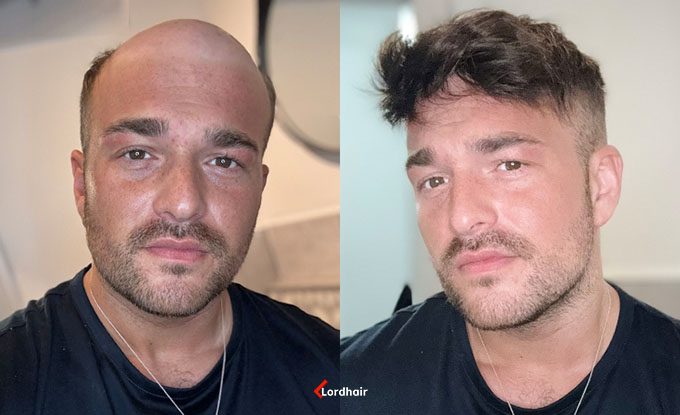
If surgery feels like too much, non-surgical hair replacement treatments offer a much simpler path. A modern hair system, previously known as a toupee or men’s wig, delivers instant results without medical risks or downtime. These non-surgical solutions cover thinning or bald areas and blend naturally with existing hair. They’ve come a long way from traditional wigs with today’s versions looking incredibly realistic.
Why Lordhair Systems Offer a Natural Appearance
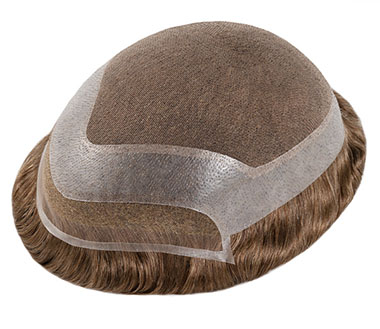
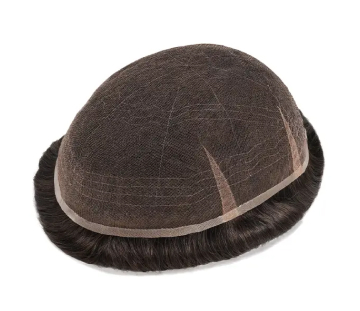
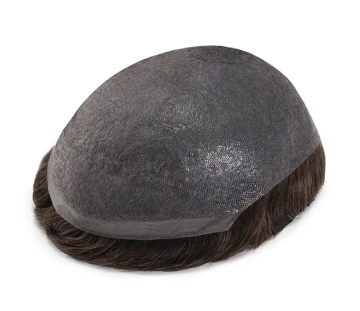
The natural look mostly comes down to materials and design. A high-quality hair system uses real human hair, so it moves and behaves just like your own. The base sits flat against the scalp and can be made from ultra-thin skin, breathable lace, or a mix of both. This helps hide the edges, especially around a thinning hairline. You can attach it with tape, adhesive, or clips. Once it’s on, it’s extremely hard to detect.
Here’s what one of our hair system users said in his video.
Comparing Stock vs. Custom Hair Replacement Products
You’ll usually choose between stock and custom units. Stock hair replacements for men are ready-made and ship quickly, making them a fast solution if you need immediate results. They can mostly meet your needs for daily wear. However, you may need a stylist to cut hair or use Lordhair’s haircut service to make it blend with bio hair for a natural look.
Custom systems take longer but are built specifically for you. You choose the color, density, curl pattern, everything. That level of detail gives a more precise match and means that you should be able to fit the hair system yourself from the box. The trade-off, though, is cost and waiting time, especially since replacements are needed over time.
Lordhair Hair Systems Hot Picks
Pharmaceutical Treatments: Minoxidil for Hair Recovery
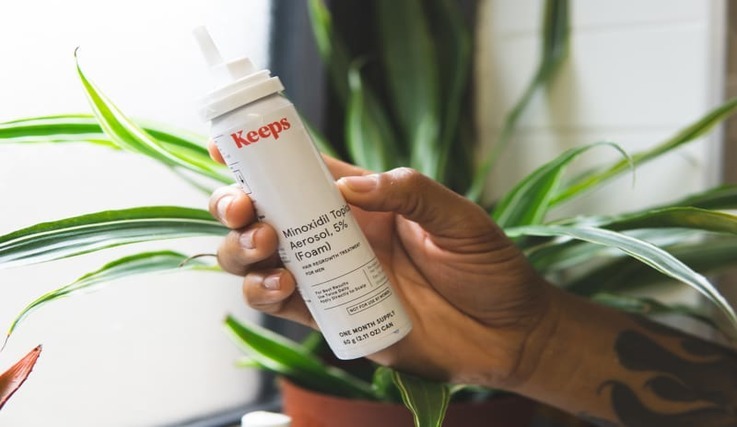
For some people, a daily routine is enough to slow or reverse hair loss. Minoxidil is one of the most widely used medications for this. It’s an over-the-counter hair loss treatment that works by increasing blood flow to the scalp. That extra circulation helps reactivate weak follicles and support new growth. It’s used by both men and women, but results take time—often several months before you notice real change.
How to Apply Topical Minoxidil Effectively
Minoxidil comes in liquid and foam forms. The liquid allows more precise application directly onto the scalp, while the foam is quicker to apply and tends to irritate the skin less. When talking about the best hair replacement methods, consistency is everything here. You need to apply it twice daily without skipping. Miss applications, and progress can fade fast.
Common Side Effects of Minoxidil Use
Even though it’s widely available, minoxidil isn’t risk-free. Some users notice scalp irritation, dryness, or flaking. Because it affects blood vessels, it can also lead to side effects like increased heart rate or chest discomfort in rare cases. Swelling in hands or feet has been reported too. Like many medications tied to hair recovery, it’s recommended that you talk to a professional before starting.
Finasteride: An Internal Approach to Blocking DHT
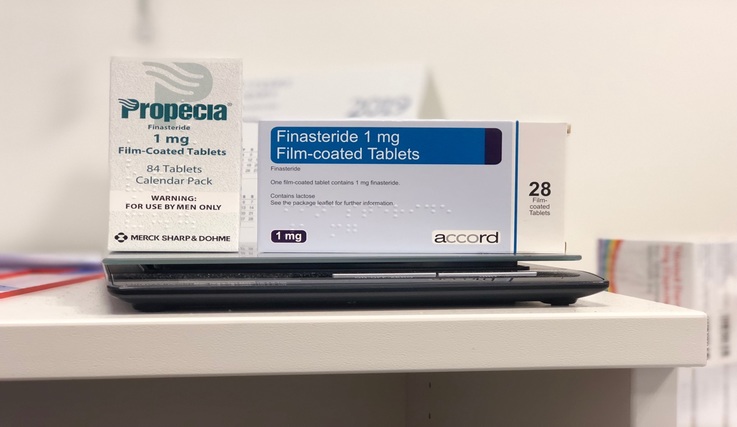
Finasteride works differently because it targets hormones. This prescription medication reduces DHT, the hormone responsible for shrinking hair follicles and driving pattern hair loss. Originally developed for prostate treatment, it became popular once its hair regrowth effects were noticed. By lowering DHT levels, Finasteride helps slow or even stop ongoing shedding.
Expected Timeline for Finasteride Results
Results don’t happen overnight. Finasteride usually takes about three to six months before visible improvements show up. Early on, some men notice increased shedding, which can feel alarming but is often temporary. It’s part of the cycle resetting. This hair loss treatment requires long-term use. If you stop taking it, the benefits gradually disappear.
Important Health Considerations and Side Effects
Because Finasteride affects hormones, it’s not something to take lightly. A proper consultation is essential before starting. Some users report allergic reactions or skin issues, but the bigger concerns are sexual side effects, including reduced libido or erectile issues. Not everyone experiences them, but they’re well documented. Like with all medications, ongoing medical guidance matters.
Scalp Micropigmentation (SMP) for the Illusion of Density
Scalp micropigmentation offers a different kind of solution. Instead of growing hair, it creates the look of it. This technique uses micro-needles to deposit pigment into the scalp, recreating the appearance of closely shaved hair follicles. It’s a non-surgical way to recreate a defined hairline or add density without actual hair growth.
SMP for Thinning Hair and Pattern Baldness
SMP works for both early thinning and complete baldness. If hair is still present, pigment can be added between strands to fill gaps and make hair appear thicker. For those with no hair, it creates a clean, shaved look across the scalp. The effect is sharp and consistent. It’s less invasive than surgery and typically more affordable too.
Risks and Maintenance of Scalp Pigmentation
While generally safe, SMP isn’t completely risk-free. People with sensitive skin or pigment allergies might react poorly. Symptoms can include itching, swelling, or irritation in the treated area. And hygiene matters — a lot. Poorly sterilized equipment can lead to infections. Over time, touch-ups are needed to maintain the look, especially as the pigment fades.
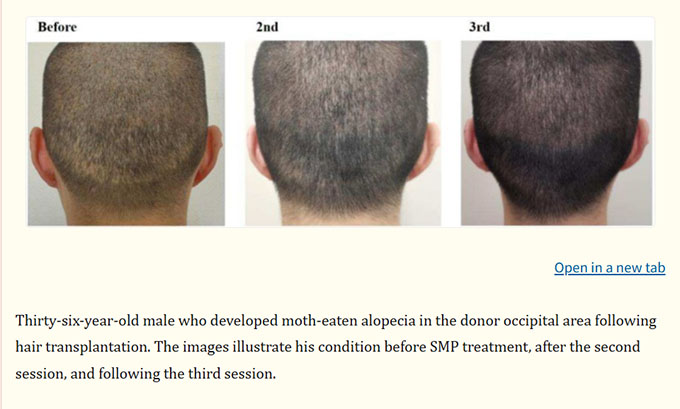
Credit: Scalp Micropigmentation Is an Effective Treatment for Localized Alopecia:
Technical Analysis and a Series of Ten Case Reports
Choosing the Best Hair Replacement Methods for Your Lifestyle
The right choice really depends on your priorities. The best hair replacement methods vary based on budget, time, and comfort with risk. Hair transplants offer a long-term fix but come with cost and recovery. Medications like Minoxidil and Finasteride require patience and consistency. SMP delivers a visual upgrade. And a modern hair system gives instant results without medical involvement. The best solution is the one that fits your lifestyle.
Why a Professional Consultation is Essential
Before starting anything, especially medications or surgery, a consultation is key. A specialist can assess your type of hair loss, scalp condition, and overall health. Many clinics even offer a free consultation, which makes it easier to explore options without commitment. This step helps you avoid wasted time, money, and unnecessary risks.
The Advantages of Lordhair’s Risk-Free Solutions
Medical treatments take time and carry uncertainty. Non-surgical systems skip all of that. Lordhair offers high-quality hair replacement systems for men that deliver immediate results with no downtime. You don’t wait months or deal with side effects. Compared to some competitor services, direct systems often provide better value while maintaining top-tier quality and realism.
Here’s a short video from one of our hair system users.
To explore all the non-surgical hair replacement systems, visit our website. If you need help, book a free consultation with our customer service representatives.

Frequently Asked Questions
What does hair replacement cost?
Costs vary widely depending on the solution. Surgical hair replacement procedures can range from $5,000 to $20,000. Medications like minoxidil or finasteride typically cost $10 to $50 per month. A non-surgical solution like a hair system usually costs a few hundred dollars per unit and can last for 21 - 6 months, depending on the base that is selected and if it is cared for correctly.
How long do hair replacements last?
Hair recovery from transplants is meant to be permanent, though surrounding hair can still thin over time. A hair system is temporary and needs replacement. Most systems last between three and six months depending on materials and care.
What is the best hair replacement method?
There isn’t a one-size-fits-all answer. The best hair replacement depends on personal goals, health, and budget. Some prefer surgical permanence, others want a fast cosmetic fix. The best hair replacement methods are the ones that realistically match your needs and expectations.
Are non-surgical hair replacement systems for men the best option?
They are just one option. You need to consider the look you want, your budget, whether you want surgery or not, and the advantages and disadvantages of each hair replacement option before deciding. Lordhair offers non-surgical hair replacement systems in a wide range of colors, with optional cut and style service and a full library of online tutorials to help you through every step.
I haven't completely ruled out the possibility of a hair transplant in the future, so will wearing a hair system cause any damage to my scalp?
A hair system will not damage your scalp or existing hair, provided the hair system is kept clean and maintained correctly. Your hair system will actually provide your scalp with a degree of protection against the sun and the elements the way our own hair does.
References
- Sharma R, Ranjan A. Follicular Unit Extraction (FUE) Hair Transplant: Curves Ahead. J Maxillofac Oral Surg. 2019 Dec;18(4):509-517. doi: 10.1007/s12663-019-01245-6. Epub 2019 May 28. PMID: 31624428; PMCID: PMC6795649.
- Zito PM, Bistas KG, Patel P, et al. Finasteride. [Updated 2024 Feb 28]. In: StatPearls [Internet]. Treasure Island (FL): StatPearls Publishing; 2026 Jan-.
- Liu Q, Sun M, Zhang J, Zhao H. Scalp Micropigmentation Is an Effective Treatment for Localized Alopecia: Technical Analysis and a Series of Ten Case Reports. J Cosmet Dermatol. 2025 Sep;24(9):e70375. doi: 10.1111/jocd.70375. PMID: 40899372; PMCID: PMC12406178.
- American Hair Loss Association: The Truth About Rogaine (Topical Minoxidil): What You Need to Know Before You Start
- NHS: Common questions about finasteride
- NCOA: Hair Transplants: What Are They and How Do They Work?