Can You Sleep with a Hair System?
- Written by Sarah Rowland
- | Published Jul 20, 2021
- | Updated Oct 19, 2026
- |
- 5 min read
 Listen to the full text
We get asked this question a lot. And the quick answer is yes, you can safely sleep wearing a hair system. For most wearers, keeping a non-surgical hair replacement system attached overnight is far more convenient than removing it and reattaching every day.
However, protecting your hairpiece overnight requires the right approach. There are factors such as the adhesive you choose, making sure your hair is completely dry before bed, using low-friction bedding, and maintaining scalp hygiene that determine how well your hair system performs.
Key Takeaways
- Safe overnight wear relies upon using extended-wear adhesives and keeping your scalp clean beneath the base.
- Never sleep with a damp or wet hair system because moisture weakens adhesives and causes matting.
- Using a low-friction silk or satin pillowcase will really reduce drag, minimize shedding, tangles, and edge lifting.
- Morning restoration requires slow, bottom-up detangling and lightweight hydration kept away from the attachment perimeters.
Is It Safe to Sleep with a Hair System Attached
Sleeping with an attached hair system is completely safe provided the bond remains secure, and your scalp stays healthy. Non-surgical hair systems fit snugly against the scalp, in most cases allowing skin to breathe when properly maintained.
However, continuous overnight wear will require you to consistently monitor your scalp. Sweat, natural sebum, and residual adhesive can accumulate under the base over several days and need to be maintained correctly.
Daily Removal vs Nighttime Wear: Comparing Your Options
Choosing between removing your hairpiece every night or keeping it attached for continuous wear involves balancing daily ease against the longevity of your hair system. Neither option is better than the other, and each one comes with some distinct trade-offs.
Daily Attachment and Removal
Removing your system each night gives your scalp immediate access to fresh air, washing, and nighttime moisturizers. It also eliminates pillow friction whilst you are asleep, therefore extending the lifespan of the delicate hair strands and fine lace edges.
The main drawback of daily wear is the time you need to reinstall your hair system each morning. Peeling back the base every evening, cleaning residual adhesive, and re-anchoring the unit each morning demands a disciplined and careful routine. Although, the more often you do this, the quicker the process will be.
Continuous Extended Wear
Deciding to keep your hair system attached overnight cuts out the daily removal and reattachment ritual. You wake up with your hair already in place, saving you time during busy morning routines.
The main challenge of extended wear is managing nighttime friction and maintaining hygiene between removals. Because the system stays locked to your scalp through sleep, showers, and daily activity, you need to have a strong routine of night care practices and follow a regular maintenance schedule.
Find out more in our Hair System Maintenance Complete Guide.
| Daily removal | Overnight wear | |
| Morning routine | Attach your system every day | Hair is already in place when you wake up |
| Scalp care | Fresh air and a full wash every night | Clean and exfoliate at each removal, every 1–2 weeks |
| Pillow friction | None, since the system is off | Needs a silk or satin pillowcase or beanie |
| Adhesive | Lighter, short-term hold is fine | Extended-wear tape or glue |
| Hair and lace lifespan | Less wear on strands and edges | More wear due to friction during sleep |
| Best for | Wearers who want the gentlest option for their scalp and hair | Wearers who don't want to reinstall every day |
How Nighttime Friction Affects Non-Surgical Hair Systems
Pillow friction is one of the primary causes of premature wear, hair thinning, and edge detachment in slept-in hair systems. As you toss and turn, your head exerts continuous pressure and drag against the pillow surface.
- Accelerated Shedding: Strands are pulled loose from their base knots faster than normal.
- Matting and Tangles: Friction twists the strands together and creates stubborn bedhead knots.
- Edge Lifting: Constant rubbing along the front hairline and temple perimeters can break the adhesive seal.
- Dryness and Frizz: Absorbent cotton fabrics can draw moisture out of human hair strands overnight.
Changing to low-friction bedding, e.g. a silk pillow case, or wearing a smooth head cover, e.g. a silk beanie, lets hair glide effortlessly, eliminating destructive drag while you sleep.
Essential Night Care Practices for Hair System Wearers
Protecting your hair system overnight only needs a few minutes of prep before bed. Adopting these essential habits makes sure your bond remains firm, your scalp stays comfortable, and your hair looks smooth every morning.
Never Sleep with a Wet or Damp Hair System
Making absolutely sure you avoid going to bed with wet or damp hair is very important. When hair strands are wet, their cuticles swell and weaken, which makes them extremely susceptible to severe matting, tangling, and breakage under pillow pressure.
As well as this, trapped moisture beneath the base breaks down liquid glues and adhesive tapes, turning secure bonds into a gummy mess. Lingering dampness against the scalp also creates an ideal environment for bacteria, leading to scalp irritation and unpleasant odors.
Protect Hair Strands with Silk or Satin Bedding
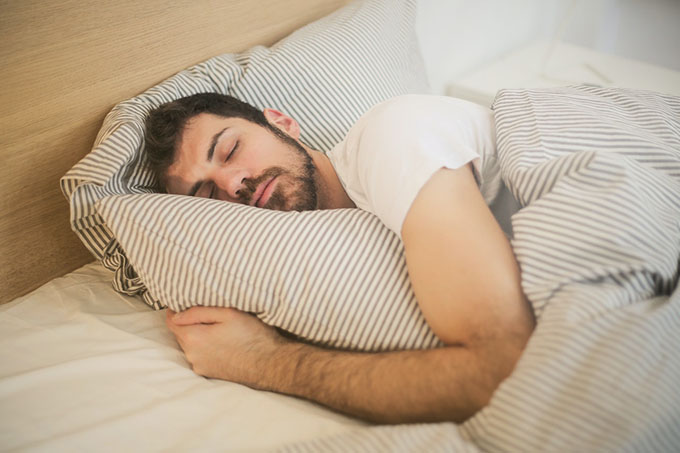
Upgrading to a silk or satin pillowcase is a really easy way to look after your hair system. Silk fibers are smooth and non-absorbent and allow hair strands to move without catching on the material.
Alternatively, you could wear a breathable silk beanie or bonnet to offer complete protection. These will keep strands secured in place and prevent longer styles from twisting or rubbing against sheets overnight.
Inspect and Secure Perimeter Edges Before Bed
Before heading to sleep, spend thirty seconds checking your hairline and perimeter attachment points. If you spot a small area along the front lace or temples beginning to lift then deal with it immediately rather than sleeping on it.
Base Types and Hair Materials: How They Handle Sleep
The physical construction of your hair system significantly influences how it reacts to overnight wear. Polyurethane (thin skin) and lace bases behave differently under sleeping pressure.
Poly (Thin Skin) vs Lace Base Systems
Polyurethane (poly) bases feature a solid, skin-like membrane that creates a very natural scalp look. Thin skin units resist moisture penetration from above, making them easy to clean.
Lace bases (such as French or Swiss lace) are fully mesh-built, offering maximum breathability and scalp ventilation during sleep. Sweat evaporates naturally through the lace mesh, keeping the scalp cool overnight.
For a detailed comparison between different bases, read Lace vs. Skin vs. Mono: Which Hair System Base Is Right for You?
Selecting the Right Adhesives for Secure Overnight Hold
A successful overnight sleep routine also depends on using an adhesive engineered for extended wear. If you match your bonding agent to your base type, skin chemistry, and planned wear duration, this can prevent detachment during mid-sleep.
Extended-Wear Glues and Tapes
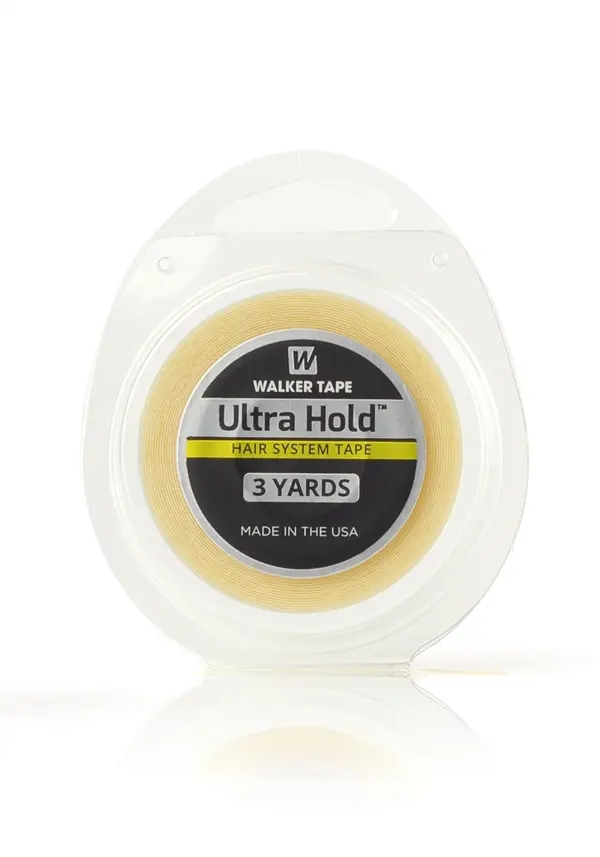
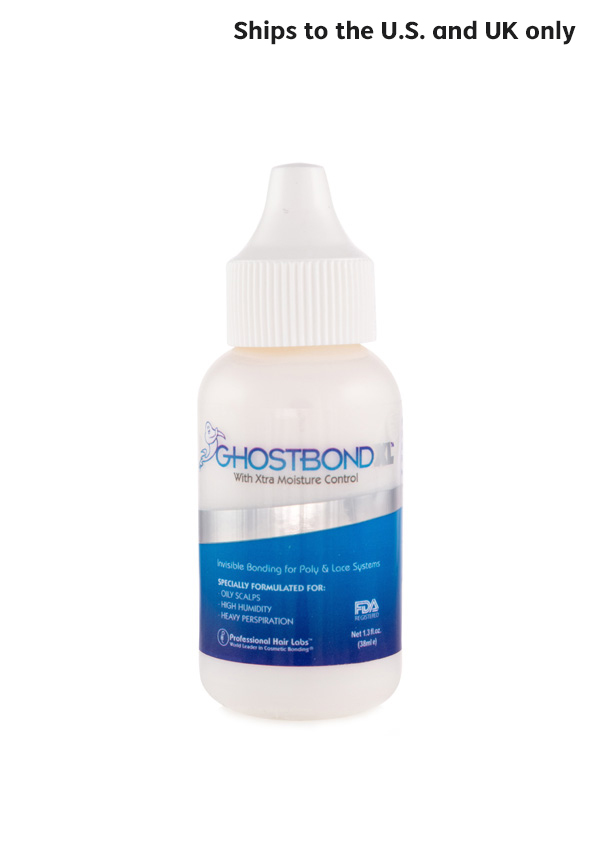
If you are planning to wear your hair system overnight for multiple nights, then professional-grade adhesives are recommended. High-tack tapes (such as Walker Ultra Hold) and liquid glues (such as Ghost Bond) provide secure attachments that can last two to four weeks.
Proper application and curing time are crucial, though. Always make sure you allow liquid glues to cure completely, and avoid heavy sweating or showering your hair for 24 hours after attachment so the bond reaches its full holding strength.
Learn more about different toupee tapes in the Hair System Tape Guide.
Managing Edge Lift and Perimeter Maintenance
Overnight pillow movement will place localized stress on your front hairline. To prevent any edge lifting, ensure the perimeter bond is flat and clean during initial installation.
Frontal lifting? Check out how to fix it.
Morning Routine: Restoring Your Hair System After Sleep
Having a quick morning routine will restore your hair shape and ensure your attachment remains solid for the day ahead.
Gentle Detangling and Bedhead Control
Bedhead is always normal after a night of sleep. To untangle your hair without damaging the base:
- Use a wide-tooth comb or a soft loop brush designed specifically for hair systems.
- Hold the roots near the base with one hand to absorb the pulling tension.
- Start combing gently at the ends of the hair, slowly working your way up to the roots.
- Never yank or pull forcibly through stubborn knots, as this can pull strands straight out of the base.
Hydration and Styling
After detangling, lightly mist your hair with a leave-in conditioner or hydrating spray to restore shine and softness. Always spray products onto mid-lengths and ends, making sure to keep sprays strictly away from the base perimeter.
Finally, inspect your hairline in the mirror to check that all edges remain flush against your scalp before styling as usual.
Long-Term Maintenance and Scalp Health
While sleeping with a hair system attached offers daily convenience, long-term success requires sticking to a structured maintenance cycle.
For most people, it is recommended to remove and clean your hairpiece every two weeks. Over time, degraded adhesive turns into a gummy substance that becomes difficult to clean from both scalp and base.
For detailed instructions on how to care for your hair system, refer to Hair System Maintenance: A Complete Guide.
Enjoy Worry-Free Nights with Your Hair System
Sleeping in your hair system doesn’t have to be complicated or stressful. By investing in extended-wear adhesives, switching to low-friction silk or satin bedding, making sure your hair is bone-dry before bed, and keeping up with a consistent cleaning schedule, you can enjoy all the convenience of waking up ready to go while preserving the lifespan of your unit. Every wearer’s lifestyle and scalp chemistry are unique, so take time to find the routine that feels best for you.
If you ever have questions about finding the right base type, selecting secure adhesives, or fine-tuning your night care regimen, our friendly customer service experts are always here to help guide you every step of the way.

FAQs
Will sleeping in my hair system shorten its lifespan?
It can do if you don’t take proper precautions, mainly due to pillow friction, matting, and adhesive breakdown. However, you can significantly protect your system’s longevity by sleeping on a smooth silk or satin pillowcase (or wearing a silk beanie or bonnet), never sleeping with wet hair, and detangling gently from the tips up every morning.
Can I go to bed if my hair system is still damp after washing?
This is not recommended because moisture weakens the bond of liquid adhesives and tapes, turning them gummy and causing perimeter lifting. Additionally, wet hair cuticles are far more fragile and prone to severe matting, tangling, and breakage under the pressure of your head against the pillow.
What should I do if the front edge begins lifting overnight?
If you notice lifting at the hairline or perimeter before bed or in the morning, address it promptly rather than leaving it to get worse. Clean away any residue or natural oils under the lifted section with a touch of rubbing alcohol, let it dry completely, and apply a small dab of compatible liquid adhesive or a fresh strip of touch-up tape before pressing it firmly back into place.
How often should I take my hair system off if I sleep in it every night?
Even with extended-wear glues or tapes, you should not leave your hair system attached continuously for longer than 1 to 2 weeks. Regularly removing your system allows you to thoroughly wash and exfoliate your scalp, clear away broken-down adhesive, and deeply hydrate the hairpiece to keep both your skin and unit in top condition.