

Hair Shedding vs. Hair Loss: Everything You Need to Know
- Written by Sarah Rowland
- | Published Dec 19, 2020
- | Updated Jul 7, 2026
- |
- 6 min read
 Listen to the full text
Seeing 50 to 100 strands in your brush each day is a normal process. But if that number suddenly jumps, it’s easy to worry. Is it just shedding, or something more permanent like baldness? The difference in hair shedding vs hair loss comes down to a basic biological truth. Shedding is a temporary reset, while hair loss points to structural damage. To make sense of common hair fall causes, you need to understand the scalp’s natural rhythm first.
Key Takeaways
- Identify whether hair loss is temporary shedding or permanent genetic loss so you can choose the right approach.
- Support temporary shedding and prevent breakage with stress control, deep sleep, nutrient correction, lower-heat styling, and gentle oils.
- For permanent or visible hair loss, consider proven medical options like Minoxidil or immediate cosmetic solutions such as hair systems.
Understanding the Hair Growth Cycle and Shedding Phase
Understanding the hair growth cycle starts with knowing the difference between temporary shedding and permanent hair loss. Shedding is often a short-term reset triggered by stress, diet, poor sleep, or nutrient gaps such as Biotin, Vitamin D, and Iron, while permanent hair loss is more often genetic and may require targeted treatments like Minoxidil. It is also important to protect fragile strands from breakage by reducing heat styling and choosing gentle, natural products. For those dealing with visible thinning or baldness, hair systems can offer an immediate, non-medical cosmetic solution. Our Men's Hair Systems Explained: The Complete Guide can help you find out more.
Common Causes of Excessive Hair Shedding in Men
Each strand of hair follows its own internal timeline. This hair growth cycle controls when hair grows, rests, and eventually falls out. Your follicles don’t all act at once — and that’s a good thing. If they did, you’d shed everything at once. Instead, each follicle runs on its own hair cycle, keeping most of your hair in place while only a small percentage enters the shedding phase at any given time. That balance keeps your hair looking full. When this natural process gets disrupted, excessive shedding begins.
The Role of Anagen, Catagen, and Telogen Phases
The hair cycle has three main stages. First is the anagen phase, where hair actively grows for two to six years. Then comes catagen, a short transition period lasting about two weeks, where growth stops and the strand detaches from its blood supply. Finally, there’s the telogen phase. Here, the hair rests in the scalp for around three months before falling out. After it sheds, the follicle resets and starts again. Moving from this resting stage to actual shedding is completely normal.
What is Telogen Effluvium?
Hair shedding is a normal part of everyday life. You often see shed hairs on your pillow, in the shower, or on your clothes. But sometimes, a major shock pushes a large number of follicles into the resting stage at once. That condition is called telogen effluvium. It turns typical shedding into something much heavier. Instead of about 100 hairs a day, you might lose 300 or more. The good news is that telogen effluvium doesn’t permanently damage the follicles. Once the trigger is handled, growth usually returns. The key is figuring out what pushed your follicles into this state in the first place.
Effective Hair Shedding Treatments and Lifestyle Changes
Sudden hair drops rarely happen without a reason though. The main causes of hair shedding usually tie back to physical stress or emotional strain. Your scalp reflects what’s going on inside your body. Looking at the triggers behind excessive hair shedding men deal with can help pinpoint the issue. These range from mental pressure to big dietary changes. Most of the time, they’re temporary, but fixing them still takes effort.
Impact of Stress and Cortisol on Hair Follicles
Stress can hit your hair harder than you’d expect. When pressure builds, your body releases cortisol from the adrenal glands. This hormone interferes with how your follicles function. It pushes hairs out of the growth stage too early and into resting mode. A few months later, shedding ramps up. This is one of the most common hair fall causes today. Stress can also irritate the scalp, making it itchy. More scratching means more strain on already weak roots. Dealing with this isn’t just about relaxing - it’s about lowering the internal stress response that’s disrupting your hair cycle. Read more here about Can Regular Exercise Help Prevent Hair Thinning?

Weight Loss and Nutritional Deficiencies
Rapid dieting can seriously disrupt your hair. Your follicles need steady fuel, otherwise known as protein, iron, and enough calories, in order to keep up with the hair growth cycle. When you cut too much too fast for weight loss, your body shifts resources to vital organs instead of your scalp. That shock shows up as shedding a few months later. Understanding hair shedding vs hair loss matters here. Shedding from diet changes is usually reversible. Once nutrition improves, growth resumes. Still, diet isn’t the only internal factor to consider.
Medical Conditions and Thyroid Imbalance
Health issues can push many hairs into the telogen stage at once. High fevers, surgery, or infections can all trigger sudden shedding. Sometimes the medications used during recovery play a role too. The thyroid is another major factor. If hormone levels are off, your entire hair cycle can get thrown off balance. In some cases, a large portion of scalp hair sheds within weeks. Getting an accurate diagnosis is really important before starting any hair shedding treatments.
Defining Hair Loss: When Shedding Becomes Permanent
Fixing heavy shedding takes a focused approach. Since shedding is usually temporary, the goal is to help your body return to a stable state so the hair growth cycle can continue normally. Good hair shedding treatments focus on restoring internal balance and protecting what you still have. Knowing the line between hair shedding vs hair loss is important here. If lifestyle changes don’t help, you may be dealing with actual hair loss instead.
The Importance of Sleep and Biotin for Follicle Repair
Sleep is when your body does most of its repair work. It’s a normal process that directly supports your follicles. During deep sleep, your body produces proteins needed for strong, healthy hair. Poor sleep cuts into that repair cycle. Aim for consistent rest, reduce caffeine in the afternoon, and avoid late-night drinking. Pair that with Biotin, which supports the hair growth cycle and strengthens follicles. You can get it from foods like eggs, salmon, and seeds, or through supplements recommended by a dermatologist. Internal health sets the foundation — but external care matters too.

Styling with Care: Protecting the Hair Shaft
Rough styling habits can make shedding worse. If your hair is already fragile, high heat will only speed up breakage. Hot tools strip moisture from the hair shaft, leaving it dry and weak. Keep temperatures under 350 degrees fahrenheit (180 degrees celsius) and use protective oils before styling. Heavy gels and sprays can also dry out your scalp and cause snapping. Switching to lighter, natural oils can help maintain softness and shine. Taking care of your hair this way is a natural part of recovery, but it’s very different from treating true hair loss.
Clinical Treatments and Lordhair Solutions for Hair Loss
Shedding is often temporary and may come and go, especially when triggered by stress, illness, diet changes, or hormonal shifts. Hair loss becomes more concerning when hair stops growing back or thinning continues over time. This is often referred to as alopecia, a broad term for hair loss that can involve weakened, inflamed, miniaturized, or damaged follicles. Unlike short-term shedding, longer-lasting hair loss may lead to visible thinning or baldness if left untreated. Spotting the difference early helps you choose the right treatment and improve the chances of regrowth.
Characteristics of Male Pattern Baldness and Thinning
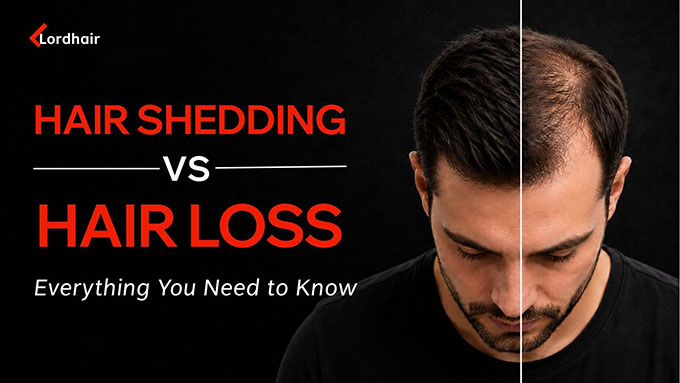
There’s a clear visual difference between shedding and permanent loss. When comparing hair loss vs shedding, look at how the hair thins. Shedding usually spreads evenly across the scalp. Male pattern baldness targets specific areas, like the temples or crown. Over time, those areas expand. You may also see small bald patches or notice the scalp becoming more visible. Sometimes irritation or scaling appears alongside hair loss. A dermatologist can examine your scalp and identify what’s really going on. We talk more about this in our Hair Loss on Temples: Causes, Prevention, and Treatment Options blog.
Genetic Predisposition and Autoimmune Factors
Genetics play a major role in hair loss. Hormonal changes tied to aging can shrink follicles until they stop producing hair. But genes aren’t the only cause. Autoimmune conditions can also attack healthy follicles. Alopecia areata, for example, leads to sudden patchy hair loss. Other conditions, like lupus, can scar the scalp and block regrowth completely. When comparing hair loss vs hair shedding, permanent damage or scarring is a key warning sign. These cases often need medical care or specialized therapy.
What’s the Right Choice to Deal With Hair Fall?
Once hair loss becomes permanent, basic lifestyle fixes won’t be enough. At that point, you need targeted hair loss treatments. Medical options aim to reactivate weakened follicles, while cosmetic solutions focus on restoring appearance right away. Both approaches have pros and limits. The right choice depends on how advanced the loss is and what results you want.
Minoxidil (Rogaine) and Medical Interventions
Minoxidil is one of the most widely used treatments for hair loss. Applied directly to the scalp, it increases blood flow to the follicles, helping them stay active longer. Results usually take a few months to show. Side effects can include irritation, dryness, or unwanted hair growth in other areas. Minoxidil can be used alongside other treatments for hair loss, such as finasteride and laser therapy. These treatments target the hair follicles differently, so they may deliver better results when used together than used alone. Medical treatments should be used based on your conditions. It’s worth discussing it with a professional before starting.
Instant Results with Lordhair Hair Systems
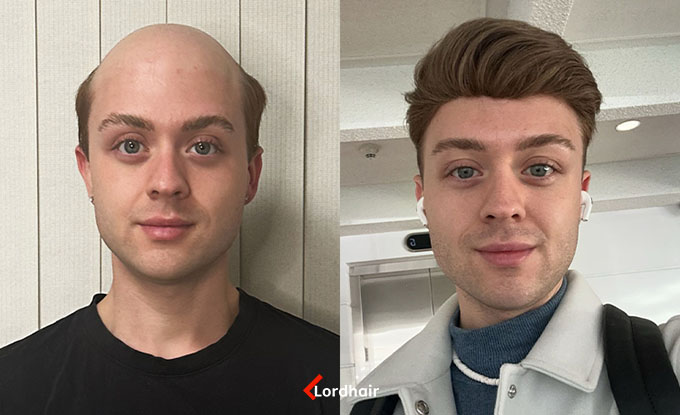
Medical treatments take time and don’t always work for everyone. A Lordhair system offers a faster alternative. These modern hairpieces use real human hair and breathable bases designed for comfort. They’re customized to match your look, giving immediate coverage for baldness. When weighing hair loss vs shedding, this option stands out for instant results without side effects. Instead of waiting months, you see the change right away. It’s a practical solution for those who want immediate improvement, and doesn’t stop you from also trying alternative methods. We have many different hair systems so you can decide which Features of a Hair System will suit your needs the best.
For detailed comparisons between different surgical interventions and hair systems, read our blog posts:
Hair Plugs vs. Hair Transplant: Everything You Need to Know.
Hair System vs Hair Transplant: Which is the Best Hair Loss Solution for You?
Want to chat through your hair system options?
If you need any help and would like to discuss our products to find the best solution for you, then get in touch with our expert consultants.
 WHATSAPP
  EMAIL
EMAIL FAQs
How much hair shedding is normal per day?
Losing 50 to 100 strands a day is completely normal. Each hair follicle runs on its own cycle, so only a small percentage of your hair is in the shedding phase at any time. If you suddenly notice much more than that, like 300 strands or more, it's worth paying attention.
Does shed hair grow back?
In many cases, yes. Shedding caused by stress, illness, crash dieting, or poor sleep doesn't damage the follicle itself. Once the trigger is handled, the follicle resets and starts growing again. Hair lost to genetic balding is different. Those follicles shrink over time and won't recover without treatment.
What is telogen effluvium?
Telogen effluvium is heavy, sudden shedding that happens when a shock to the body — surgery, high fever, rapid weight loss, or intense stress — pushes a large number of follicles into their resting phase at the same time. A few months later, all those hairs fall out together. It looks alarming, but it doesn't permanently damage the follicles, and growth usually returns once the cause is addressed.
How can I tell the difference between shedding and hair loss?
Look at the pattern. Shedding tends to spread evenly across the whole scalp, and the hair usually grows back once the trigger is resolved. Hair loss targets specific areas, most often the temples or crown, and those areas expand over time. If your hairline is moving or your scalp is becoming more visible in one spot, that points to hair loss rather than shedding.
When should I see a doctor about hair shedding?
See a dermatologist if shedding lasts more than a few months, if you notice bald patches, scalp irritation, or scaling, or if thinning is concentrated at your temples or crown. Conditions like thyroid imbalance and alopecia areata need an accurate diagnosis before any treatment will help.
References
Skin and Cancer Associates: How to Keep Your Hair Healthy When You’re Feeling the Pressure
NHS Inform: Alopecia (hair loss)
National Institute of Arthritis and Musculoskeletal and Skin Diseases: Alopecia Areata
Minoxidil: Formulation, Dosage & Side-Effects