


Hair System Tools
Ordering and maintaining a hair system starts with the right tools. This collection covers two needs: matching tools that help you order an accurate color, density, and curl before you buy, and care tools that keep your system clean, styled, and secure day to day. New to hair systems? See our Hair System Tools Guide for a full breakdown of what each tool does and when to use it.

- 1
Hair System Tools FAQs
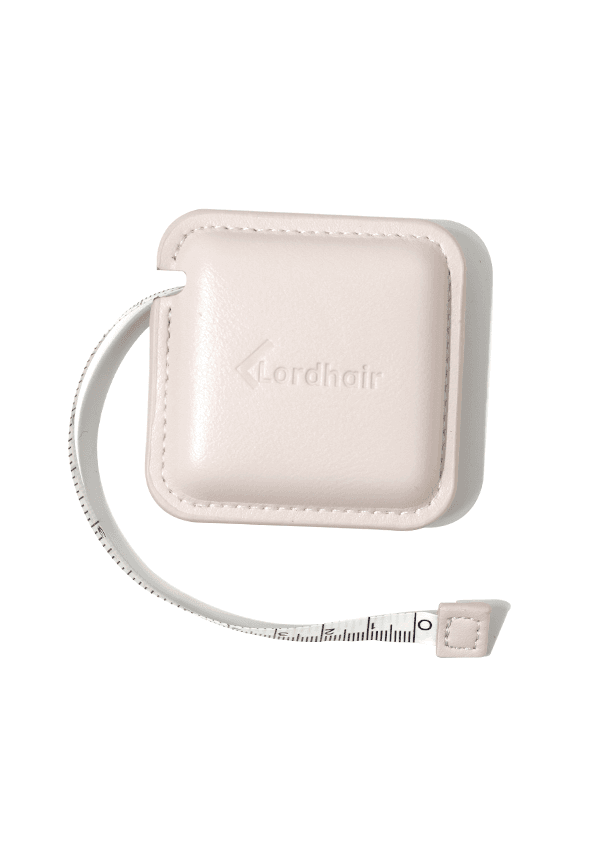
Take four measurements with a soft tape measure or the Lordhair Hair System Edge Pencil template: head circumference, front-to-back length, and ear-to-ear across both the forehead and the top of the head. Record everything in inches and follow the video measurement tutorial for the exact wrap points, since even small measurement errors can cause the base to lift or pucker once the system is made.
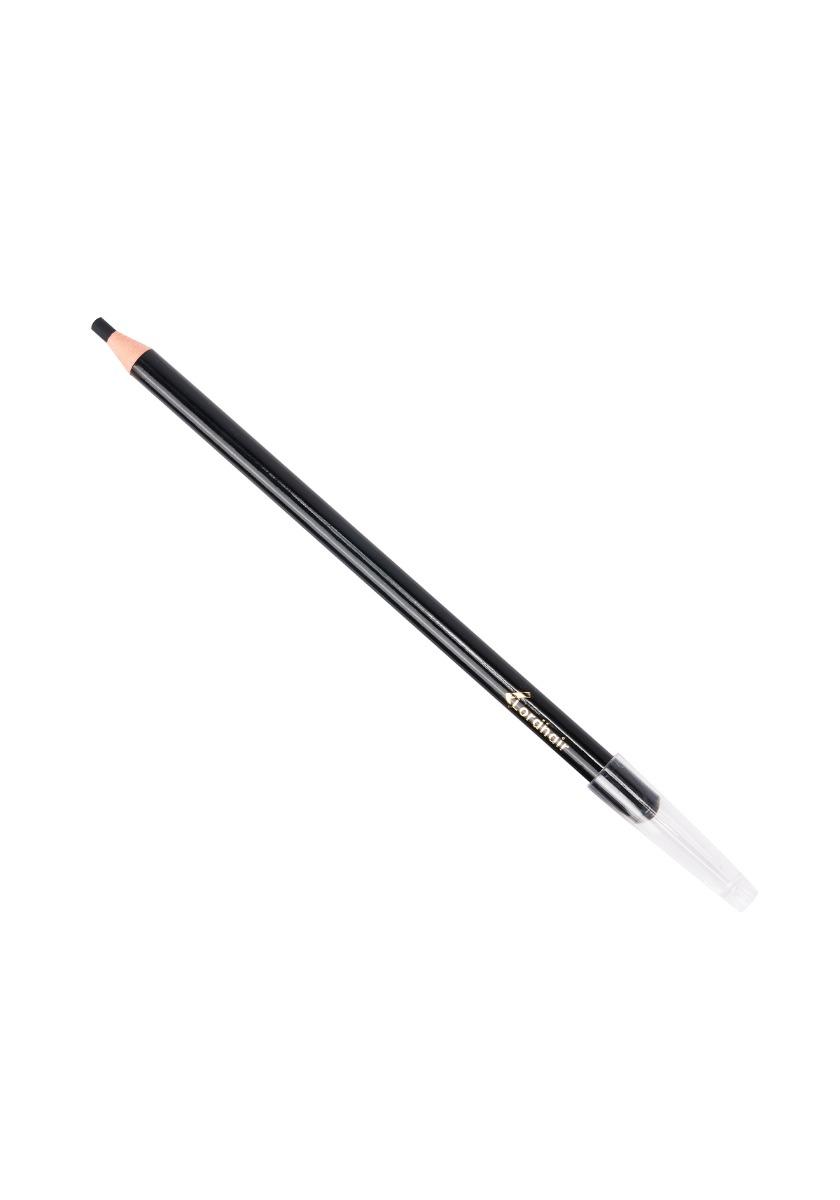
For irregular bald patches or a fully custom fit, tracing your scalp directly with the marking pencil — or sending in a full head template — gives Lordhair's factory a precise pattern to work from, rather than relying on standard measurements alone.
Screens distort hair color — monitor settings, lighting, and photo filters can all shift a shade several tones off from reality, which is why online color guessing is the single biggest cause of an obvious, mismatched hair system. The only reliable way to match your color is against a physical sample under natural daylight.
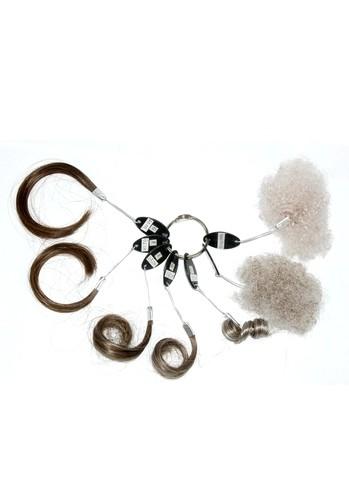
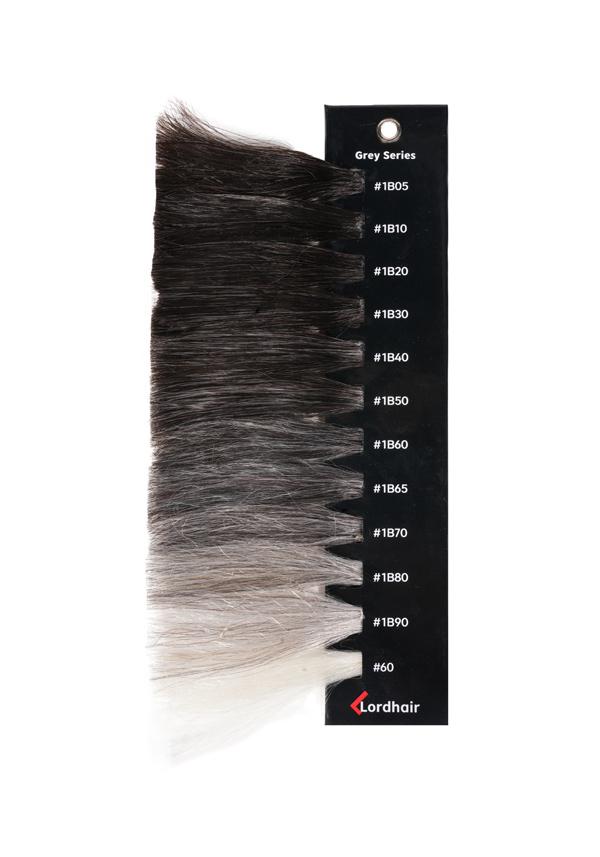
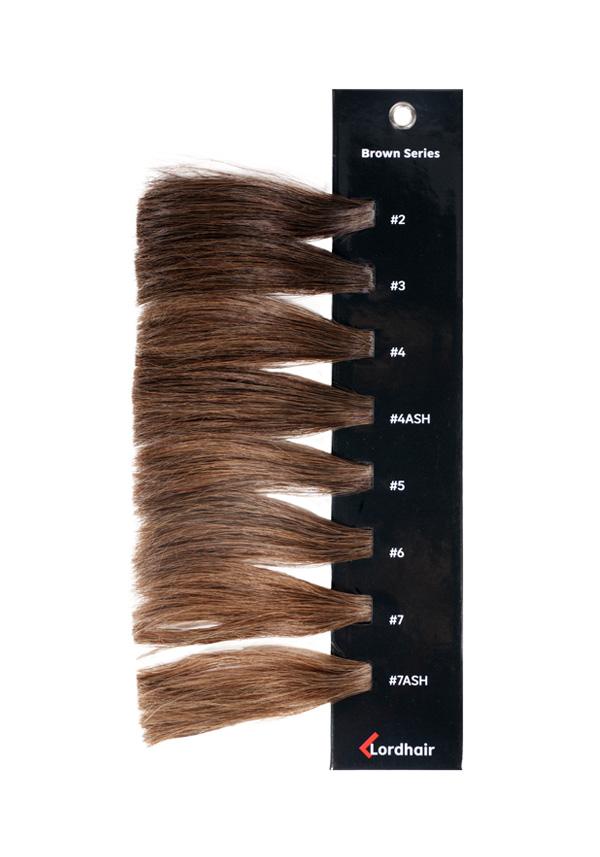
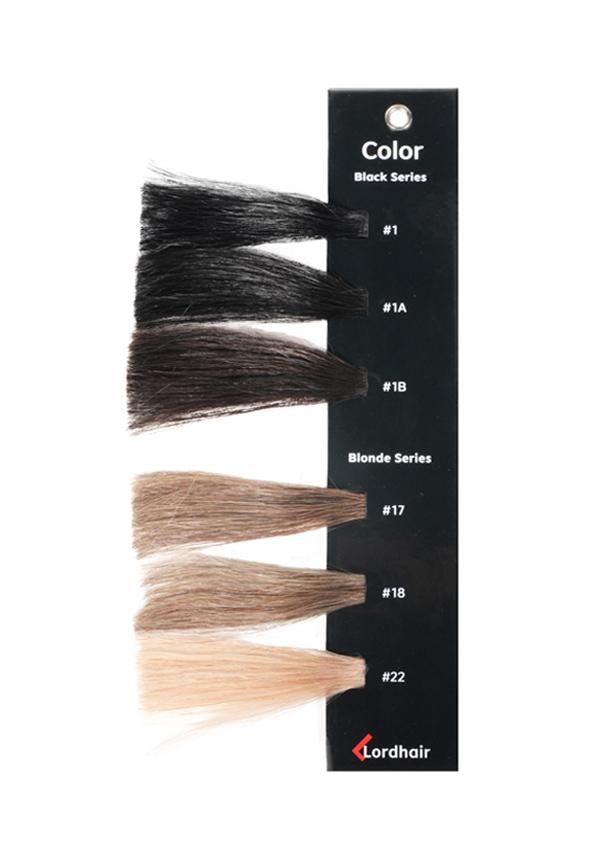
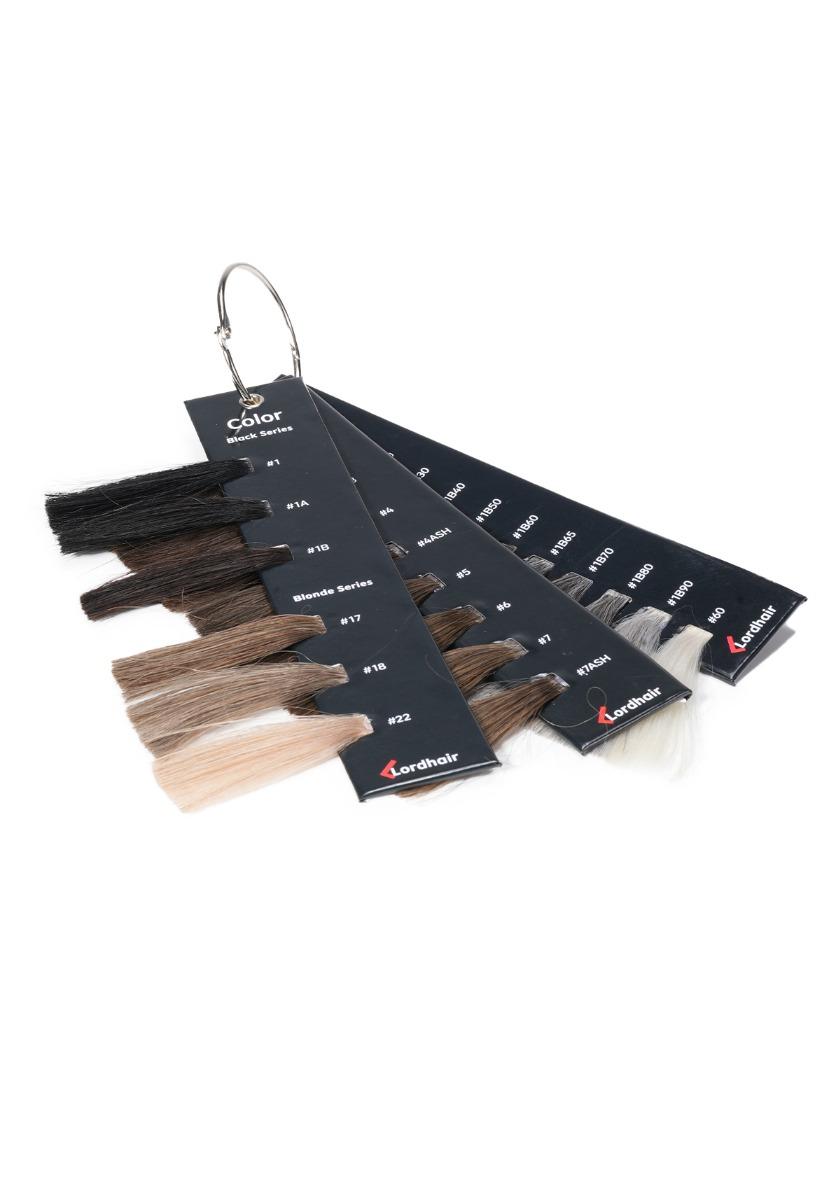
Lordhair's New Stock Color Rings (Grey Series, Brown Series, and Black and Blonde Series) let you hold real hair swatches up next to your own hair at the roots, where your natural color is truest. If your shade falls between two rings, order the lighter of the two — hair systems read slightly darker once cut and styled, so a lighter match blends more naturally over time.
Texture matters just as much as color. Use the Curl & Wave Chart to compare your natural wave pattern or curl tightness against labeled physical samples, rather than relying on descriptions like "wavy" or "curly," which mean different things to different people.
Regular brushes and combs aren't designed for hair systems and can shorten the life of your unit. Standard bristles and rigid plastic teeth are built to glide through hair growing from a scalp — on a hair system, that same friction catches on the knots where each strand is tied into the base, and repeated pulling can loosen or shed hair prematurely.
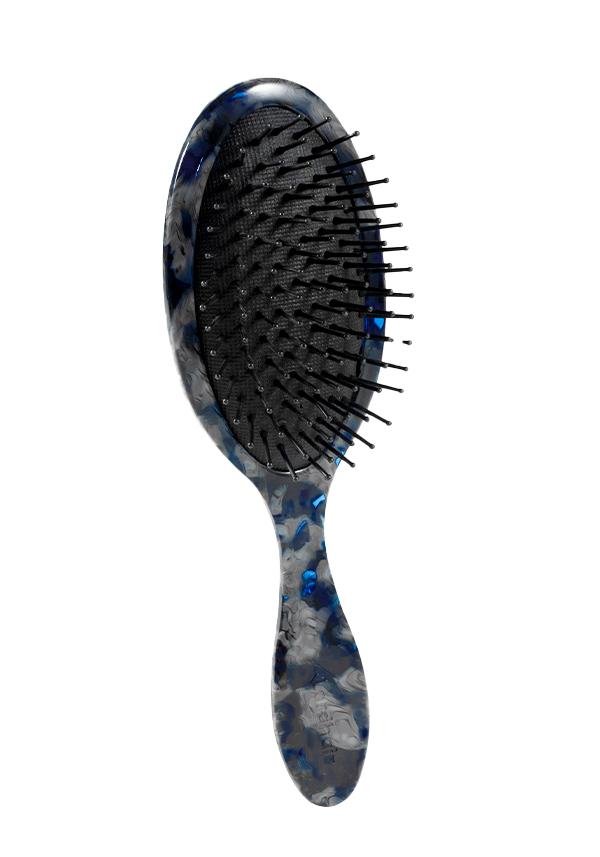
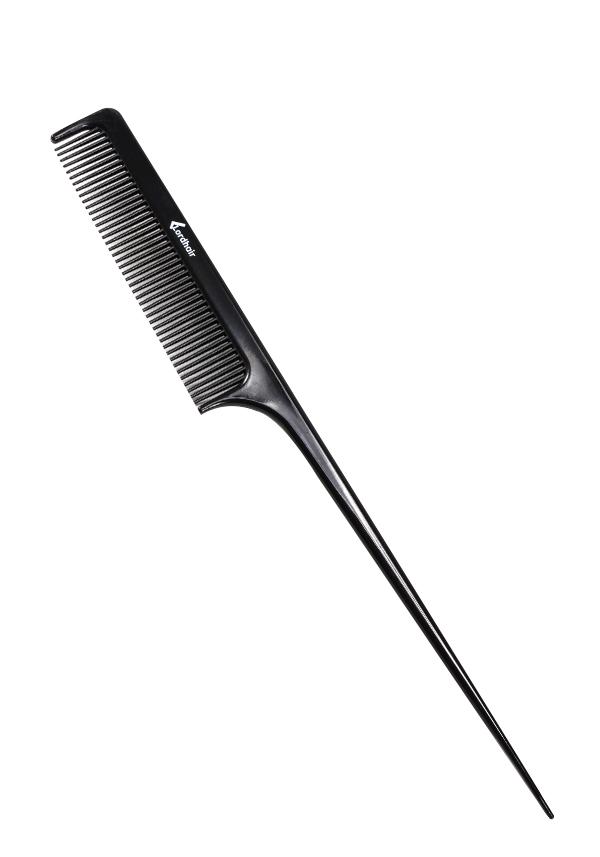
For daily detangling, Lordhair's Paddle Brush for Hair System uses a wider, more flexible bristle spacing that works through knots without stressing the base. For general combing and parting, the Hair System Comb is shaped to move gently along the base material without snagging it.
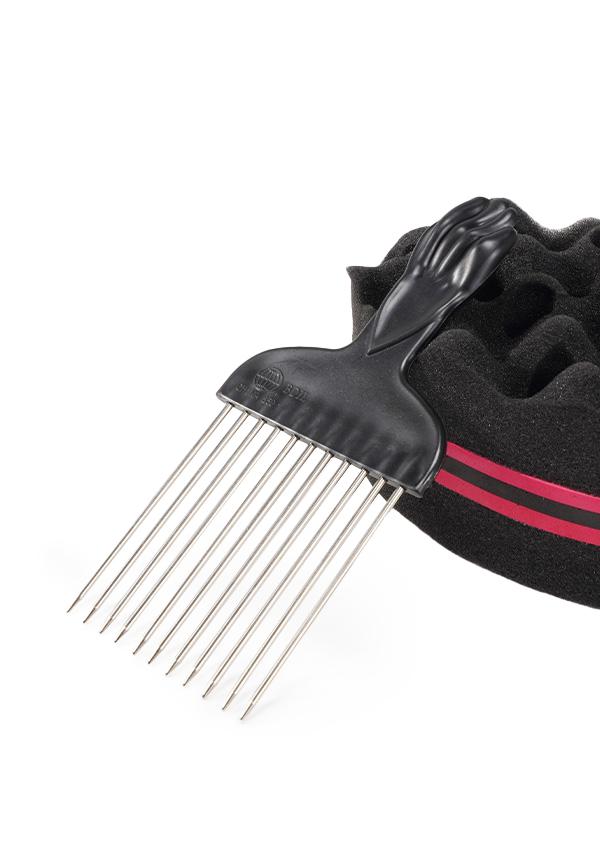
If your unit is textured, curly, or coily, standard tools tend to flatten or stretch the pattern out. The Afro Hair System Comb & Double Sided Hair Twist Sponge Brush is built specifically to redefine coils and add definition without pulling on the knots underneath.
How you store your hair system between wears has a direct effect on how long it lasts. Left folded, crumpled, or flat on a surface, the base can warp out of shape, and the hair can tangle or flatten in ways that are difficult to reverse.
The safest approach is to keep the system on a hairpieces stand or mold that preserves its natural curve, in a cool, dry spot away from direct sunlight and heat. Make sure the system is fully dry before storing it — trapping moisture against the base is one of the most common causes of odor and mildew, and it can also weaken the adhesive bonds over time if any residue is still present.
Adhesive residue needs to be lifted gently, not scrubbed — the base material underneath (whether lace, skin, or a hybrid) is far more delicate than skin and can tear or thin out under repeated friction.
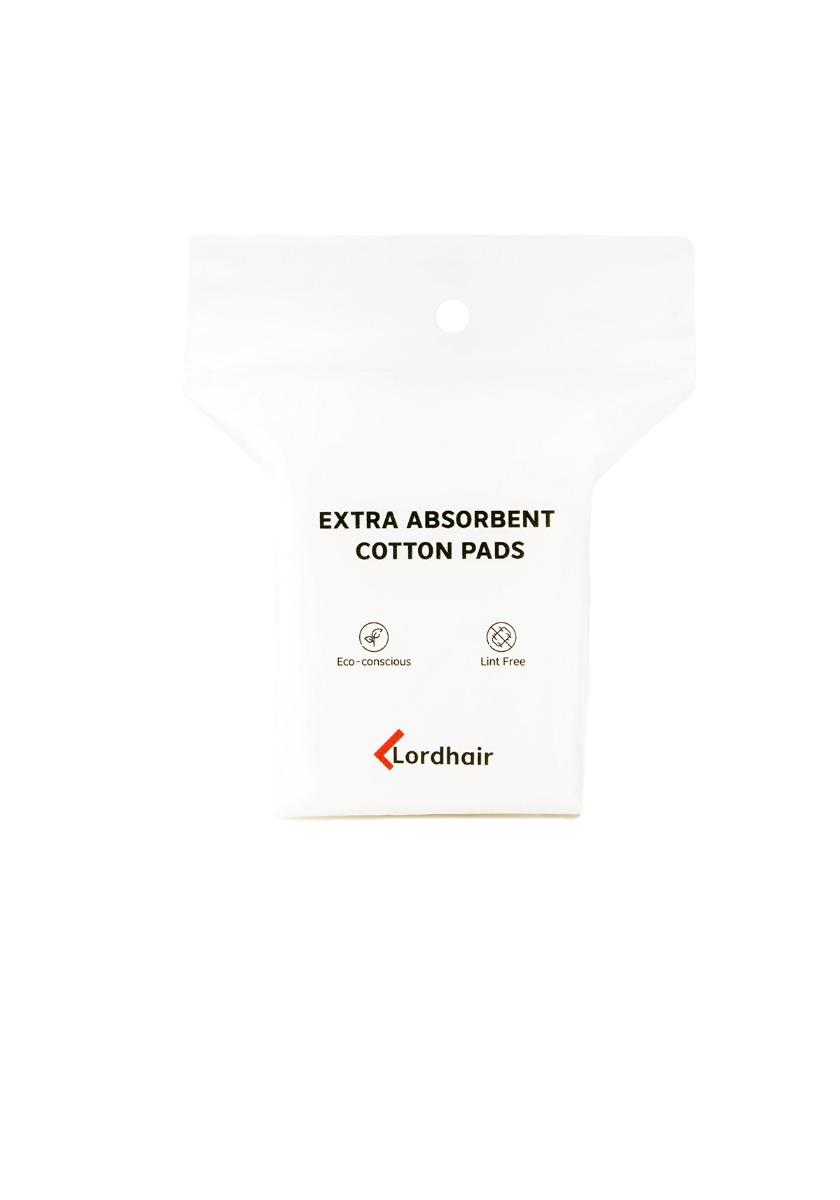
Lordhair's Extra Absorbent Cotton Pads are designed for exactly this: their high absorbency lifts dissolved adhesive cleanly in one or two passes, without leaving behind the loose paper fibers that standard cotton balls or wipes can catch in the knots. Work in small sections, letting the remover sit on the adhesive briefly before wiping, rather than pressing hard to speed things up.