

Microneedling for Hair Loss: Procedure, Risks, and More
- Written by Vivek Khullar
- |
- Reviewed by Demi Griffiths
- | Published Nov 26, 2025
- |
- 4 min read
 Listen to the full text
This article was originally published on May 24, 2024, and updated on November 26, 2025, with the latest information.
While looking for solutions to combat hair loss, you likely stumbled upon microneedling as a potential solution. But the question here is, "Does it truly work wonders on your scalp?" We bet that some of you might even have questions like:
- What exactly goes into a microneedling procedure?
- What are the risks involved?
-
Am I suitable for microneedling?
What is Microneedling?
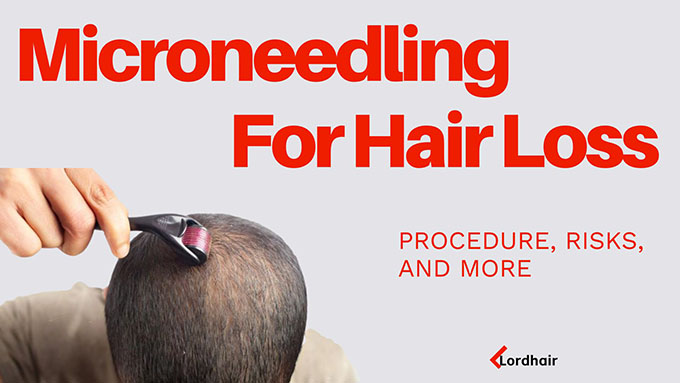
While the term microneedling might sound intense, the truth is that it is a minimally invasive procedure. Okay, think of a tool with tiny, sterilized needles that dermatologists run gently over your scalp to create micro-punctures. That's the essence of microneedling.
Microneedling is like a wake-up call for your scalp. It creates a micro-environment conducive to stimulating dormant follicles (potentially), promoting new strands' growth.
These needles don't pierce deep into the skin. Instead, they target the upper layers. Sounds counterintuitive, right? Don't worry, this controlled injury actually triggers your body's natural healing response. How? Well, that is something to discuss in the next section.
Does Microneedling Work for Hair Loss or Not?
There's no doubt that microneedling has made a name in the battle against hair loss. But the question is, does it actually work? While early studies and anecdotal experiences show promising results when microneeding combines with other therapies, such as topical minoxidil or platelet-rich plasma, further investigations are still needed to determine the safety and efficacy of microneedling as a monotherapy.
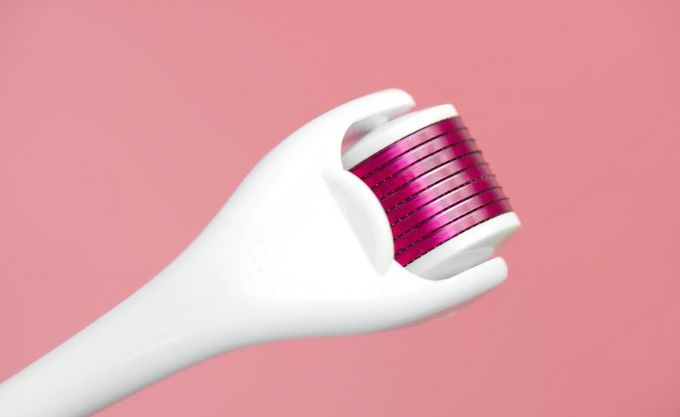
We told you before that how device like dermpane or dermaroller is used for creating micro-wounds on the scalp, right? Well, what we didn't tell you is that it actually triggers your body's natural wound-healing response. This response unleashes a plethora of benefits for strands health:
Improved blood flow: The micro-injuries caused by the roller are like a beacon. Meaning, they attract increased blood flow to the scalp. This vital surge delivers a much-needed boost of oxygen and nutrients to hair follicles. It often leads to thicker, stronger hair growth.
Stem cell activation: According to dermatologists, microneedling taps into our body's reservoir of stem cells. For those who don't know, these reside within our hair follicles. They play a crucial role in hair regeneration and stimulating them may promote healthier strands.
Growth factor powerhouse: Controlled injury caused by microneedling initiates the release of growth factors. Also called chemical messengers, they help in repairing hair. These include powerhouses like platelet-derived growth factor (PDGF), epidermal growth factor (EGF), and vascular endothelial growth factor (VEGF).
Improved topical treatment absorption: Okay, apart from improving blood circulation, microneedling for hair loss also creates tiny channels on the scalp. Although temporary, these improve the absorption of topical hair loss treatments like minoxidil or vitamin serums.
But one has to be cautious. Increased absorption can also lead to a higher concentration of active ingredients entering your system. In simple words, they increase the chances of side effects. It is highly recommended to follow this combined approach only under the supervision of qualified dermatologists!
Now that you know the science behind microneedling for hair loss. The whole process looks promising, but it's also important to know that research is still ongoing.
Now the next question is, "What is the procedure of using a dermaroller to create tiny holes?" Let's discuss that!
What is the Procedure for Microneedling for Hair Growth?
Before we get into what happens during microneedling, here is something important to bear in mind: even though derma rollers and pens are widely sold online, we don't recommend doing it on your own. The process may look simple, but creating controlled injuries on the scalp requires precision, sterile tools, and an understanding of how the skin responds. One wrong move can mean infections, scarring, or uneven results.
Instead of walking you through a do-it-yourself routine, let's see what a professional process actually looks like.
In a dermatologist's office, the session usually starts with an assessment of your scalp to determine the proper needle length and a treatment approach for your case. Next, your provider will thoroughly clean your scalp, apply numbing cream if necessary, and then use a medical-grade dermaroller or dermapen to create tiny, controlled micro-channels across the thinning areas. They go in a strategic pattern, not too shallow, not too deep, so as to stimulate healing without damaging the skin.
In between the passes, everything is sterilized. After the session, your scalp is cleaned again, and your provider may apply topical products that benefit from the increased absorption that microneedling offers.
While microneedling devices may be easy to purchase, the technique isn't. When done by trained hands, the treatment is safer, more consistent, and far more likely to give you the results you are hoping for.
Are There Risks in Using Microneedling for Hair Growth?
Yes, microneedling does show promise for hair regrowth. But that doesn't mean it is without risks as with any procedure that creates wounds:
Infection: Remember we told you how this method involves creating tiny punctures in the scalp (open wounds, essentially)? If proper sterilization techniques aren't followed, there is a chance of infection. This is especially concerning if you perform microneedling at home without proper training or medical-grade devices.
Scarring: Aggressive use of microneedling, particularly when needles are too long or with excessive pressure, can lead to scarring. This is a more significant risk if you have a history of keloid scarring.
Bleeding: Although the needles used in microneedling are tiny, there is a possibility of minor bleeding. This can be especially a problem among men and women taking blood-thinning medications.
Allergic reaction: Some people may experience an allergic reaction to the materials used in microneedling devices. We highly recommend discussing any allergies you have with a dermatologist before undergoing this hair recovery procedure.
Sun sensitivity: Yes, you read it right. After microneedling, your scalp may be more sensitive to the sun. Wear sunscreen with SPF 30 or higher when you're outdoors.
Uneven results: Okay, this is another major problem to consider. If not done properly, dermarollers can lead to uneven results. Meaning, some areas of your scalp may respond better than others. You’re likely to face this risk if you perform microneedling at home without professional guidance.
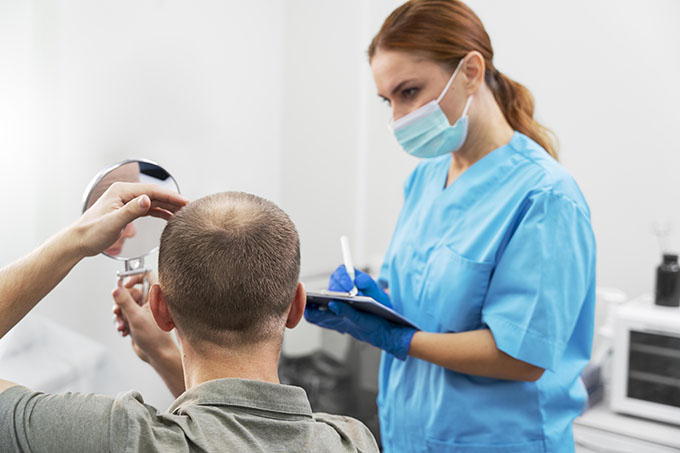
Who is suitable for microneedling for hair loss?
Microneedling can be an option for those who have gradual thinning, though it is not suitable for everyone. The treatment usually helps most when hair loss is in its early or middle stages, when follicles are still active and just need some stimulation to grow again.
If you still have some coverage but your strands are getting finer, you may be a good candidate for microneedling. With a few sessions, some people with androgenetic alopecia (pattern baldness) see positive changes. It can also work along with topical products such as minoxidil, since the micro-channels left by needles can help those formulas sink in more effectively.
Still, it's not for every scalp. You should avoid microneedling if you have the following conditions:
-
Active scalp infections, eczema, or psoriasis
-
A tendency to form keloid or hypertrophic scars
-
Blood-clotting problems or taking anticoagulant medication
-
Recent scalp surgery or unhealed wounds
-
Advanced hair loss where follicles are no longer functioning
Overall, if your scalp is healthy and you are dealing with mild to moderate thinning, microneedling can be a good addition to a general hair-recovery routine. A short visit with a dermatologist can confirm whether this approach makes sense for your situation.
Knowing where you stand helps you move forward with a plan and with realistic expectations.
Microneedling for Hair Loss: Final Words
So, is microneedling the right move for your hair? It's a powerful tool, but it works best as part of a bigger plan. The most important step is to talk with a dermatologist who can help you match treatments to your specific situation. They will help you figure out the right way to reach your goals and get your confidence back.
If you are struggling with ongoing hair loss or thinning areas that no longer respond to treatments, hair systems can offer reliable coverage and a natural appearance. They are a great way to regain fullness while exploring or combining other options like microneedling. If you want to know more about hair systems, feel free to reach out. Our team is always ready to help you find a solution that fits you best.
References
1. Fertig RM, Gamret AC, Cervantes J, Tosti A. Microneedling for the treatment of hair loss? J Eur Acad Dermatol Venereol. 2018 Apr;32(4):564-569. doi: 10.1111/jdv.14722. Epub 2017 Dec 21. PMID: 29194786.
2. Gupta AK, Quinlan EM, Venkataraman M, Bamimore MA. Microneedling for Hair Loss. J Cosmet Dermatol. 2022 Jan;21(1):108-117. doi: 10.1111/jocd.14525. Epub 2021 Oct 29. PMID: 34714971.
3. Jia L, Xiong J, Guo R, Li Y, Jiang H. A Comprehensive Review of Microneedling as a Potential Treatment Option for Androgenetic Alopecia. Aesthetic Plast Surg. 2022 Dec;46(6):2979-2994. doi: 10.1007/s00266-022-03042-y. Epub 2022 Aug 5. PMID: 35930041.
FAQs
Does microneedling hurt?
You may feel mild discomfort or a tingling sensation during the procedure, but it shouldn't be very painful. Professionals often use a numbing cream to make the session more comfortable.
How long does it take to see results from microneedling?
On average, visible improvement appears within 3 to 6 months, while full results take up to 9 to 12 months. Consistency and scalp health both play a big role in results.
How much is microneedling for hair loss?
A single microneedling session for hair loss costs between $200 and $700. It can vary between different locations, providers, and specific treatment plans. The total cost will depend on the number of sessions needed. Treatment combined with other methods like PRP (Platelet-Rich Plasma) can cause additional costs.
Is microneedling safe to do at home?
You can, but you probably shouldn't. Without proper training, it's easy to mess up and could lead to an infection or even scars. This is one of those things best left to the pros.
What should I do after a microneedling session?
Keep the scalp clean, avoid sun exposure, and skip harsh shampoos or styling products for a couple of days. Let your scalp recover naturally before resuming your usual routine.

demi-griffiths
Read moreDemi Griffiths is a fully qualified and registered Trichologist. She has had intense training through Trichocare Education and qualified, achieving the Level 4 ITECH Certificate in Trichology, in March 2019. Her qualification is from the only accredited Trichology course in the UK.
Demi is a member of The World Trichology Society, WTS. This organisation is for qualified Trichologists ensuring the best practice and service is delivered to all patients. All WTS members are bound by a strict code of ethical conduct.
Demi has over 20 year experience in the field of hair & is also an ambassador for Kollo Health collagen.
She has won multiple awards & has been published in Aesthetics journal magazine amongst others.
Demi specialises in hair loss, diagnsing & treating all types of conditions. She is passionate about bringing the most trusted & clinically proven treatments to her patients, & ensuring that individuals receive the correct advice, information & help.
Publications
- Treating Eyebrow and Eyelash Loss - Aesthetics Journal Magazine · Jan 1, 2024
- My menopause Centre
- Concept hair magazine
Honors & awards
- Hair Loss Clinic Of The Year - Issued by English Beauty Industry Awards · Oct 2023
- Hair Loss Clinic Of The Year - Issued by Central England Prestige Awards · Jan 2022
- Entrereneur of the year - Issued by British Hair & Beauty Awards · Jan 2021
- Trichocare Development Award - Issued by Trichocare Education · Feb 2019
Organizations
- World Trichology Society Member