

Hair Plugs vs. Hair Transplant: Everything You Need to Know
- Written by Sarah Rowland
- | Published Nov 17, 2023
- | Updated May 26, 2026
- |
- 7 min read
 Listen to the full text
Hair plugs vs hair transplant is a common point of confusion, especially if you’re researching ways to fix hair loss. So, what are hair plugs and how do they differ from today’s methods? In short, older hair plugs are not the same as modern procedures, and understanding that gap helps you choose the right path forward.
Key Takeaways
- Hair plugs are an outdated hair restoration technique that used large follicle clusters, often producing an unnatural, "pluggy" appearance — they are not the same as modern hair transplants.
- Today's hair transplant methods (FUE and FUT) work with individual follicular units, producing natural-looking hairlines and significantly better results than the older plug approach.
- Recovery from a modern hair transplant typically takes 7–14 days, with temporary shedding expected before new growth begins.
- Hair transplant costs vary widely and pricing depends on graft count, surgeon experience, and clinic location.
- Non-surgical hair systems are a viable, immediate alternative for those who want to avoid surgery, offering full customization without recovery time.
Understanding the Legacy of Hair Plugs
To get clear on today’s options, it helps to look back at what a hair plug is and the original hair plugs meaning. Hair plugs are actually an early form of hair restoration where surgeons used larger grafts to cover bald areas. These techniques were popular decades ago but are now considered outdated due to their unnatural look and limited precision.
What are Hair Plugs for Men?
Hair plugs involved transplanting groups of hair follicles, which were often in clusters, taken from a donor area on the scalp. These plugs, usually around 4mm in size, were placed into bald spots. The result often looked uneven or “pluggy,” sometimes compared to doll hair. This method didn’t allow for subtle density or soft transitions, which is why it stands out so clearly today.
The Traditional Hair Plug Procedure and Process
The old hair plug procedure was fairly invasive. Surgeons used circular punches to remove chunks of scalp containing multiple follicles, then inserted them into bald areas. This hair plug process often led to noticeable spacing and visible scarring. Healing also took longer, and the final look rarely blended well with existing hair. Over time, as expectations for natural results have grown, it became obvious that better solutions were needed.
The Evolution of Modern Hair Transplant Surgery
Modern techniques replaced the old hair plug transplant approach with far more refined methods. Today’s hair transplant procedure focuses on individual follicular units rather than large grafts. This shift allows surgeons to restore hair in a way that looks natural and grows seamlessly, making older plug methods largely obsolete.
FUE Hair Transplant: The Gold Standard
FUE hair transplant, or Follicular Unit Extraction, is widely seen as the gold standard in hair restoration. Instead of removing large sections, surgeons extract individual follicles directly from the scalp. These are then implanted with precision into thinning or bald areas. The result is a natural hairline and even density. Scarring is minimal, often appearing as tiny dots that are hard to notice. This method works well for people who prefer shorter hairstyles and want a less invasive option with steady, reliable results.
FUT Hair Transplant: Understanding the Strip Method
FUT hair transplant (Follicular Unit Transplantation), also called the strip method, is another modern technique used in hair transplant surgery. Here, a thin strip of scalp is removed from the donor area and then divided into individual follicular units under a microscope. While it does leave a linear scar, it allows surgeons to harvest a large number of grafts in one session. Importantly, FUT is not the same as hair plugs, it’s far more advanced and produces natural-looking outcomes when done correctly.

Key Differences: Hair Plugs vs. Modern Hair Transplant
The difference between hair plugs and hair transplant methods comes down to precision, appearance, and results. Hair plugs have become obsolete because they create unnatural clusters, while modern hair transplant results focus on detail and realism. Today’s procedures mimic natural growth patterns, giving patients a much smoother and more believable look.
Achieving a Natural Hairline with Modern Techniques
Modern hair transplant plugs are nothing like the old plug hair transplant look. Surgeons now place single follicles at the front of the hairline to create a soft, feathered edge. Behind that, they gradually increase density for a full appearance. This layered approach makes it nearly impossible to tell that someone has had work done. It’s a huge leap from the obvious, patchy results of traditional plugs.
Scalp Impact and Hair Plug Removal Options
Older methods often caused significant scarring on the scalp due to large graft extraction. Today, specialists can perform hair plug removal or repair procedures to improve those results. This might involve breaking down old plugs and redistributing follicles using modern techniques. While some scarring may remain, experienced surgeons can greatly improve both appearance and comfort.
| Hair plugs | Modern hair transplant (FUE / FUT) | |
| Status | Outdated | Current standard |
| Technique | Large ~4mm grafts moved in clusters | Individual follicular units extracted and placed |
| Appearance | Uneven, patchy | Natural hairline, blends seamlessly with existing hair |
| Scarring | Significant, visible scarring | Minimal — tiny dots (FUE) or one thin line (FUT) |
| Recovery | Longer, more discomfort | 7–14 days for most people |
| Cost | No longer widely available | $2,600+ (Turkey) to $15,000 (U.S.) |
Recovery Timeline and Post-Operative Care
Recovery has also improved. With modern hair plug treatment approaches and updated hair restoration techniques, most people heal within 7 to 14 days. The scalp may feel tender at first, but downtime is relatively short compared to older procedures.
What to Expect After a Hair Plug Transplant
If you’re getting hair plugs—though today this usually means a modern transplant—you can expect mild swelling and redness in the first 48 hours. Small scabs form around each graft and fall off within about a week. Some temporary hair loss, known as shedding, is normal before new growth begins. This phase can feel discouraging, but it’s part of the cycle.
Managing Side Effects: From Itching to Shock Loss
After hair plugs surgery or a modern transplant, common side effects include itching, numbness, and mild discomfort in the scalp. Shock loss, where surrounding hair temporarily falls out, can also happen. It usually resolves as new hair grows in over the following months. Proper aftercare and following your clinic’s guidance make a big difference in recovery.
The True Cost of Hair Restoration
The cost to get hair plugs, or a modern transplant, varies widely. In the U.S., prices typically range from $4,000 to $15,000 depending on the number of grafts. According to data from Statista, the cost for hair transplant in the USA in 2020 and 2021 is around $13610. While in Turkey, it just costs about $2,676. That’s why some people travel abroad for lower prices, but quality and safety should always be the highest priority.
Factors Influencing Hair Transplant Pricing
Several factors affect pricing, including the number of grafts needed, the surgeon’s experience, and the clinic’s location. A hair plug for men dealing with advanced baldness will usually require more grafts, increasing the cost. Hair plugs surgery pricing also reflects the level of customization and the technology used during the procedure.
Is the Investment Worth the Results?
For many, the long-term hair transplant results make the investment worthwhile. Unlike temporary treatments, a successful procedure offers lasting hair restoration. Still, it’s not the only option. Some people prefer less invasive or more flexible solutions depending on their needs and budget.
Non-Surgical Alternatives: Lordhair Hair Systems
If surgery feels like too big a step, hair transplant alternatives like hair systems offer another route. These modern hair implants are non-surgical, instantly effective, and customizable. They provide full coverage without the risks or recovery time linked to procedures.
Why Choose Lordhair for Instant Results?
Lordhair offers high-quality systems and our approach to hair plug treatment without surgery focuses on convenience and immediate transformation. There’s no waiting months for growth, you walk away with visible results the same day as fitting. For many, that simplicity is hard to beat. You can also read our Hair System vs Hair Transplant: Which is the Best Hair Loss Solution for You? blog.
Customization and Breathability: The Lordhair Advantage
Today’s systems use lightweight, breathable bases and real human hair to create a natural look and feel. They’re designed to match your color, density, and style preferences. Options are available for hair plugs for men and anyone looking for a flexible, non-invasive solution that still delivers realistic results.
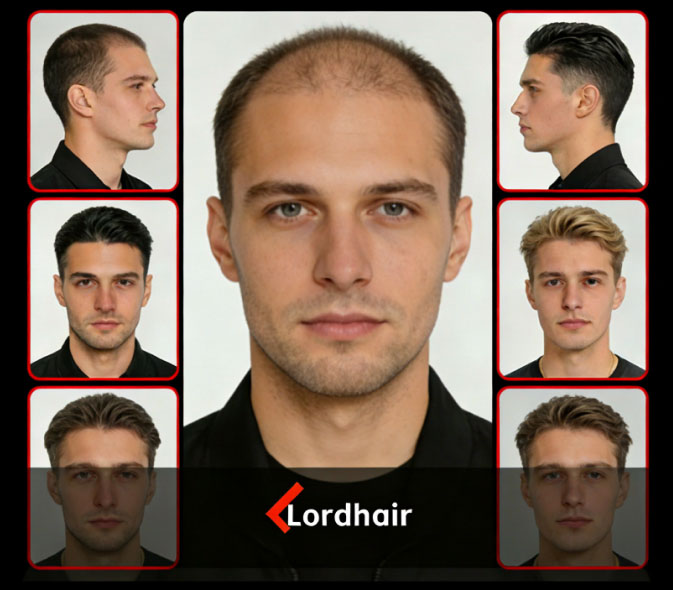
Not sure what you look like with a hair system? Lordhair AI try-on gives you an instant preview.
FAQs
Are hair plugs outdated now?
Yes, hair plugs are considered outdated. Hair plugs today usually refer to older techniques that used large grafts. Modern transplants have replaced them with more precise and natural-looking methods.
How do hair plugs work for men vs. women?
If you’re wondering how do hair plugs work for men, the biology is the same as for women—follicles are moved from one part of the scalp to another. The main difference is in hairline design. Hair plugs women receive are shaped to match natural female patterns.
Are hair plugs the same as a hair transplant?
Not exactly. Hair plugs vs transplant comparisons show that plugs are an older type of transplant. Hair plugs for men today often refer to outdated methods, while modern transplants use advanced techniques for better results.
Can non-surgical alternatives give a great look?
Yes, absolutely! Lordhair has a wide range of hair systems, hair colors, and styles that focus on immediate non-invasive transformation that will suit your everyday requirements. Take a look at our website Lordhair.com to find out more.
References
NCOA (National Council on Aging): Hair Transplants: What Are They and How Do They Work?
Statista: Total cost of a hair transplant in select countries worldwide in 2020 and 2021