

Highlights and Lowlights: A Complete Guide to Dimensional Hair Color
- Written by Sarah Rowland
- | Published Jul 11, 2024
- | Updated May 7, 2026
- |
- 4 min read
 Listen to the full text
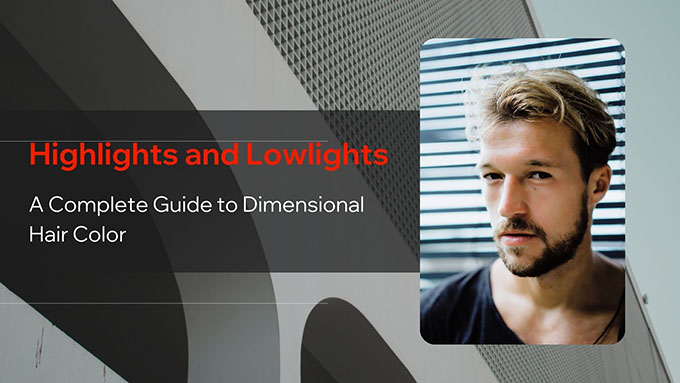
Highlights and lowlights are a fantastic way to enhance the natural hair color of men's hair, not just ladies. They allow you to blend in colors that are lighter and/or darker than your existing hair color, adding a subtle, multi-tonal dimension, making your hair look more vibrant and natural rather than one single color. Done well, they can make your hair look fashionable, more interesting, and can offer the illusion of thicker hair. For natural hair, they offer a low-maintenance look with less noticeable regrowth lines.
Key Takeaways
- Highlights and lowlights add a natural-looking dimension without a full color change. Highlights brighten and add movement, while lowlights create depth and richness, working together for a balanced, modern finish.
- The best results come from customizing color to your base shade and hair type. Brunettes, blondes, and those with thin hair all benefit from different tones and placement strategies that enhance fullness, softness, and contrast.
- Professional application makes dimensional color look seamless and flattering. A stylist can tailor tone and placement to your features and avoid common DIY issues like brassiness, harsh contrast, and uneven results.
- Human hair systems can be customized with highlights and lowlights for a more natural, dimensional look, but they should be colored by an experienced professional to protect hair quality and ensure realistic results.
Understanding the Basics
Highlights are strands colored lighter than your natural base, mimicking the sun-kissed effect of hair naturally lightened over time. They brighten the face, add texture, make fine hair appear fuller, and create a fresh, youthful finish.
Lowlights work in the opposite direction. They're sections colored darker than your base or existing highlights. They add shadow, contrast, and richness to hair that might otherwise look flat or one-dimensional. Lowlights are particularly useful for balancing overly bright highlights, creating the appearance of thicker hair, and giving color a more natural finish.
When combined, these techniques create a layered, realistic appearance that looks healthy and modern. The highlights bring brightness while the lowlights provide depth, resulting in balanced, dimensional color that moves and catches light naturally.
Choosing Colors for Your Base Shade
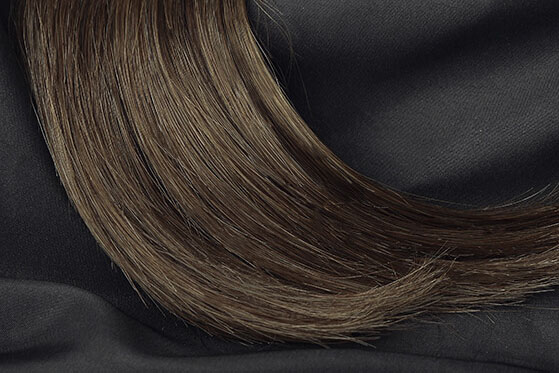
For dark brown hair with highlights and lowlights
Dark brown hair with highlights and lowlights can look especially striking because the contrast creates richness and visual interest. The key is staying within a few shades of your natural base when adding highlights, which keeps results soft and flattering rather than harsh.
Great highlight choices for dark brown hair:
- Caramel & honey: A popular choice that provides a creamy and rich contrast against dark brown hair
- Copper or auburn: Adds a vibrant look that adds intensity and is great for autumn.
Complementary lowlight options:
- Chocolate/Dark Chocolate: Add depth and richness to ensure that hair doesn’t look too light.
These deeper tones balance brightness and add depth, working particularly well for anyone wanting fuller-looking hair with a natural finish.
For blonde hair highlights and lowlights
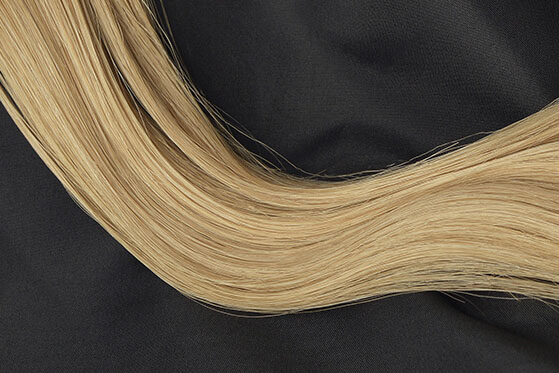
Blonde hair can handle a wider range of highlight shades, but balance remains important. The right combination prevents blonde hair from looking flat, overprocessed, or washed out.
Popular blonde combinations:
- Platinum and white blonde: Really popular for a bold, modern look, often styled with a buzzcut or messy texture
- Ash blonde and light brown lowlights: Ideal for a muted modern look that isn’t too bright.
- Golden/Honey Highlights: Ideal for lighter brown or darker blonde hair, creating a natural, sun-kissed effect, ideal for a relaxed, surfer style
One of the most requested looks currently is blonde hair with blonde highlights and brown lowlights. This creates a soft contrast that feels natural and sophisticated, with the blonde tones maintaining brightness while brown lowlights add grounding and dimension. Brown lowlights can range from light caramel-brown to deeper ash-brown, depending on the base color and skin tone.
This combination works well for people who want a more natural blonde, less brassiness, more contrast without going too dark, or a fuller, multi-dimensional finish.
Seasonal Adjustments
Summer
Lighter highlights mimic the natural effect of sun exposure and make hair feel fresher, and can complement summer skin tone. Common summer choices include golden blonde highlights or teasylights, honey or soft caramel pieces, and brighter face-frame sections.
Winter
When skin appears paler in colder months, slightly deeper tones often look more flattering. This is where lowlights become especially useful because they add richness and prevent color from looking too bright or washed out against winter complexions.
A seasonal adjustment helps your hair stay looking amazing year-round without requiring a dramatic change.
Why Professional Application Matters
Unlike single-process color, highlights and lowlights aren't one-size-fits-all. Placement, tone, and contrast all affect the outcome. A stylist considers your natural base color, skin tone, hair texture and density, maintenance preferences, and the specific look you want to achieve.
Professional application is typically the best way to get seamless results rather than stripey or uneven color.
Common mistakes from at-home attempts:
- Uneven color placement
- Overly warm or brassy tones
- Harsh contrast
- Damage from overprocessing
- Results that don't suit your complexion
A colorist blends tones in ways that look natural and grow out more gracefully over time.
The Thin Hair Advantage
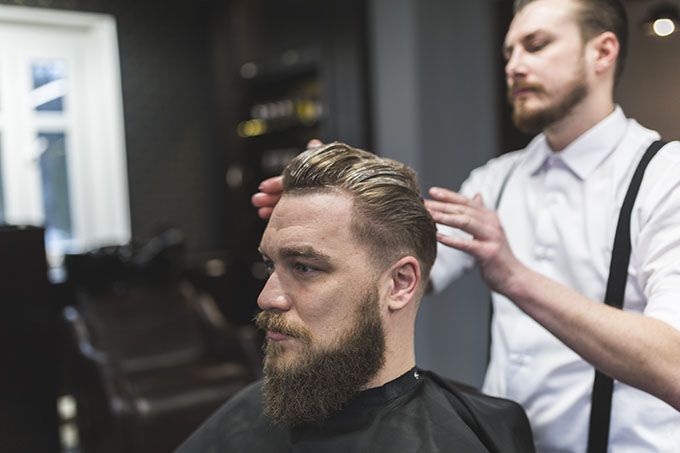
Highlights on thin hair can create the illusion of more volume. When lighter and darker pieces catch light differently, they add texture and visual thickness. Hair with dimension often appears more lifted and less flat.
What works for thin hair:
- Soft face-framing highlights
- Strategically placed lowlights
- Multi-tonal color instead of flat all-over shades
The goal with fine hair is balance. Too many bright highlights can make hair look sparse, while a thoughtful mix of highlights and lowlights creates depth and body. Avoiding overly chunky streaks, choosing blended placement, keeping contrast soft and natural, and using lowlights to add density where needed all contribute to fuller-looking results.
Hair Systems and Color Customization
Highlights and lowlights can be added to hair systems made from 100% human hair. Human hair wigs and systems can often be colored and styled much like natural hair, making customization with added dimension possible.
This offers options for anyone wanting a more realistic finish, customized color depth, a natural-looking blend, or a style matching current trends.
Because hair systems are processed differently than natural growing hair, having coloring done by someone experienced with human hair systems protects hair quality and ensures even, natural-looking results.
Watch how to add highlights to a Lordhair custom-made hair system.
To sum up
Highlights and lowlights remain one of the most effective ways to update your look without committing to a full color transformation. Whether you're exploring options for dark brown hair, trying blonde combinations, or looking for ways to add fullness to thin hair, the right color placement adds depth, brightness, and movement.
Lowlights provide the richness and balance that give color its dimensional quality. When paired with highlights, they create polished results tailored to your hair type, skin tone, and personal style. With professional guidance, you can achieve natural-looking, dimensional hair that feels current, flattering, and distinctly yours.
Got thinning hair and need help choosing a hair color for your hair system? Contact the Lordhair team for free advice.
 TALK TO US
 EMAIL
EMAIL FAQs
Will highlights and lowlights suit my look?
Yes. Highlights and lowlights are a fantastic way to enhance the natural hair color of men's hair, not just ladies. They allow you to blend in colors that are lighter and/or darker than your existing hair color, adding a subtle, multi-tonal dimension, making your hair look more vibrant and natural rather than one single color. Done well, they can make your hair look fashionable, more interesting, and can offer the illusion of thicker hair. So if you want to benefit from a great look, they are definitely worth considering.
Can I have highlights and lowlights in my hair system?
Absolutely! It's actually one of the best ways to make your hair system look natural. Real hair isn't one flat color, so adding highlights or lowlights helps your system blend with your own hair. You can specify this when placing a custom order with Lordhair.
Should I have them applied by a salon specialist?
If you want color added after you receive your system, it's worth finding a stylist who has worked with hair systems before, as the wrong technique can cause damage. If you'd rather keep it simple, just order a Lordhair system with highlights and lowlights already built in — no salon visit needed.
Do highlights and lowlights look good on gray hair?
Having highlights on gray hair can help it appear more lifted and less flat. They create dimension, warmth and a softer, modern appearance, with the illusion of more volume when the lighter and darker pieces catch light differently.
How will I know what colors to choose?
Start by looking at your own hair and noticing where lighter or darker tones naturally show up — usually around the face and temples. Lordhair's color rings let you compare real hair samples, which is far more reliable than picking from a screen. You can also send in a hair sample for the closest possible match, or reach out to the Lordhair team and they'll help you choose.