


Are Toupees a Good Solution for Hair Loss?
- Written by Sarah Rowland
- | Published Apr 8, 2024
- | Updated Aug 18, 2026
- |
- 5 min read
 Listen to the full text
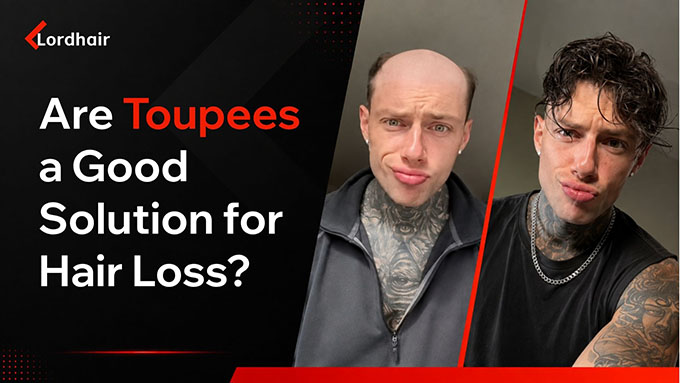
Men losing their hair face a tough choice: shave it off or push back. A toupee used to mean something obvious and unnatural, but that’s changed. Today, a modern hair replacement system is a realistic baldness solution that blends right in with your natural hair. It’s subtle, wearable, and built for daily life. So, do these actually hold up? Let’s get into it.
Key Takeaways
- Choose materials and hair type around your priorities: breathability, durability, realistic appearance, styling flexibility, cost, and maintenance.
- Plan for upkeep and recurring costs, including weekly washing, conditioning, adhesive removal, salon visits, and annual expenses of about $2,000 - $4,000
- Compare hair systems with medical options like minoxidil, finasteride, or transplants, especially if you value instant, non-surgical results.
The Basics of a Modern Hairpiece Mainly Designed for Men
Think about your lifestyle when choosing your base: lace is breathable, poly (polyurethane) or ‘skin’ offers the most realistic scalp appearance. Human hair usually looks more natural and offers better styling flexibility, though it requires more upkeep than synthetic hair. To extend your hairpiece’s lifespan, wash it every two weeks, condition it regularly, and use proper adhesive removers. It’s also important to plan for ongoing costs, as systems, maintenance, and salon visits can run to between $2,000 and $4,000 per year.
How Long Does a Toupee Hair Last?
Male pattern baldness affects over half of men by age 50. To deal with it, you need something targeted. A modern hairpiece mainly designed for men that covers partial baldness isn’t like a full wig. It focuses only on thinning areas or spots you want to cover bald sections. It attaches directly to the scalp where hair is missing. That’s why it looks so convincing. To really get how it works, you need to understand the base.
Understanding the Base: Lace vs Skin
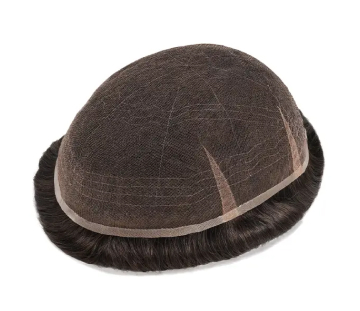
The base is what everything sits on. It rests right against your scalp, so it controls comfort and realism. A lace base uses a fine mesh, making it breathable and great for heat or workouts; however, the glue can get stuck in the tiny holes, so cleaning takes patience and care.
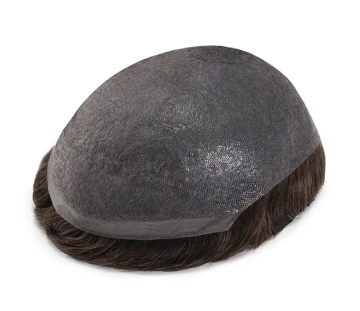
Poly (polyurethane), also called skin bases, hold adhesive well and are easy to clean. If you want something low-maintenance, this is a solid option, though not the best if you work out a lot or live in hot climates, since it isn’t breathable. This skin base, designed to mimic real skin, creates the illusion that hair grows straight from your scalp. It looks incredibly natural, especially along the hairline.
Thicker base materials last longer but lose that invisible finish. So it’s always a trade-off between durability and realism. The right base depends on your lifestyle and how natural you want it to look.
You can read more about base types in our Hair System Features information page.
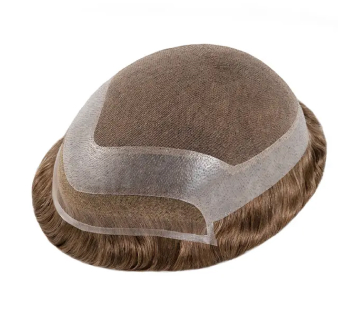
Best Selling Lordhair Lace and Skin Hair Systems
Synthetic Hair vs. Natural Human Hair Systems
What’s attached to the base matters just as much. Most hair systems use either synthetic hair or real human hair. Synthetic hair keeps its style resists humidity, and costs less making it easy, but it can have a slight shine and it really doesn’t handle heat styling well.
Human hair gives the most natural result because you can cut, dye, and style it however you want. This flexibility can make a big difference for blending it with your existing hair. The downside is upkeep. You’ll need good products, regular conditioning, and a bit more effort day to day. Find out more about How Long Do Human Hair Systems Last - Lifespan Insights and Hair System Lifespan: How to Tell When It's Time for a Replacement.
Both options work; however, it depends on how much control and natural look you want versus convenience.
Buying Options and Price Considerations for Hair Systems
Toupee lifespan varies a lot. Some last a month, others close to 6 months. It mainly depends on the base and how well you look after it. An ultra thin skin unit might wear out fast, while a thicker replacement system holds up longer. Your routine also plays a huge role, not just the hair system itself,
But lifespan isn’t just about the product itself. Your routine plays a huge role.
Factors Affecting Hair Replacement Longevity
Your daily habits can make or break your hairpiece. Frequent styling will pull on the strands and weaken the knots in the base. Over time, hair starts shedding. Environmental exposure matters too. Sun, chlorine, and harsh products dry out the hair and damage the structure of the hair replacement unit.
Adhesive breakdown is another issue. Sweat and heat loosen the bond on your scalp, forcing more frequent reattachment. The more often you remove and clean it, the faster wear adds up.
Sticking to a consistent care routine helps a lot. If you ignore lifting edges or buildup, your hair system won’t look as natural and you’ll shorten its lifespan quickly.
Maintenance and Care for Thinning Areas Coverage
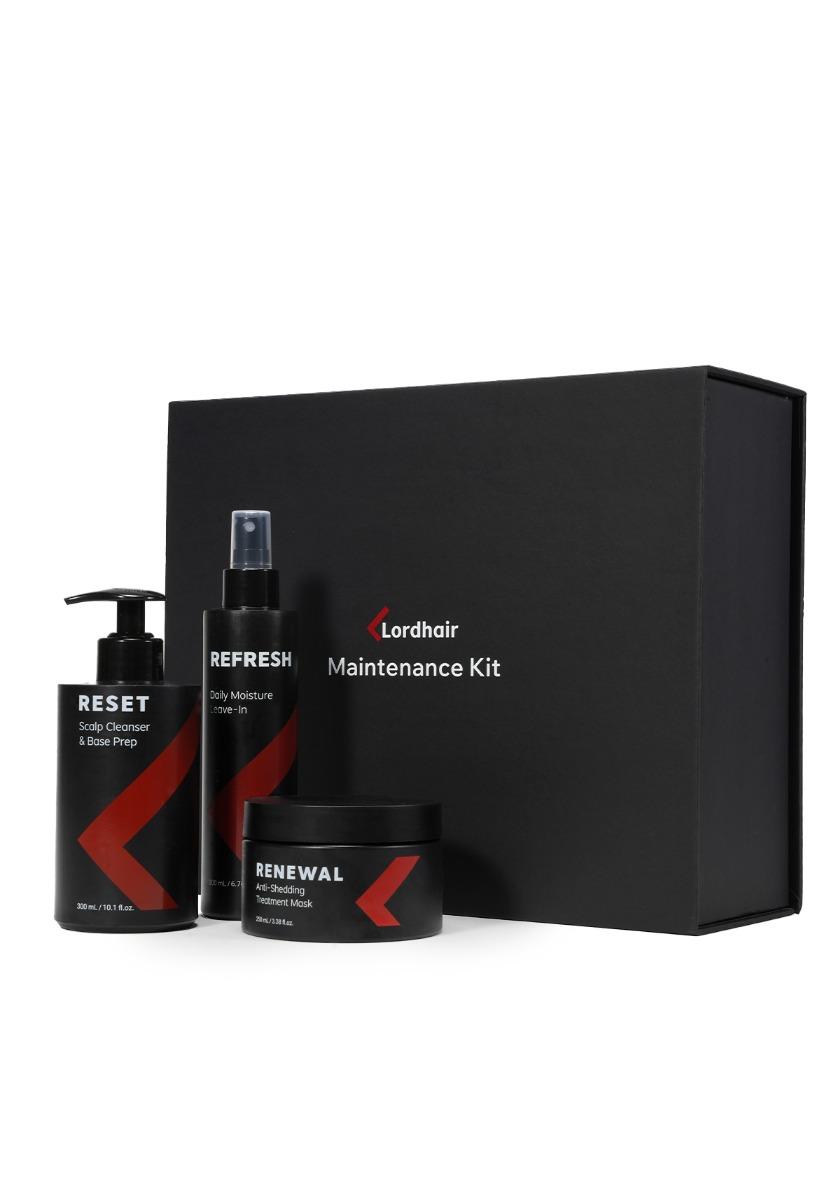
Keeping your system looking good takes consistency. For most people, washing your hairpiece every two weeks will be enough to keep it clean without stripping out the moisture. A deep conditioner applied to the hair will keep the strands soft and manageable.
A leave-in product each morning helps replace oils your scalp would naturally produce. Be gentle when brushing, use a wide-tooth comb and avoid pulling. When cleaning your scalp, use proper adhesive removers, like C-22, so you don’t damage your skin.
With the right care, your unit will blend seamlessly and cover bald spots while matching your thinning areas. Good maintenance also stretches your investment further.
Watch more Maintenance and Care Videos, or read Hair System Maintenance: A Complete Guide for more detailed guidance.
Lordhair 3R Maintenance Collection, Easier Maintenance for Longer Lifespan
Is a Toupee a Good Solution for Hair Loss?
Getting into hair systems means thinking long term. The prices vary depending on materials, craftsmanship, and the brand, and you have the option to buy from a salon or online suppliers. Each comes with different options and levels of customization.
Understanding the real cost helps you decide if this route makes sense compared to surgery or other hair loss treatment paths.
Evaluating the Detail and Quality of Men's Toupees
Quality shows in the small details. Lordhair men's toupees focus on realistic hairlines, breathable base designs, and accurate density. Even knot bleaching plays a role in how natural the unit looks.
A proper men's hairline isn’t perfectly straight. There is a slight recession at the temples. That’s what makes it believable. Brands like Lordhair offer wide catalogs, letting you easily view different styles, base types, and colors.
Better quality means better blending. A poorly made unit stands out immediately, no matter how well it’s styled.
Finding the Best Buying Options for a Hair System
Shopping for a hair system takes time. Start by comparing suppliers and checking real user feedback. Don’t just look at the regular price; look out for bundles, deals, or subscription plans.
Many buyers build a wishlist of different styles before deciding. That helps narrow down the best fit. Strong buying options should include returns or exchanges, just in case.
Custom units take longer but match your exact head shape. Stock units ship faster but may need trimming and blending. Either way, know the full cost before you buy and commit.
Alternatives for Treating Hair Loss Beyond Hairpieces
Choosing a toupee is personal. As a hair loss treatment, it delivers instant visual change without medical steps. In many cases, men’s confidence improves right away. But it’s not effortless. You’re trading speed and flexibility for ongoing upkeep and maintenance.
The Benefits: Instant Results and Non-Surgical Ease
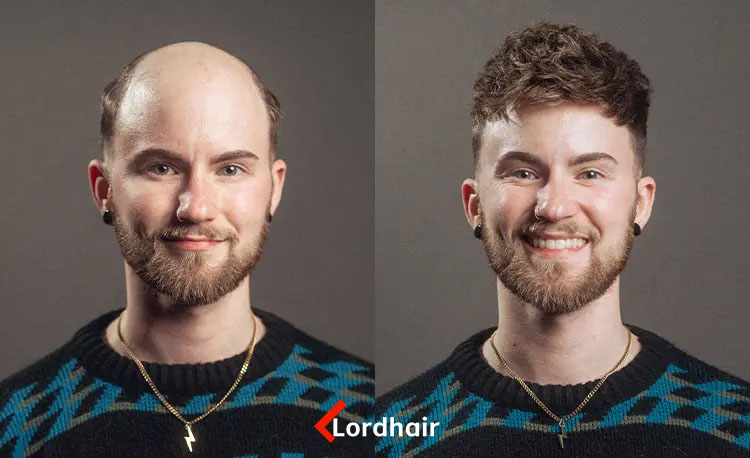
The biggest win is speed. You can go from bald to full hair in a single attachment. No waiting months for regrowth. A modern hair replacement system delivers immediate results.
It’s also non-invasive. No surgery, no scars, no recovery time. It works for nearly any type of hair loss. And it’s reversible. If you don’t like it, you can remove it and go back to your natural look.
That flexibility makes it appealing for many people exploring hair replacement.
The Drawbacks: Ongoing Upkeep and Security Concerns
The downside is the upkeep. Hair systems require ongoing maintenance to keep them looking good. You need some time to learn the skills and get used to the routine. Replacement units, adhesives, hair care products, and possible salon visits can add up to your total cost over time.
There’s also concern about the security. Wind, sweat, or movement can make you worry about the hair system moving, although modern hair systems are very safe to wear once fitted properly. If you have sensitive skin, the base or adhesives may irritate your skin.
These concerns can push some men toward more permanent solutions instead of relying on a men's toupee long-term.
Medical Treatments: Finasteride and Minoxidil
A hairpiece isn’t your only option. If you want something more permanent, medical treatments and procedures offer a different path. These options are designed to slow or reverse loss rather than cover it, though. Most people tend to start with medication before considering surgery.
Finasteride is a daily pill that targets the hormone behind hair loss. It helps stop shedding and can regrow hair in thinning areas. Minoxidil is applied directly to the scalp and boosts blood flow to hair follicles.
Both require consistency. Stop using them, and results fade. They’re effective, especially early on, but they don’t work overnight.
Surgical Solutions: Hair Transplants and Scalp Procedures
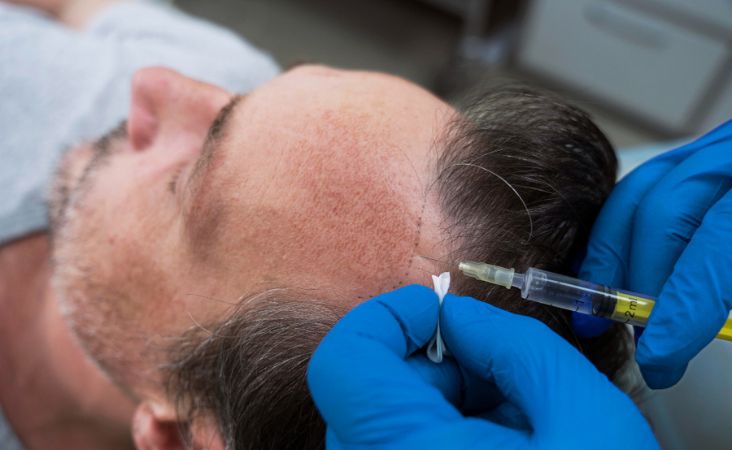
Hair transplants move healthy follicles to areas that need coverage. This is a permanent hair replacement option. Once healed, the hair grows naturally.
More aggressive procedures, like scalp reduction, physically remove bald skin to reduce visible loss. These options cost more upfront but eliminate the need for daily adhesives or adjustments.
For some, surgery makes more sense than maintaining a replacement system long-term.
For a detailed comparison of hair systems with other hair loss solutions, read:
- Hair Replacement Options: What Will Work Best for You?
- Hair System vs Hair Transplant: Which is the Best Hair Loss Solution for You?
- Non-Surgical Hair Replacement: Is a Hair System the Right Solution for Your Hair Loss?
If you want to chat to our expert consultants about hair system options, then get in contact with us or book an online consultation.
 WHATSAPP
  EMAIL
EMAIL FAQs
What is a toupee called now?
A toupee is also called a hair system, hair replacement system, hairpiece, or wig for men. Unlike the old-day toupee, these words highlight that it’s a refined, customized replacement approach rather than a simple cover. Learn about Hair Systems vs. Toupees vs. Wigs: How They Differ.
How much will a toupee cost?
The price depends on quality. A basic synthetic unit might cost less than $100, while a high-end human hair men’s toupee can range from $250 upwards, depending on which system you select and any services that you add on. When you buy, include extras like adhesives and salon services if you won’t be fitting the hair system yourself. Yearly costs usually land between $2,000 and $5,000 without the hair systems.
Can you sleep and shower with a hair system?
Yes, you can. Modern adhesives keep the unit secure on your scalp for extended wear. You can sleep, shower, and even swim. Still, frequent exposure to water and friction shortens lifespan. Lace bases need gentler care than poly ones. Dry carefully and avoid rough handling.
How do I know what option is the best for me?
The best option depends on your type and stage of hair loss, budget, health, expectations, and how much maintenance or permanence you want. Medical treatments are usually best for slowing or preserving hair, hair systems give immediate non-surgical coverage, and hair transplants may suit people with stable hair loss and enough donor hair. A dermatologist or hair-loss specialist can confirm the cause of your hair loss and help you compare realistic results before choosing.


